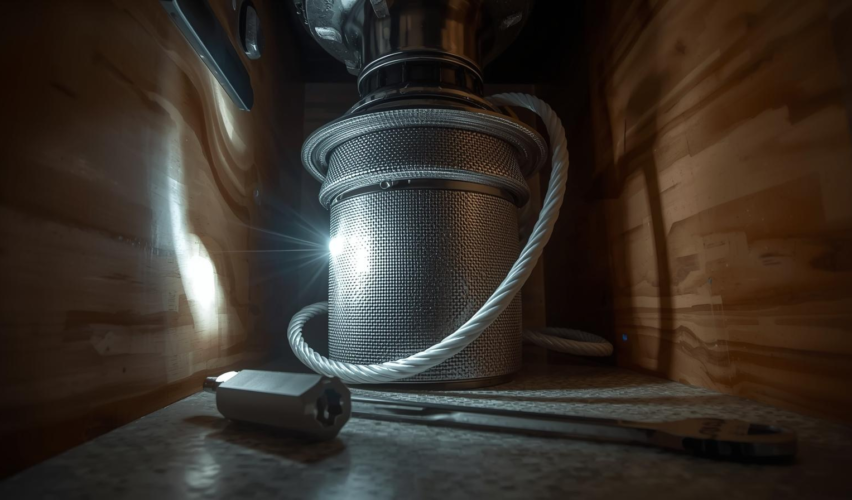
How to Unclog a Garbage Disposal Safely (Without Calling a Plumber First)
Most “clogged” disposals are either (1) jammed at the grinding plate or (2) blocked downstream in the drain/P-trap. The fastest fix depends on what symptoms you’re seeing, and manufacturer instructions are very clear about one thing: cut power first and never put your hand inside the unit (see InSinkErator’s jam-fix safety notes...
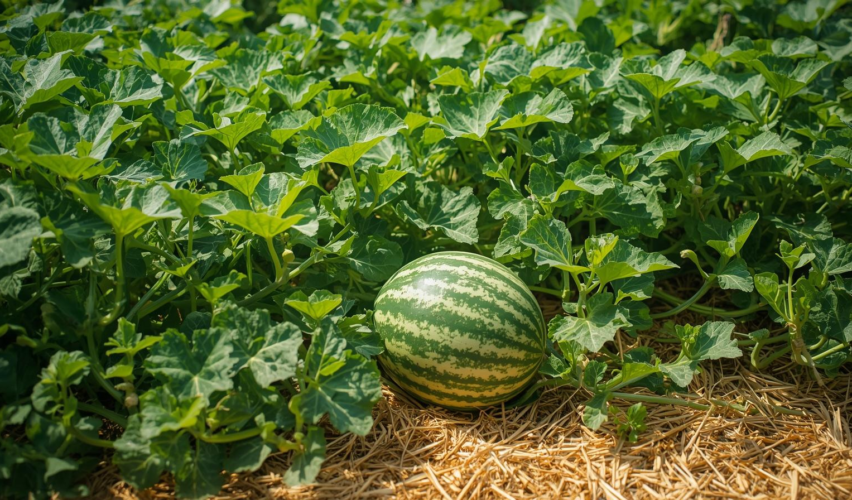
How to Grow Watermelon: A Practical Home-Garden Guide
Watermelons grow best when you give them heat, sun, well-drained soil, and steady moisture early on—then slightly less water as the fruit finishes for better flavor. Guidance from the University of Georgia Extension home-garden guide (UGA Extension) and the Utah State University Extension watermelon guide (Utah State University...
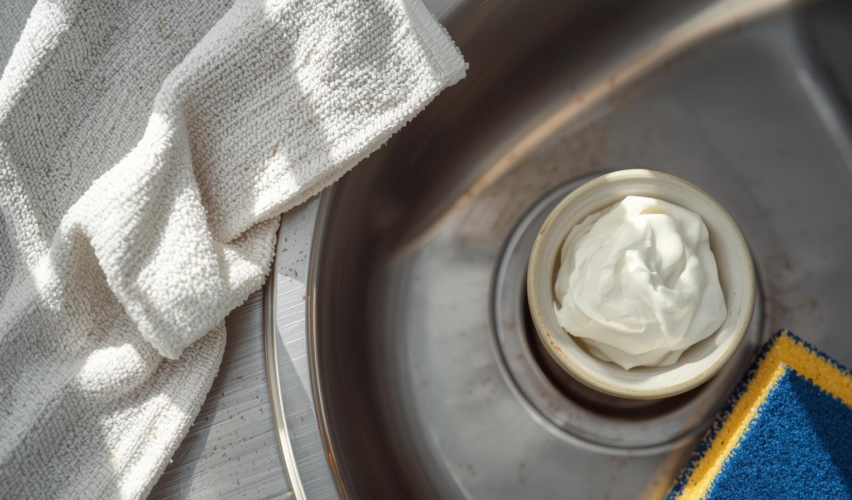
How to Remove Rust From Stainless Steel (Safely, Without Ruining the Finish)
Stainless steel is stain-less, not stain-proof: rust usually shows up when the protective chromium-oxide layer is compromised or when “free iron” contamination (tiny iron particles from steel wool, tools, or dirty water) sits on the surface and oxidizes. That’s why good rust removal is really about (1) removing the rust/iron...

How to Measure for Curtains (So They Look Full, Hang Straight, and Fit the Window)
Measuring for curtains comes down to three choices first: where the rod/track will sit (inside vs. outside mount), how “full” you want the curtains to look, and what finished length you want (sill, apron, floor, or puddle)—all of which affect the numbers you write down. Retailer and home-design guides like The Shade Store, Home...
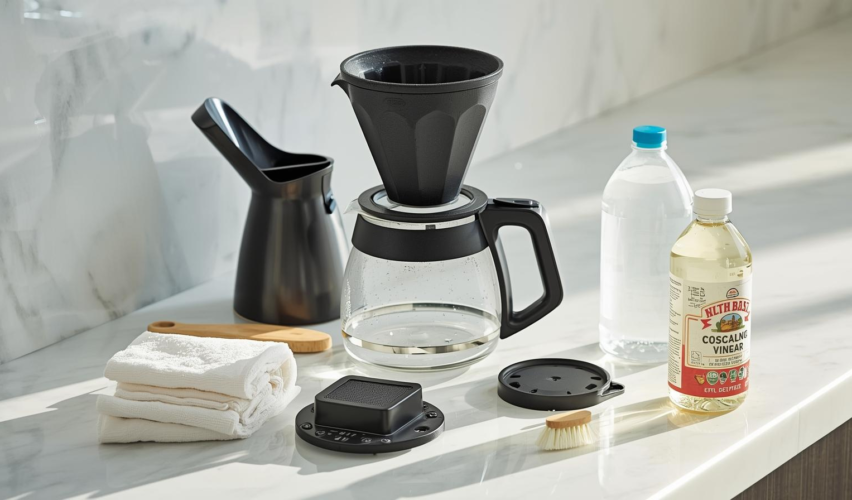
How to Clean a Coffee Maker (So It Brews Better and Lasts Longer)
A clean coffee maker does two important things: it prevents coffee oils and residue from tainting flavor, and it removes mineral scale (limescale) that can slow brewing and stress the heater—especially if you have hard water, which the U.S. Geological Survey defines largely by dissolved calcium and magnesium. (USGS definition of water...
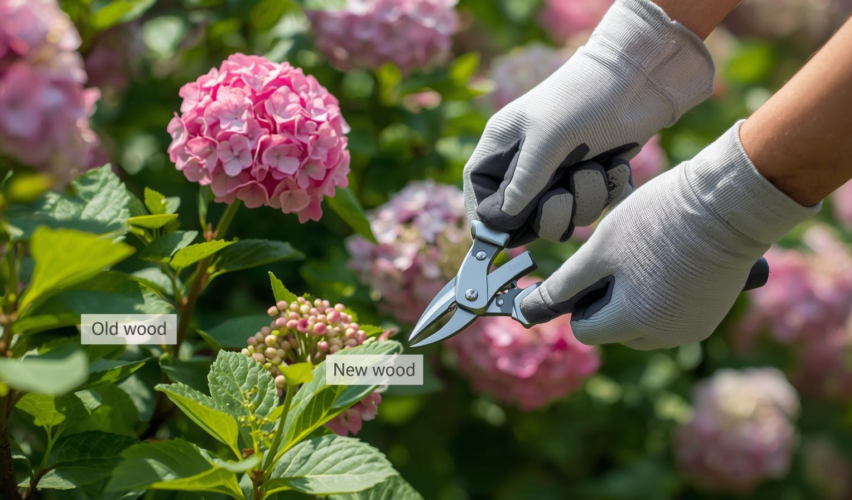
How to Prune Hydrangeas (Without Cutting Off Next Year’s Blooms)
Hydrangeas are “easy” to prune once you know one thing: some bloom on last year’s stems (“old wood”), and others bloom on new growth made this season (“new wood”). That difference determines when you can prune without sacrificing flowers, as explained by the Royal Horticultural Society’s hydrangea pruning guide, the...
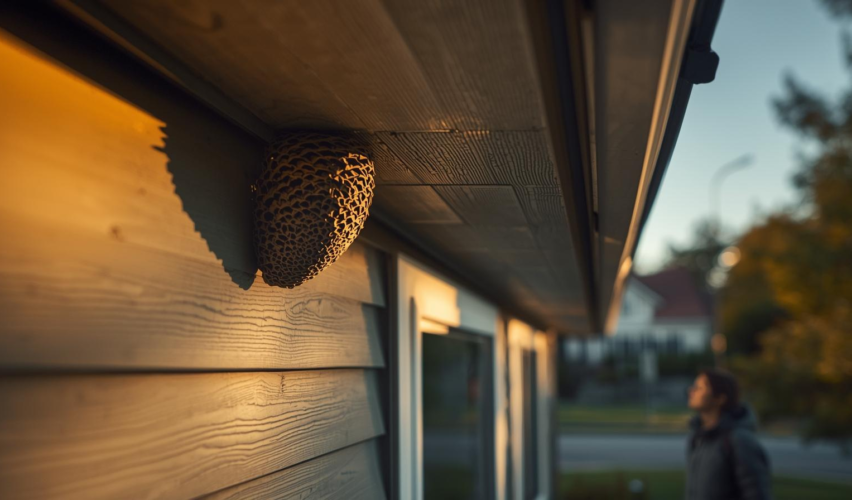
How to Get Rid of Wasps Safely (DIY, Prevention, and When to Call a Pro)
Wasps can be beneficial predators in gardens and yards, but a nest near doors, patios, play areas, or work zones raises the risk of painful (and sometimes dangerous) stings. Guidance from sources like Penn State Extension and the University of California IPM Program emphasizes choosing the lowest-risk option first and avoiding actions...
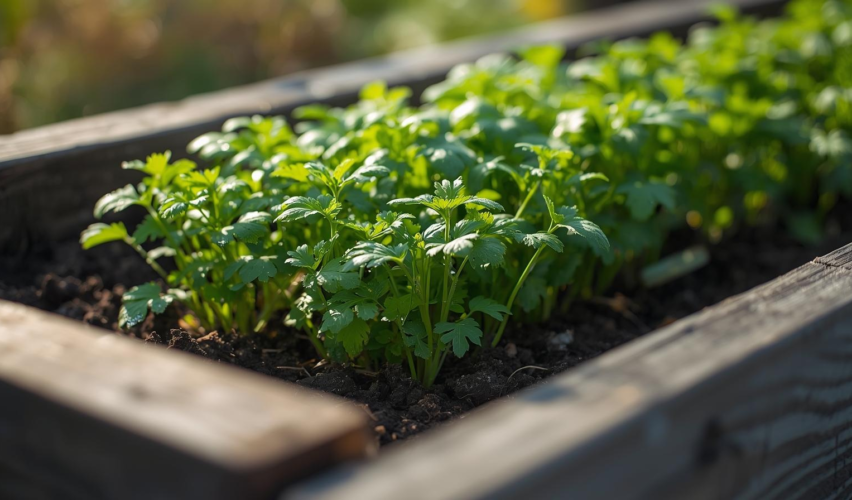
How to Grow Cilantro (So You Get Leaves, Not Just Flowers)
Cilantro (Coriandrum sativum) is a cool-season herb that grows fast, tastes best when it’s tender, and often “bolts” (flowers early) once weather turns hot—so the trick is planting at the right time and keeping growth steady. Both Michigan State University Extension and Texas A&M AgriLife Extension note that heat triggers...
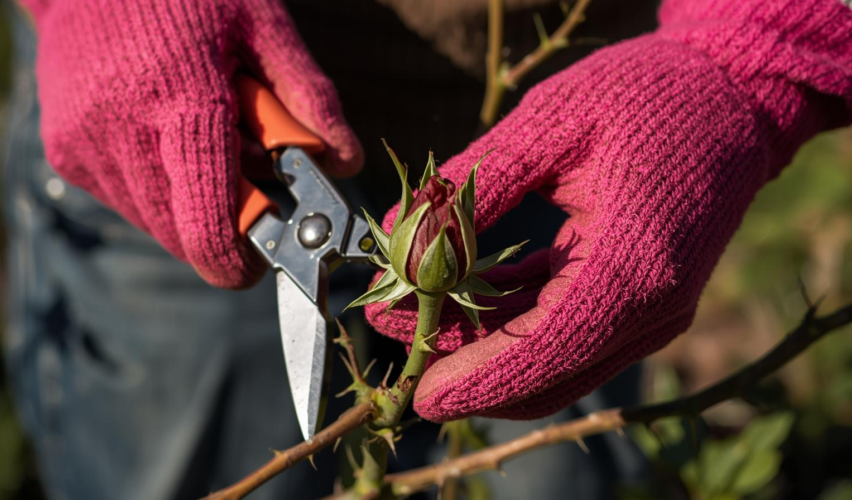
How to Prune Roses for Healthier Growth and Better Blooms
Pruning roses is mostly about removing unproductive wood, improving airflow, and directing new growth where you want it. Most roses respond best to a main prune in late winter/early spring as growth resumes (look for swelling buds), while once-blooming types are pruned right after flowering so you don’t cut off next year’s blooms, as...
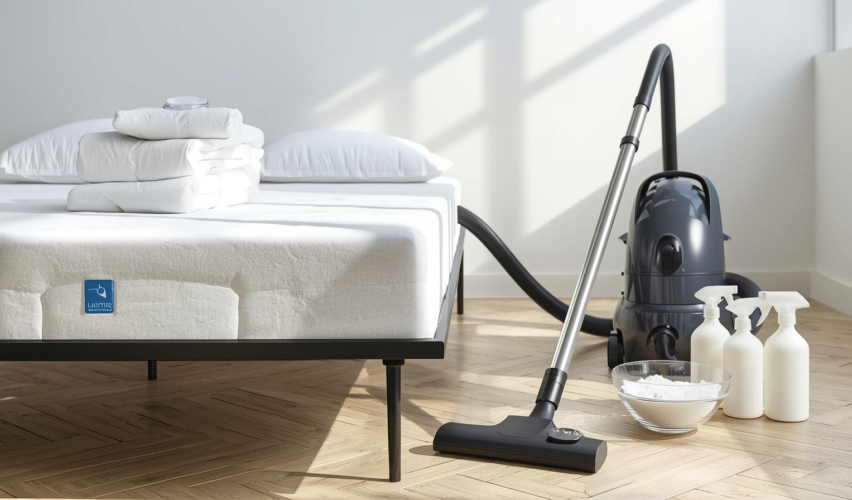
How to Clean a Mattress (Deep Clean, Spot Treat, and Keep It Fresh)
A good mattress clean has three goals: remove dust and allergens, lift stains before they set, and dry the materials fast so moisture doesn’t turn into odor or mold. Public-health guidance also stresses that, in most homes, regular cleaning is usually enough—disinfecting is only needed in higher-risk situations (like bodily fluids or...