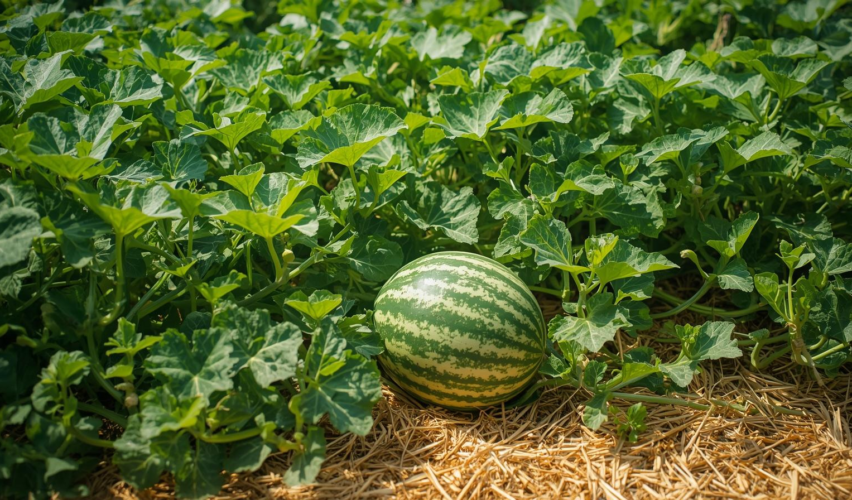
Watermelons grow best when you give them heat, sun, well-drained soil, and steady moisture early on—then slightly less water as the fruit finishes for better flavor. Guidance from the University of Georgia Extension home-garden guide (UGA Extension) and the Utah State University Extension watermelon guide (Utah State University Extension) lines up closely on these basics.
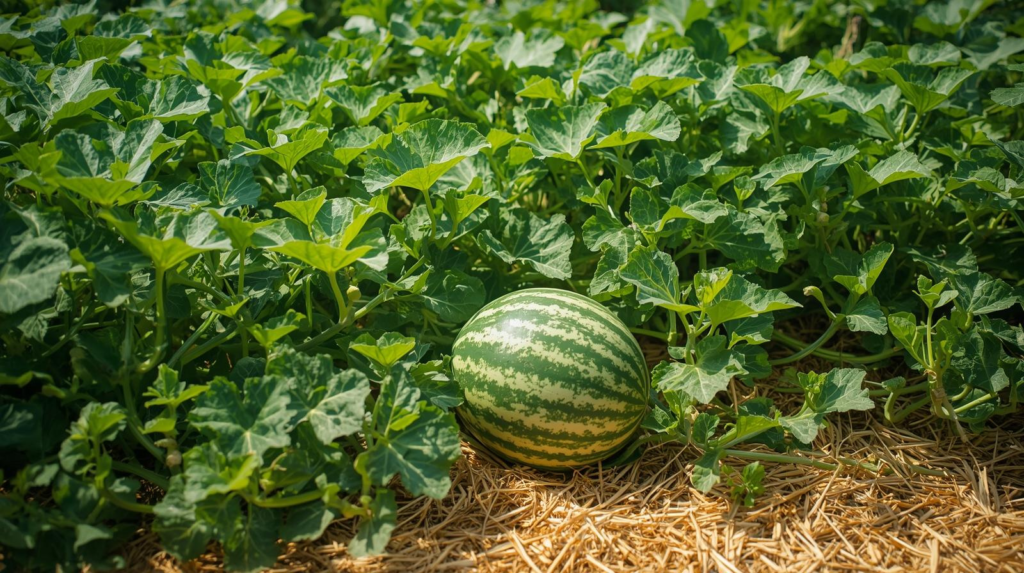
What you need (quick checklist)
- Sun: Plan for 8–10 hours/day of direct sun, per the University of Georgia Extension (UGA Extension).
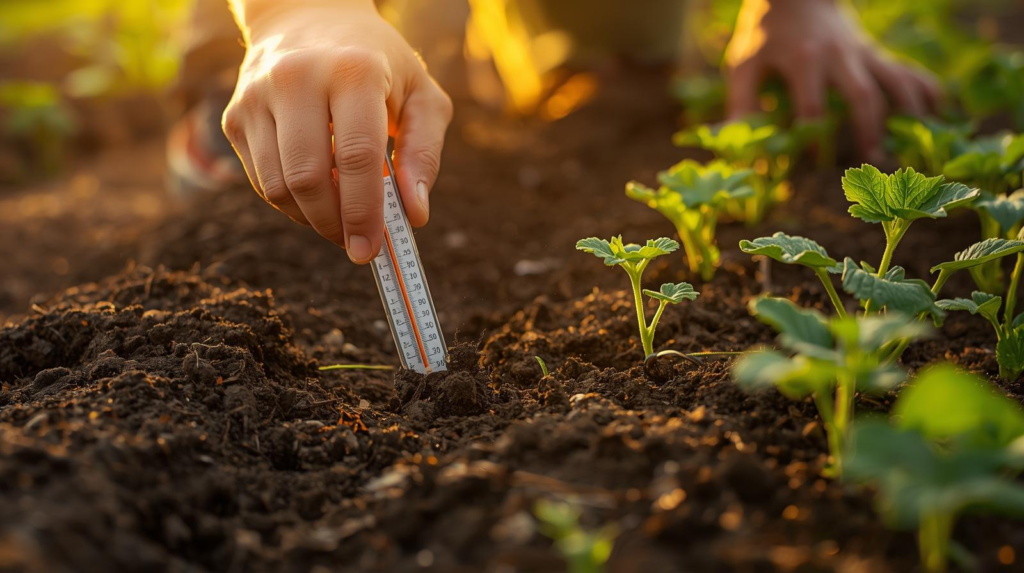
- Warm soil: Plant after frost risk is past and soil reaches about 65–70°F, recommended by the University of Georgia Extension (UGA Extension) and supported by the University of Minnesota Extension (University of Minnesota Extension).
- Soil: Use fertile, well-drained ground (raised rows help in heavier soils), as noted by the University of Georgia Extension (UGA Extension).
- Water plan: Expect roughly 1–2 inches/week (more in extreme heat/sand, less with rain), per the Utah State University Extension (Ut ah State University Extension) and Alabama Extension (ACES) (aces.edu).

1) Pick a variety that fits your space
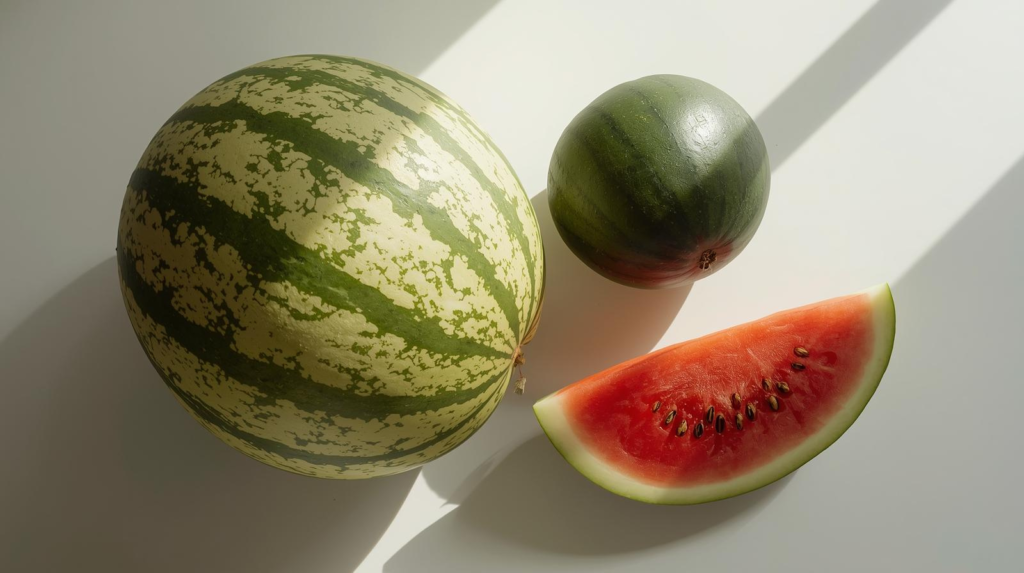
Watermelon vines can sprawl, so smaller “icebox/personal-size” varieties are often easier in home gardens. Spacing guidance (including hill spacing options) is summarized well by the University of Maryland Extension (University of Maryland Extension) and the University of Georgia Extension (UGA Extension).
Seedless note: Seedless (triploid) watermelons must be grown with a seeded pollenizer so bees can move pollen and set fruit, and field results commonly point to about a 1:3 pollenizer-to-seedless setup (or similar layouts) for good yield. See the University of Delaware weekly crop update (UD WordPress) and the Seminis pollenizer spacing guide (Bayer Vegetables).
2) Plant at the right time (warm soil beats the calendar)
For direct seeding or transplanting outdoors, wait until soil is about 65–70°F and conditions are steadily warm; cooler soil can slow growth and increase risk of early problems. This timing is explicitly recommended by the University of Georgia Extension (UGA Extension) and echoed by the University of Minnesota Extension (University of Minnesota Extension).
3) Get soil right: drainage + pH
- Drainage first: Watermelons struggle in soggy soil—use raised beds/rows if needed, as advised in the University of Georgia Extension guide (UGA Extension).
- pH target: Many extension references cite best performance around pH 6.0–6.8, including Oklahoma State University Extension (OSU Extension) and University of Missouri Extension (MU Extension).
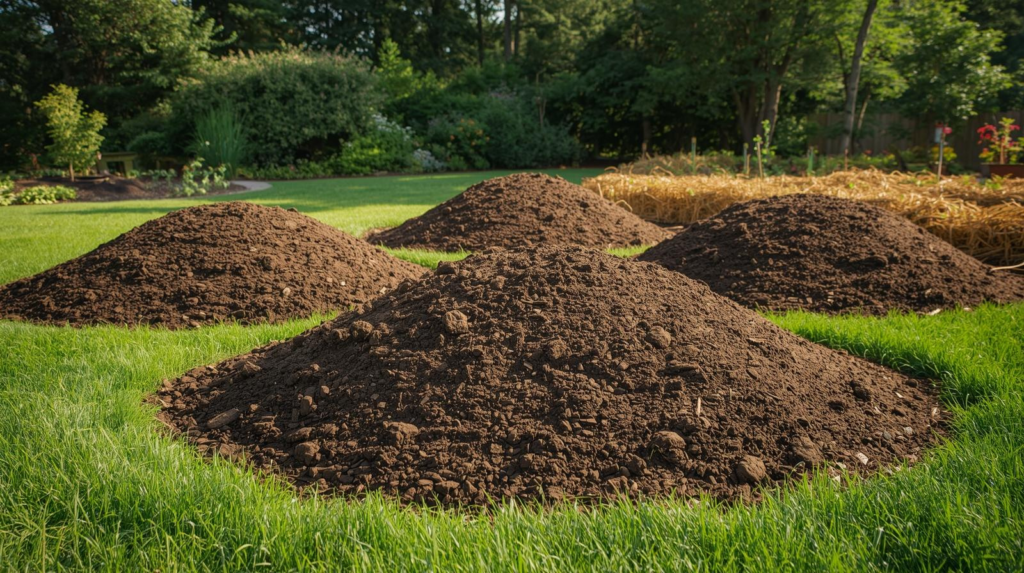
4) Plant correctly: hills, depth, spacing
A simple home-garden approach:
- Make small hills/mounds.
- Sow 4–5 seeds per hill about 1 inch deep, per the University of Georgia Extension (UGA Extension).
- Thin to the best 2 plants once established (common extension practice; the Georgia guide demonstrates thinning after germination). See the same UGA guide (UGA Extension).
- Use spacing that matches your variety and garden size; examples include hill spacing guidance from the University of Maryland Extension (University of Maryland Extension) and the Alabama Extension (ACES) spacing handout (aces.edu).

5) Water deeply, then ease off near ripening
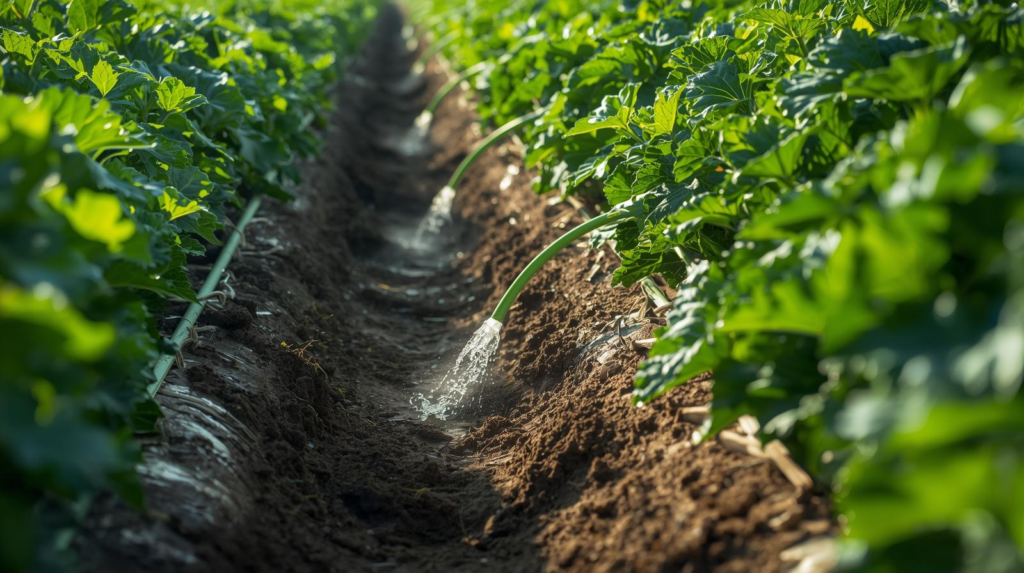
- Provide about 1–2 inches of water per week, watering deeply and less often rather than frequent light watering, per the Utah State University Extension (Utah State University Extension) and Alabama Extension (ACES) (aces.edu).
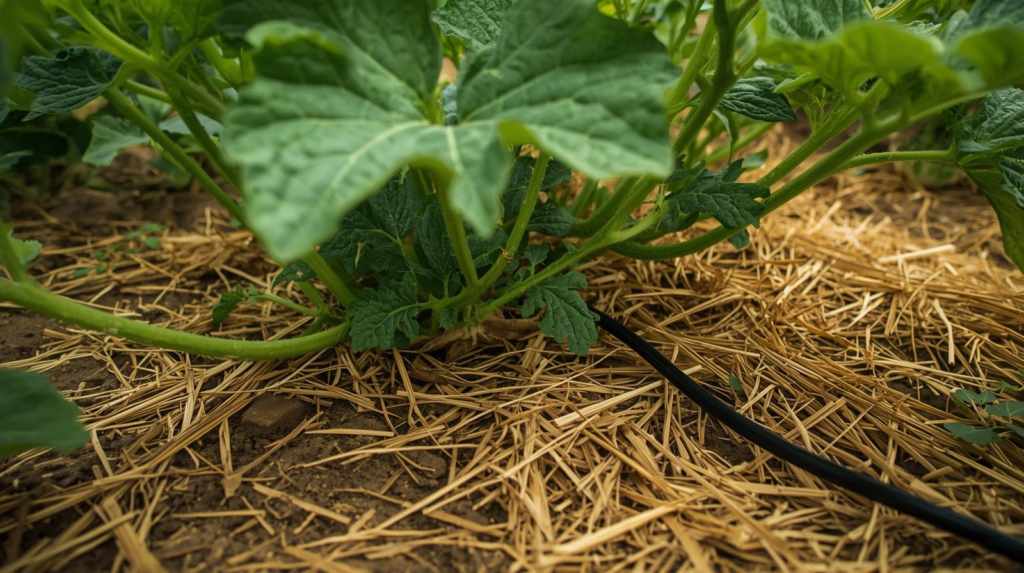
- If possible, use drip irrigation; it helps keep foliage dry and can reduce disease spread compared to sprinklers, as explained by Oklahoma State University Extension on watermelon diseases (OSU Extension) and reinforced by Utah State University Extension (Utah State University Extension).
- As fruit approaches maturity, reduce watering to support better flavor, recommended by the Utah State University Extension (Utah State University Extension).
6) Fertilize in phases (don’t overdo nitrogen late)
A common extension pattern is: improve soil with organic matter, then side-dress nitrogen once vines begin running. The Utah State University Extension (Utah State University Extension) gives a clear example schedule (including a side-dress amount) and notes fertilizer timing for best results.

7) Protect pollination (especially for seedless)
Watermelons depend on insect pollination; avoid spraying insecticides during bloom and support bees with nearby flowers. This is emphasized in seedless/pollenizer discussions from the University of Delaware (UD WordPress), and pollenizer placement ratios are illustrated in the Seminis pollenizer spacing guide (Bayer Vegetables).

8) Mulch and basic vine care
Mulch helps conserve moisture and reduce weeds; drip irrigation helps keep leaves dry. Both points are directly recommended by the Utah State University Extension watermelon guide (Utah State University Extension), and the disease benefit of avoiding wet foliage is explained by Oklahoma State University Extension (OSU Extension).
9) Harvest at peak ripeness (they don’t ripen off the vine)
Use multiple signs together:
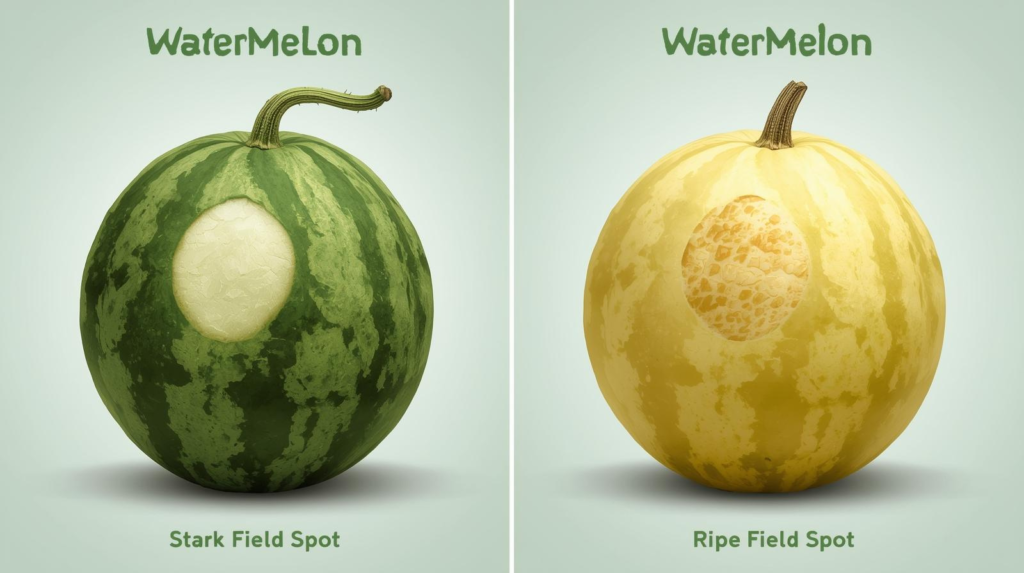
- The ground/field spot turns yellow/creamy yellow, per the University of Minnesota Extension harvesting guide (University of Minnesota Extension) and the Utah State University Extension (Utah State University Extension).
- The tendril closest to the fruit dries and browns, per the University of Minnesota Extension (University of Minnesota Extension) and Utah State University Extension (Utah State University Extension).
- Many guides also mention a duller rind as maturity approaches; USU includes it as a supporting sign in their maturity checklist. See the USU maturity notes (Utah State University Extension).
When ready, cut the stem with pruners/knife instead of pulling; the Texas A&M AgriLife “Easy Gardening” melon handout (Aggie Horticulture) recommends cutting to avoid vine damage.
Summary
Grow watermelons in full sun, in warm soil (about 65–70°F), with well-drained soil near pH 6.0–6.8. Water deeply to total about 1–2 inches/week, use drip if possible, and reduce watering as fruit ripens. Harvest when the field spot is creamy yellow and the tendril nearest the fruit is dry and brown, and cut the stem cleanly.
Related Articles
https://homeandgardenworld.com/advice/how-to-grow-pumpkins