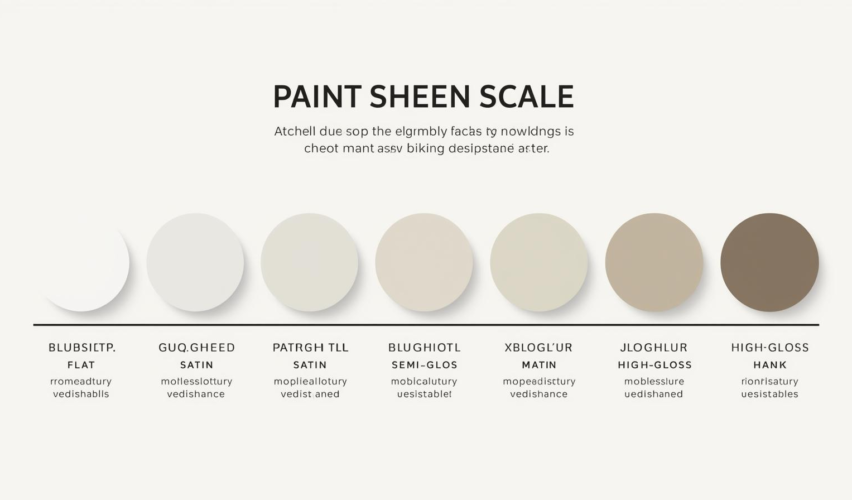
Choosing between satin vs semi gloss paint isn’t just a style decision. The sheen you pick changes how your paint looks in daylight, how easily it cleans, how it handles moisture, and how much it highlights drywall flaws. Most homeowners get better results by using satin on walls and semi-gloss on trim/doors, but there are smart exceptions depending on traffic, lighting, and surface condition. Major paint brands consistently position satin as a washable, everyday finish for busy spaces and semi-gloss as a tougher, shinier option for high-touch surfaces like trim and cabinets. (Sherwin-Williams)
Quick definition: satin vs semi-gloss
Satin paint has a soft, pearl-like sheen that’s commonly recommended for higher-traffic interiors because it balances a richer look with washability. (Sherwin-Williams)
Semi-gloss paint is noticeably shinier and is commonly recommended for trim, cabinets, and areas that need frequent cleaning or face higher moisture. (Behr)
Why sheen matters more than people think
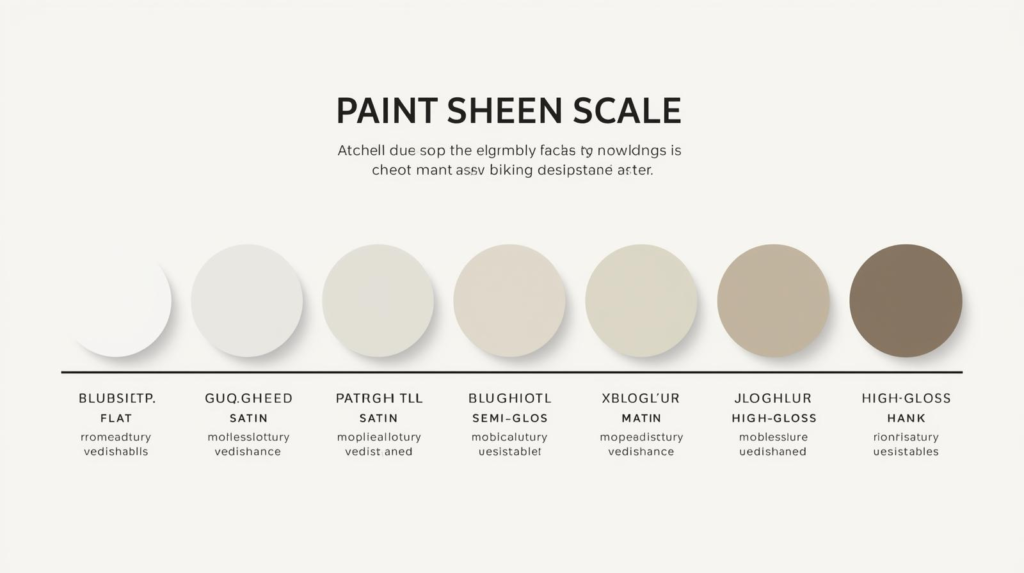
Paint sheen is basically how much light the dried paint film reflects. More reflection typically means the surface is easier to wipe down, but it can also make surface texture and patchwork more obvious. Paint manufacturers describe sheen on a spectrum (from flatter to glossier), and that choice affects how color and texture read in a room. (Benjamin Moore)
Satin vs semi gloss paint: side-by-side differences that actually matter
1) Appearance and light reflection
Satin gives a soft glow that tends to look “smooth” across big wall areas. Semi-gloss reflects more light, which can look crisp on trim and doors but can also create glare on large wall surfaces—especially in bright rooms. Brands that publish sheen guidance consistently show satin below semi-gloss in the sheen spectrum. (Benjamin Moore)
2) Hiding imperfections (drywall, patches, roller texture)
If your walls aren’t perfectly prepped, satin is usually the safer option. A shinier finish (like semi-gloss) tends to emphasize dents, sanding marks, patch edges, and roller stipple because it reflects light more strongly. This is why semi-gloss is often reserved for smoother substrates like trim and millwork rather than broad drywall fields. (Dunn-Edwards Paints)
3) Durability and scrub-ability (real cleaning)
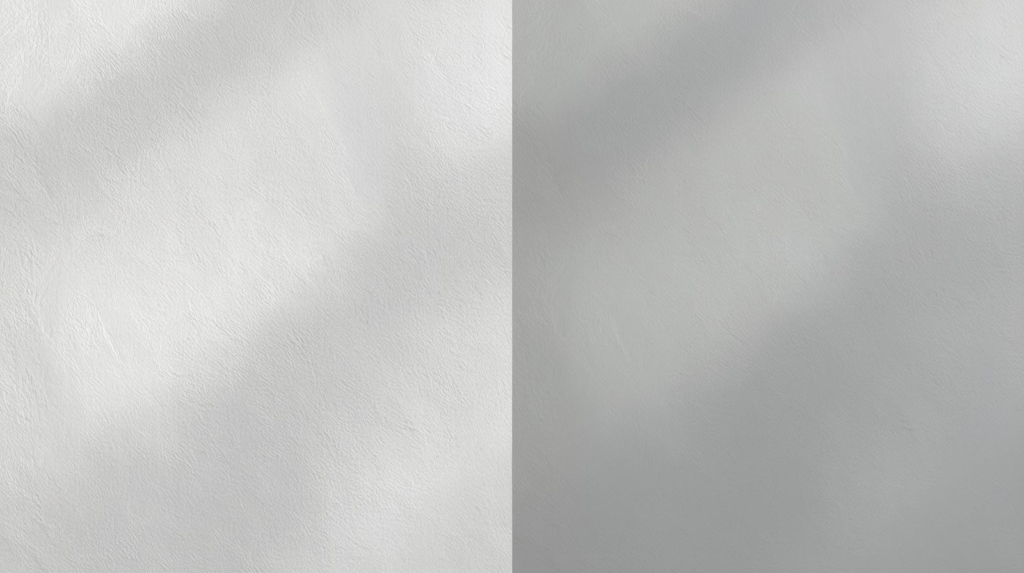
In general, as sheen increases, so does cleanability. PPG summarizes the relationship plainly: more reflected light (higher sheen) tends to come with higher scrubbability, while lower-sheen finishes tend to be less scrub-friendly. (PPG Paints)
That doesn’t mean satin is delicate—most modern satin wall paints are very washable—but semi-gloss usually has the edge for repeated wiping on high-touch surfaces. (Behr)
4) Moisture resistance (bathrooms, laundry rooms, kitchens)
For rooms that see humidity and splashes, many major brands point to satin and semi-gloss as strong options depending on the surface. Behr notes satin enamel as a good choice for areas with some exposure to moisture and semi-gloss enamel as suitable for high-moisture areas and wear-prone surfaces like cabinets and trim. (Behr)
5) Touch-ups and “flashing”
The shinier the finish, the more likely a small touch-up will reflect light differently than the surrounding area. Satin typically blends more forgivingly than semi-gloss on large continuous walls, while semi-gloss touch-ups often look best when you repaint to a natural break (like the whole door casing segment).
Best uses by surface (the most reliable way to choose)
Use satin for
Walls in higher-traffic living spaces where you want washability without spotlighting every flaw. Sherwin-Williams explicitly calls satin ideal for high-traffic rooms and lists spaces like hallways, kids’ bedrooms, and family rooms. (Sherwin-Williams)
Common satin picks:
- Hallways and stairways
- Family rooms and living rooms
- Kids’ bedrooms (walls)
- Home offices
- Many kitchen and bathroom walls (especially if you want less glare than semi-gloss) (Sherwin-Williams)
Use semi-gloss for
Hard-working, high-touch surfaces and trim details. Behr highlights semi-gloss enamel for cabinets and trim, and Dunne-Edwards notes semi-gloss is often used where frequent scrubbing is needed (kitchens/baths) and on windows, trim, cabinets, and doors. (Behr)
Common semi-gloss picks:
- Baseboards, casing, crown molding
- Interior doors
- Cabinets and built-ins
- Wainscoting and railings
- Bathroom trim and areas that get wiped frequently (Dunn-Edwards Paints)
The classic “pro-looking” pairing (and why it works)
For most homes, the simplest formula that looks intentional is:
- Walls: Satin
- Trim/doors: Semi-gloss
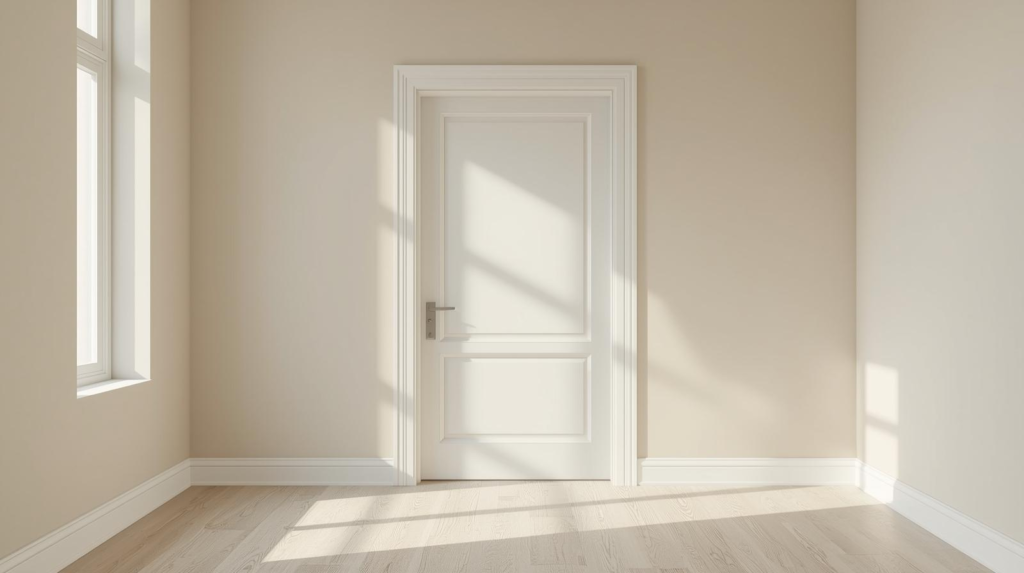
It works because satin gives walls a smoother, more forgiving look, while semi-gloss makes trim look crisp and easier to clean—exactly how major paint brands describe typical use cases. (Sherwin-Williams)
A simple decision framework (fast, practical)
Choose satin if:
- You’re painting broad wall areas
- Your drywall has patches, texture, or older imperfections
- You want easier touch-ups and less glare
Choose semi-gloss if: - It’s trim, doors, cabinets, or a high-touch surface
- You expect frequent wiping/scrubbing
- You want crisp contrast and don’t mind a shinier look (PPG Paints)
Application tips (especially important for semi-gloss)
Semi-gloss looks best when the surface is smooth and your technique is controlled because sheen makes inconsistencies more visible. Dunne-Edwards notes semi-gloss is easy to clean and stain resistant—great traits, but they come with a more “revealing” finish. (Dunn-Edwards Paints)
Do this for cleaner results:
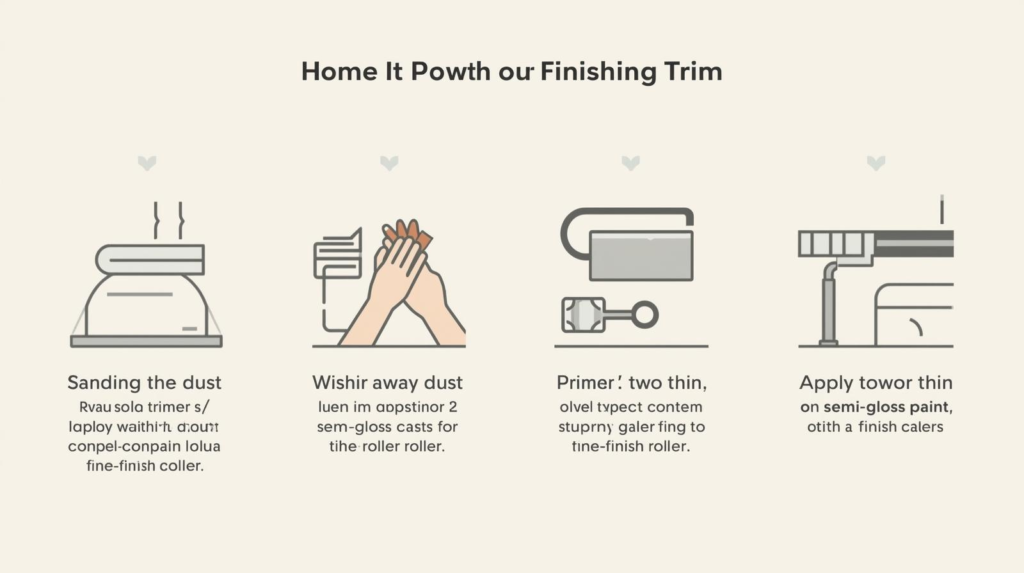
- Patch, sand, and feather repairs carefully before painting
- Use a quality brush/mini-roller for trim to reduce brush marks
- Apply multiple thin coats rather than one heavy coat (Behr specifically recommends thin coats for semi-gloss enamel) (Behr)
FAQs
Is satin or semi-gloss better for walls?
Most of the time, satin is better for walls because it balances washability with a softer look, while semi-gloss is more reflective and can highlight drywall flaws. (Sherwin-Williams)
Is semi-gloss too shiny for bedrooms?
For bedroom walls, it often reads too shiny under daylight or strong lamps. For trim and doors, semi-gloss is very common. (Dunn-Edwards Paints)
What should I use in kitchens and bathrooms?
For walls, satin is a common choice when you want cleanability without heavy shine; for trim, doors, and cabinets, semi-gloss is widely recommended because it handles wiping and humidity well. (Behr)
Are satin and semi-gloss the same across brands?
No—brands define sheen families similarly, but the exact reflectivity can vary by product line, which is why testing a sample in your lighting is smart. (Benjamin Moore)
Bottom line
If you want the safest, most widely recommended setup: use satin for walls in most living spaces and semi-gloss for trim/doors/cabinets. Satin gives you a clean, refined look that hides more imperfections, while semi-gloss delivers maximum wipeability and a crisp finish on details that get touched every day. (Sherwin-Williams)