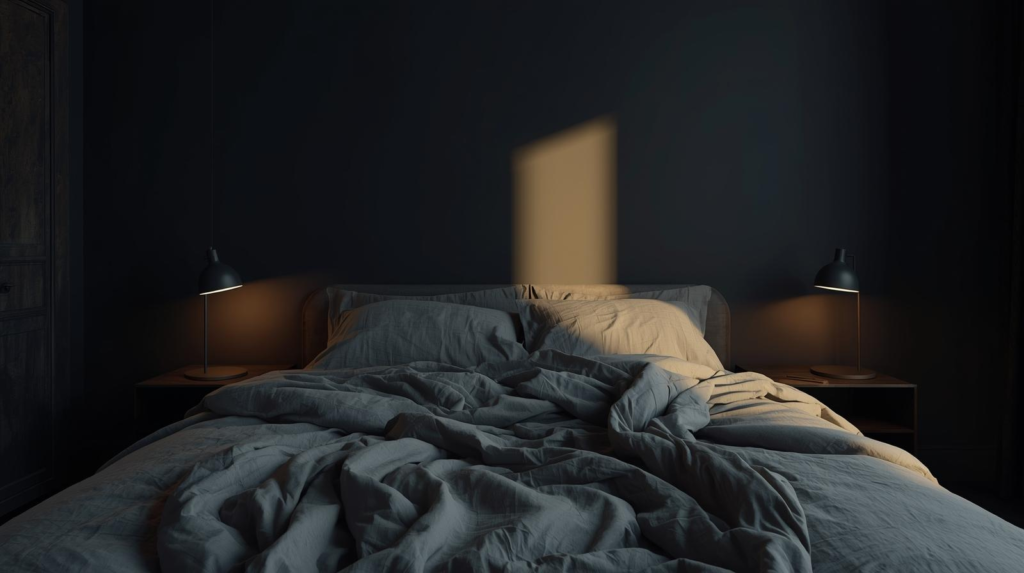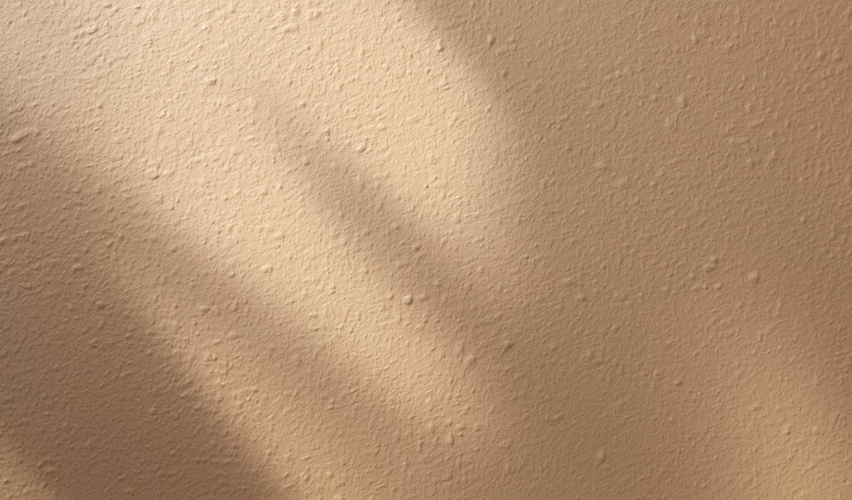
Matte paint has become the go-to finish for people who want walls that look calm, modern, and high-end without the glare of shinier sheens. But “matte” can mean different things depending on the brand, the product line, and even the room you’re painting. Some matte paints are surprisingly washable. Others scuff easily. Some hide wall flaws beautifully. Others show roller marks if you rush the job.
This guide covers matte paint from every practical angle: what it is, how it compares to flat/eggshell/satin, where it works best, how to choose the right matte product, how to apply it for a flawless look, and how to clean and touch up without creating shiny patches.
What matte paint is (and why it looks different)
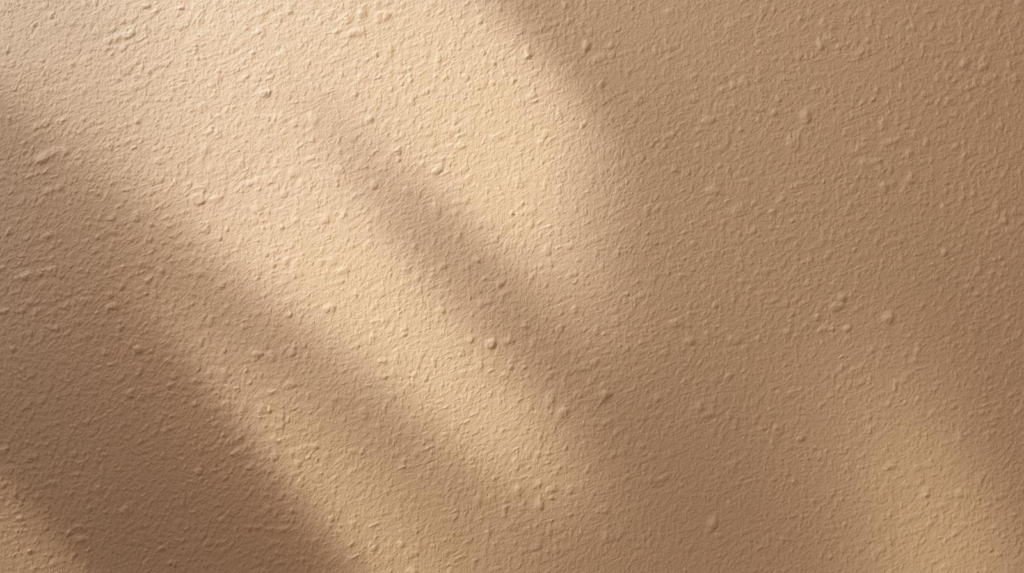
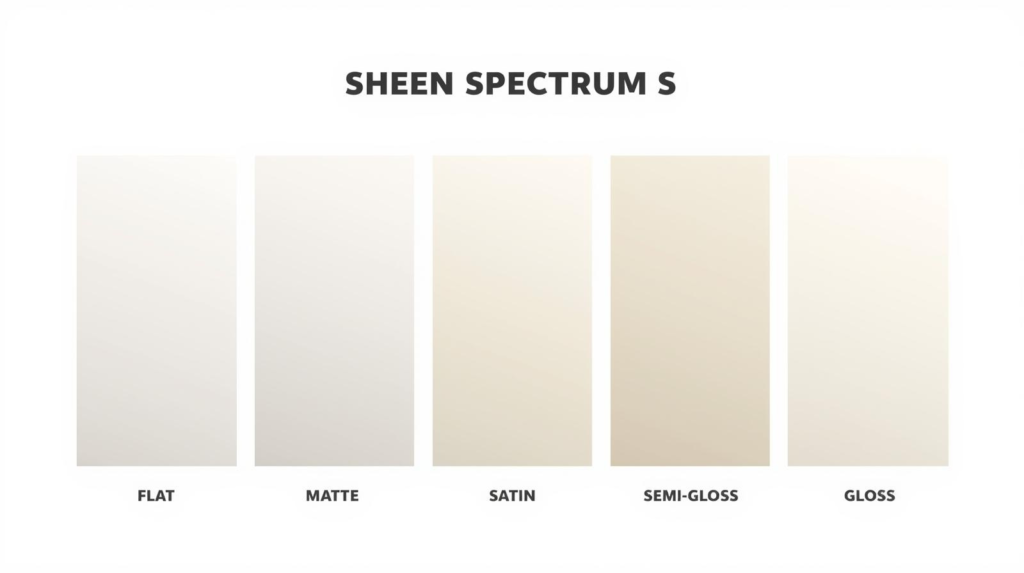
Paint “sheen” is how much light the surface reflects. Matte sits on the low end of the sheen spectrum: it reflects very little light, creating a soft, velvety appearance.
Many brands describe matte as excellent for hiding minor surface imperfections while still being more serviceable than ultra-flat finishes. For example, Sherwin-Williams notes matte is great for hiding surface imperfections and is designed to be smooth and washable in certain product lines. (Sherwin-Williams)
Matte vs flat: are they the same?
They’re often used interchangeably in casual conversation, but many brands separate them:
- Flat is typically the least reflective (most “no-shine”)
- Matte usually has a touch more sheen and can be a bit more washable depending on the formula (Sherwin-Williams)
Why homeowners love matte paint
1) It hides wall flaws better than shinier finishes
Low-sheen finishes reflect less light, so they tend to disguise:
- uneven drywall texture
- small patches
- subtle dents and ripples
This is one reason matte is so popular for older homes or walls that aren’t perfectly smooth. Benjamin Moore’s sheen guidance also emphasizes that lower-sheen finishes help reduce the appearance of imperfections. (Benjamin Moore)
2) It makes color look richer
Matte can make deep colors feel “inkier” and more saturated because there’s less shine interrupting the color read. This is a big reason matte is popular for moody paint colors.
3) It feels modern without trying too hard
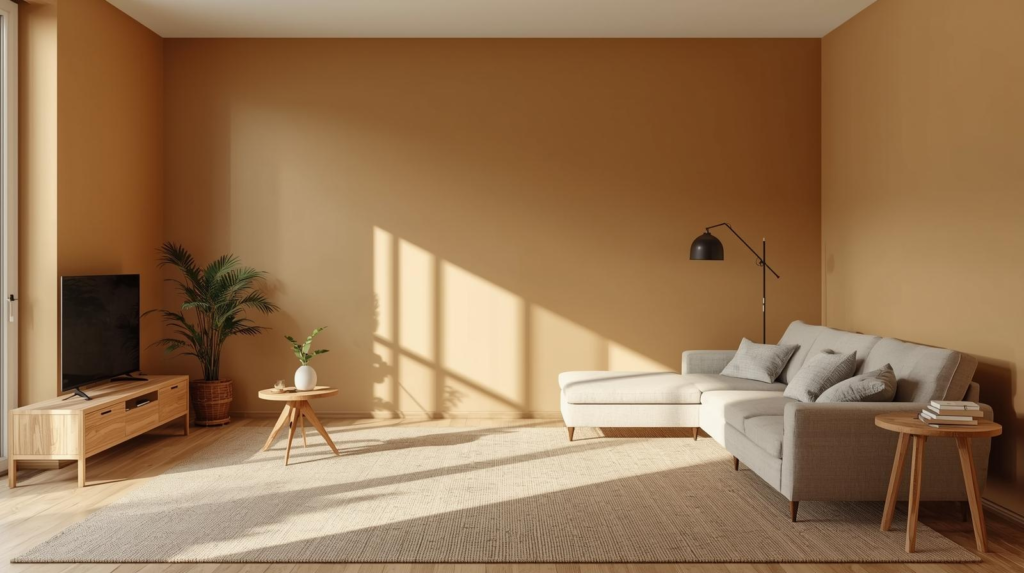
Matte walls pair well with:
- natural materials (oak, linen, stone)
- modern trim profiles
- warm whites and soft neutrals
The real drawbacks of matte paint (and how to avoid them)
Matte paint can be amazing, but it’s not automatically the best for every room.
1) Some matte paints scuff or burnish
“Burnishing” is when a matte wall develops shiny spots from rubbing or cleaning. This happens more with lower-grade matte formulas and in high-touch zones (hallways, kids’ rooms, behind dining chairs).
How to reduce this:
- Choose a washable/durable matte product (not a basic contractor flat)
- Let paint fully cure before heavy cleaning
- Clean gently (more on this below)
Some premium matte paints are engineered to resist scuffs and burnishing. For example, Benjamin Moore’s Regal Select Matte lists scuff, burnish, and mar resistance and easy stain removal as product benefits. (Benjamin Moore)
2) Matte can show lap marks if you paint inconsistently
Because matte doesn’t “flash” with sheen, people assume it’s foolproof. In reality, matte can show:
- roller overlap lines
- dry edges
- uneven film thickness
The fix is technique: maintain a wet edge and work in consistent sections.
3) Matte is not the best default for wet rooms
Moisture control matters more than paint sheen, but bathrooms and frequently splashed kitchen zones typically benefit from higher washability finishes and good ventilation habits. EPA guidance emphasizes using exhaust fans/open windows and controlling humidity to prevent moisture problems and mold. (Environmental Protection Agency)
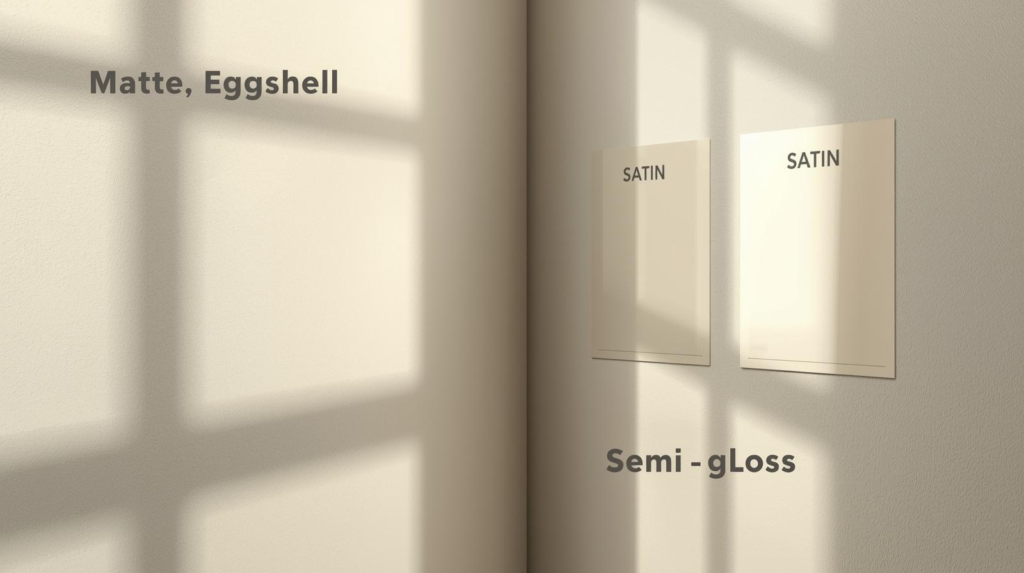
Matte paint vs eggshell vs satin vs semi-gloss
Here’s the practical way to choose:
Matte vs eggshell
- Matte: lower glare, better at hiding flaws, often a more “designer” look
- Eggshell: still low sheen, but typically more durable than basic matte/flat in many product lines (brand-dependent)
Benjamin Moore notes eggshell has a low sheen reminiscent of flat/matte but is more durable than its name suggests. (Benjamin Moore)
Matte vs satin
- Satin: more shine, generally easier to scrub clean, often preferred for high-traffic or moisture-prone areas
- Matte: calmer look, less glare, typically less forgiving of repeated scrubbing unless it’s a washable matte
Matte vs semi-gloss
- Semi-gloss: best for trim, doors, and places you need frequent cleaning
- Matte: best for walls where you want low glare and softness
Sherwin-Williams’ sheen guide positions higher sheens as more durable and cleanable, with flatter finishes better at hiding imperfections. (Sherwin-Williams)
“Washable matte” explained (why matte today isn’t matte from 20 years ago)
A common myth is that matte paint is always fragile. Many modern premium interior paints offer matte finishes engineered for washability, stain resistance, and burnish resistance.
Examples of how brands describe this:
- Sherwin-Williams Emerald Interior highlights washability and scrub/stain resistance and offers matte among its available sheens. (Sherwin-Williams)
- Benjamin Moore Regal Select Matte is marketed around durability, washability, and resistance to scuffing/burnishing. (Benjamin Moore)
This is why the “right matte paint” is less about the word matte and more about the specific product line you choose.
How paint durability is measured (so you can compare products realistically)
If you see claims like “scrubbable” or “high scrub resistance,” the industry often uses standardized testing methods.
One major standard is ASTM D2486, which covers test methods for determining scrub resistance of wall paints (how well paint resists erosion from repeated scrubbing). (ASTM International | ASTM)
What this means for you:
- A premium matte paint can be designed to hold up under cleaning better than a cheaper eggshell
- Marketing terms vary, but standards like ASTM D2486 are part of how performance is evaluated (ASTM International | ASTM)
Best places to use matte paint (room-by-room)
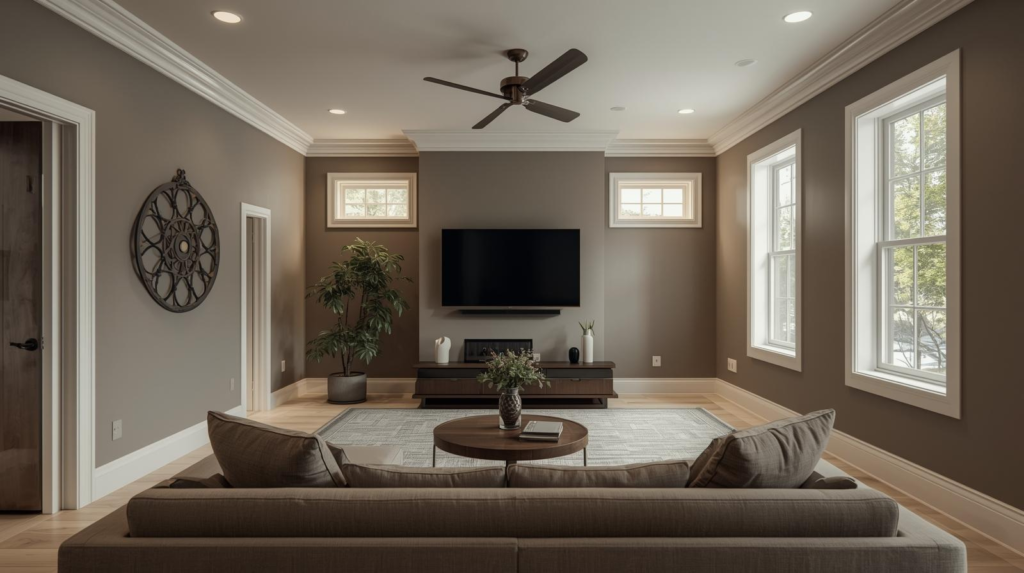
Living rooms and family rooms
Matte is a favorite here because it reduces glare from windows and TVs and makes walls feel more “finished.”
Best approach:
- Matte walls
- Flat/matte ceiling
- Semi-gloss trim (for crispness and cleanability)
Bedrooms
Matte is ideal for bedrooms because it creates a calm, cocoon effect, especially in deeper colors.
Dining rooms
Matte looks upscale in dining rooms, but consider a durable matte if chairs bump the walls often.
Hallways and staircases
Hallways are high-touch. Matte can still work, but choose:
- a premium washable matte (scuff/burnish resistant)
- or move up to eggshell if you prefer extra forgiveness (Benjamin Moore)
Kitchens
Matte can work in kitchens that don’t see a lot of splatter, but most homeowners prefer satin/eggshell near food prep areas for easier wipe-down. Sherwin-Williams and other sheen guides generally steer higher-cleanability finishes toward high-use zones. (Sherwin-Williams)
Bathrooms
If it’s a powder room, matte is often fine. In a full bath with daily showers, you’ll usually get better long-term results with moisture control and a finish strategy designed for humidity. EPA guidance emphasizes running bathroom fans/opening windows and drying damp areas quickly to prevent moisture problems. (Environmental Protection Agency)
Matte paint for ceilings, trim, and cabinets (should you do it?)
Ceilings
Matte (or flat) is common for ceilings because it hides imperfections and avoids glare. The key is managing moisture and ventilation in bathrooms and laundry areas. (Environmental Protection Agency)
Trim and doors
Matte trim is a niche look (very modern), but it’s less forgiving for scuffs. Most people stick with semi-gloss for trim because it’s durable and easy to clean, and many brand guides recommend semi-gloss for trim. (Sherwin-Williams)
Cabinets
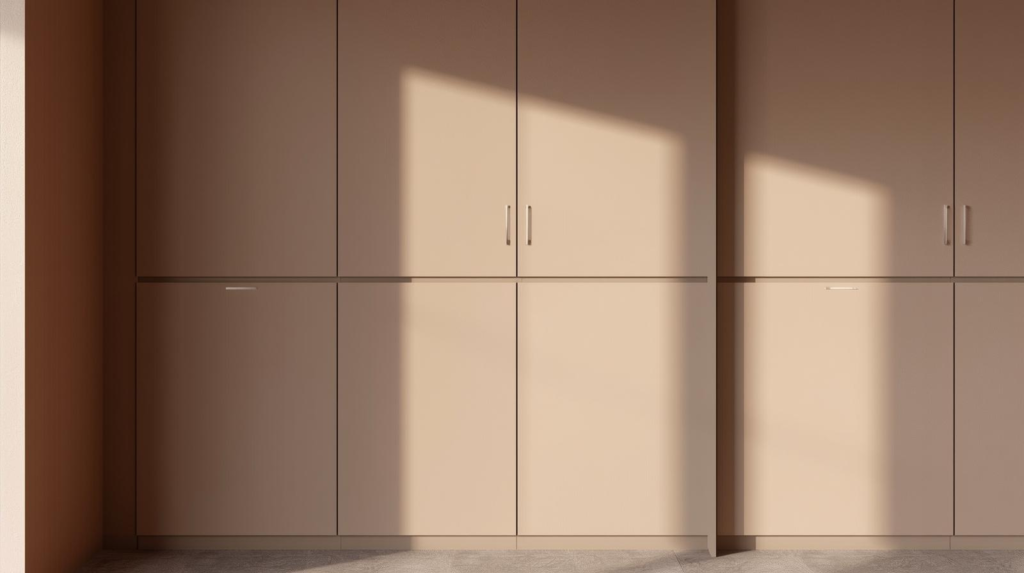
Matte cabinets look high-end, but cabinets are high-touch. If you want a matte-ish cabinet look, consider:
- satin cabinet enamel (often the practical sweet spot)
- or a cabinet-grade product designed for durability
How lighting changes matte paint (and why your sample matters)
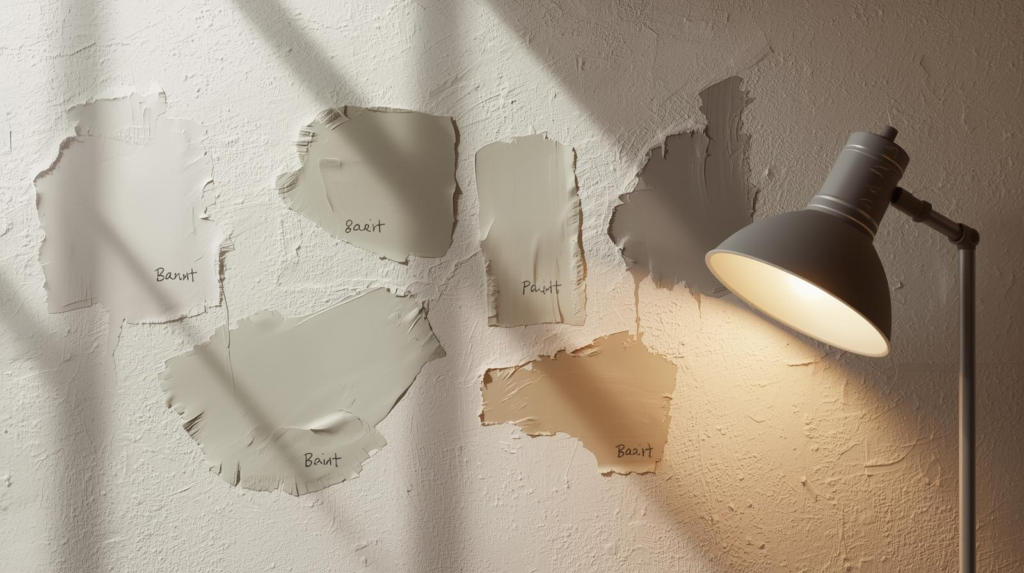
Matte paint can look wildly different depending on:
- direct sun vs shade
- warm vs cool bulbs
- wall texture
- time of day
Low-sheen finishes reduce glare, but they can also make a dark room feel darker because less light bounces around. Sherwin-Williams’ sheen guidance emphasizes choosing sheen based on function and the look you want in the space. (Sherwin-Williams)
Best practice:
- Sample on multiple walls
- View in daylight and at night
- Stand back 6–10 feet (matte reads differently from across the room)
Choosing the right matte paint: a practical checklist
When shopping, ignore the buzzwords and look for these signals:
1) Washability and stain resistance
Look for language like:
- washable
- stain release
- scrub resistance
- scuff/burnish resistance (Benjamin Moore)
2) “Matte” meaning varies by brand
One brand’s matte can look like another brand’s eggshell. Use each brand’s sheen guide and sample to confirm. (Sherwin-Williams)
3) VOC and indoor air considerations
Many interior paint buying guides emphasize choosing low- or zero-VOC options when possible for indoor air quality and comfort. (Architectural Digest)
How to apply matte paint so it looks flawless
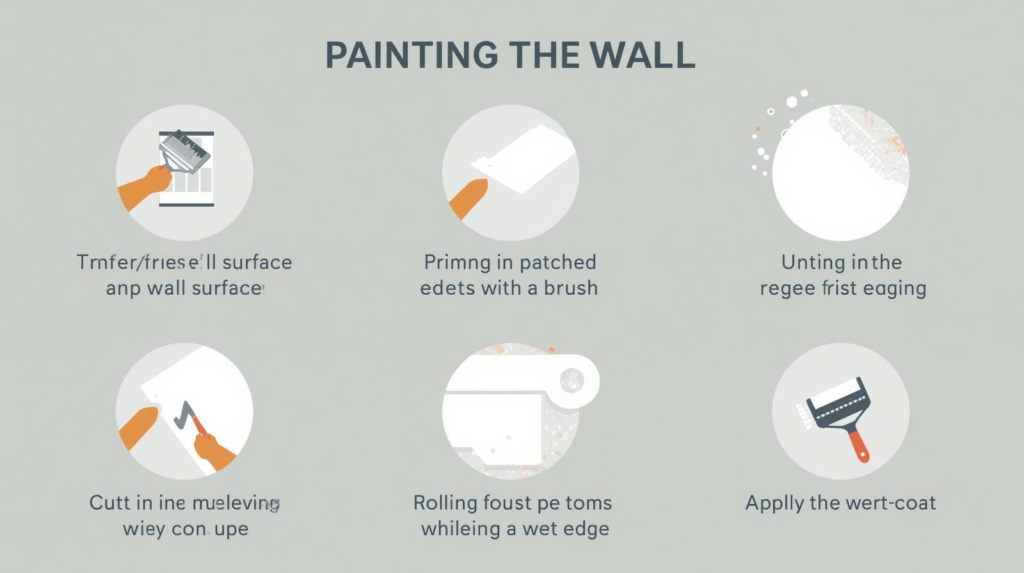
A beautiful matte finish is mostly prep and technique.
Step 1: Prep the wall (this matters more with matte than people expect)
- Patch holes and sand smooth
- Remove dust
- Degrease kitchens (paint won’t bond well to residue)
- Spot-prime repaired areas so the sheen and color look uniform
Step 2: Use the right roller nap
General rule:
- smoother walls: shorter nap
- textured walls: slightly longer nap
The goal is even coverage without heavy stipple texture.
Step 3: Maintain a wet edge
Matte can show lap marks if a section dries before you blend into it. Work in manageable sections and keep rolling back into the wet edge.
Step 4: Do two coats (usually)
Many interior paint guides recommend planning on proper prep and typically two coats for consistent color and finish. (Architectural Digest)
Dry time vs cure time (why matte paint “fails” when people clean too soon)
Paint may feel dry to the touch quickly, but it takes longer to fully cure. During that cure window, matte finishes can burnish more easily if scrubbed.
Practical advice:
- Handle gently for the first couple of weeks
- Clean with mild methods first (see below)
How to clean matte paint without ruining the finish
Matte can be cleanable, but technique matters.
Best method:
- Dust first (dry microfiber)
- Use a damp sponge/cloth with mild soap if needed
- Blot and wipe lightly (don’t grind)
- Rinse with clean water and pat dry
If you need frequent scrubbing (kids + hallway + dog), that’s a sign you should choose a premium washable matte or move up to eggshell/satin.
Touch-ups: how to avoid “flashed” patches on matte walls
Matte usually touches up better than shinier finishes, but you can still get visible patches if:
- the paint is from a different batch
- the wall has aged/dulled unevenly
- you dab paint thickly in a small spot
Best touch-up approach:
- Use the same can (or box multiple cans before painting)
- Feather the edges outward
- Use the same roller nap or brush type used originally
- If the area is large or highly visible, repaint wall-to-wall for the cleanest result
Matte paint FAQs
Is matte paint washable?
Often yes, if you choose a matte product designed for washability. Some premium matte paints are marketed as stain resistant and scuff/burnish resistant.
Is matte paint good for bathrooms?
For powder rooms, usually yes. For daily-shower bathrooms, moisture management (fan use, ventilation, humidity control) is essential, and many people choose more moisture-tolerant finishes for easier cleaning. EPA guidance emphasizes running bathroom fans/opening windows and drying damp areas quickly.
Does matte paint hide imperfections?
Yes—low sheen generally reflects less light, so it helps minimize the appearance of surface flaws compared with higher sheens.
What’s the difference between matte and flat?
They’re very similar. Flat is typically the least reflective; matte often has a tiny bit more sheen and may be formulated to be more washable depending on the product line.
The bottom line
Matte paint is one of the best ways to get a calm, modern, high-end wall finish, especially in living rooms, bedrooms, dining rooms, and spaces where you want rich color with minimal glare. The secret is choosing the right type of matte: a premium washable matte for real-life durability, and applying it with the prep and technique that prevents lap marks and shiny burnish spots. Scrub resistance testing standards like ASTM D2486 help explain why some matte paints hold up far better than others.