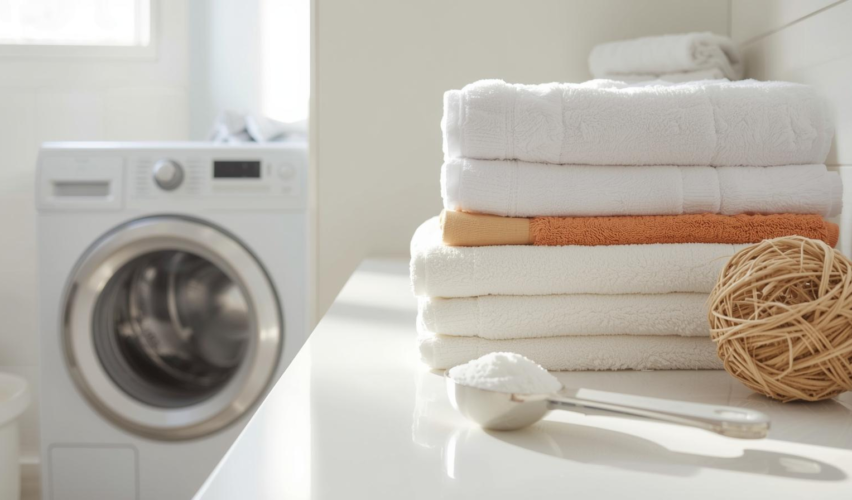
Towels build up body oils, skin cells, detergent residue, and (if they stay damp) mildew—so washing them the right way is less about “extra products” and more about good basics: the right load size, the right detergent amount, warm-enough water, and complete drying. (Restored CDC)
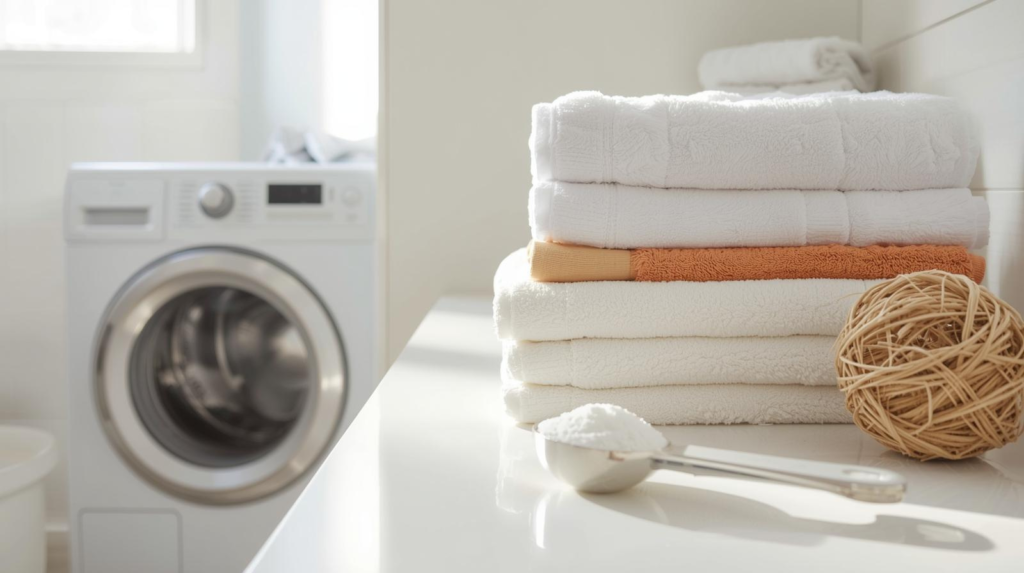
1) How often to wash towels
A practical, widely recommended rhythm is:
- Bath towels: wash after 3–5 uses (or at least weekly). (Cleaning Institute)
- Hand towels: every 1–2 days in busy bathrooms. (Cleaning Institute)
- Washcloths: after each use. (Southern Living)
- Gym/kitchen/cleaning towels: wash sooner if they smell, were used to wipe spills, or stayed damp. (Restored CDC)
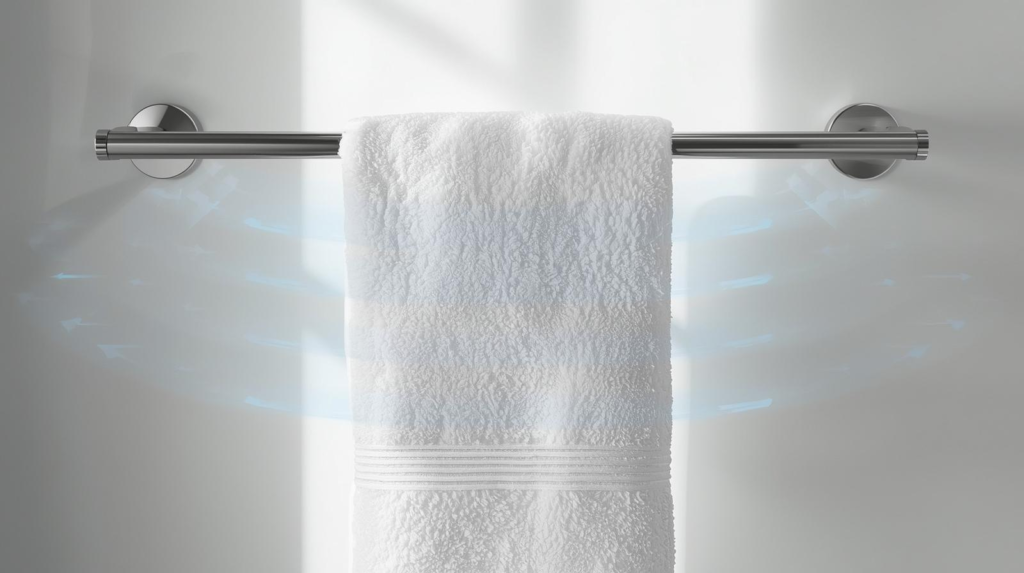
Key habit: Hang towels fully open so they dry between uses; damp towels get funky faster. (Cleaning Institute)
2) Sort and load correctly (this fixes half of towel problems)
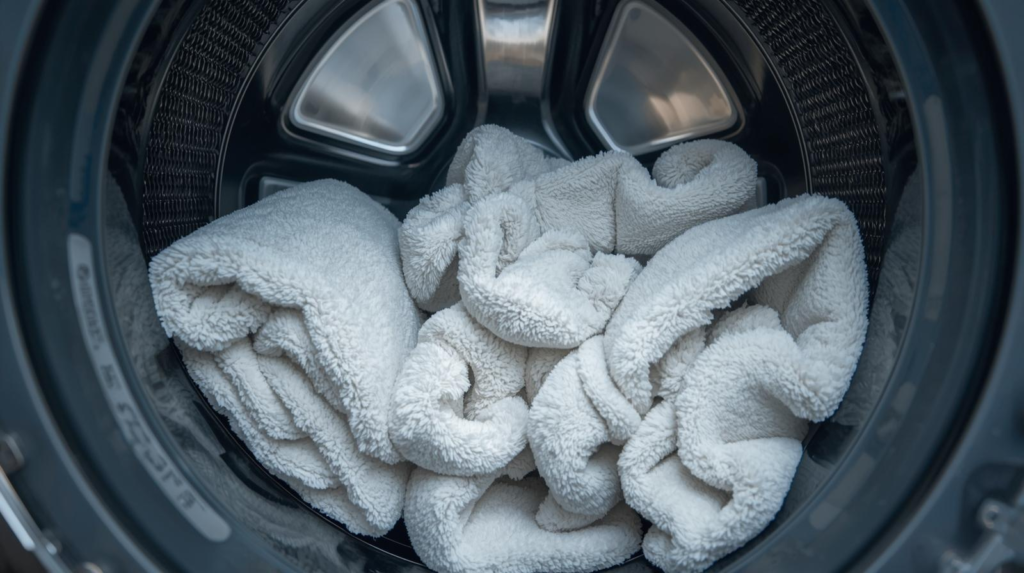
- Wash towels with towels (separately from clothes/sheets when you can). Towels create lint and are heavier, which can reduce cleaning performance for lighter items. (Better Homes & Gardens)
- Sort by color (whites vs colors) to prevent dinginess and dye transfer. (Cleaning Institute)
- Don’t overload. Towels need room to tumble so water and detergent can rinse through. Overloading contributes to detergent buildup and lingering odors. (Product Help | Whirlpool)
3) Use the right detergent amount (more soap = stiffer towels)
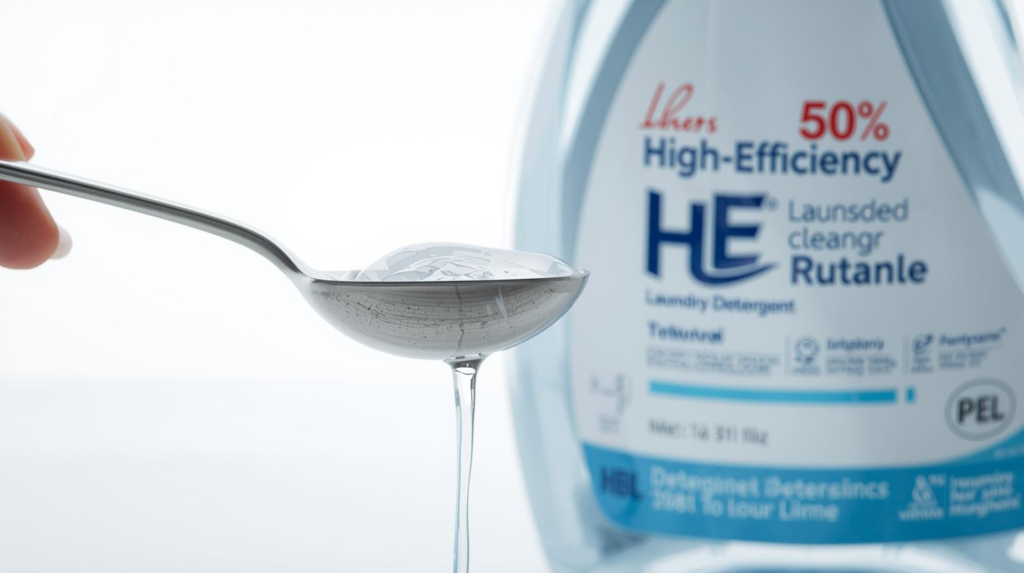
Using too much detergent can leave residue that makes towels feel waxy, stiff, and less absorbent—especially in modern high-efficiency washers that use less water. Follow the detergent label and your washer’s guidance, and err on the side of less if you’re seeing residue. (Cleaning Institute)
Quick settings that help:
- Choose Extra Rinse if towels feel coated or smell musty. (Product Help | Whirlpool)
- Use HE detergent if your washer is HE (low-sudsing matters). (Product Help | Whirlpool)
4) Pick the best water temperature and cycle
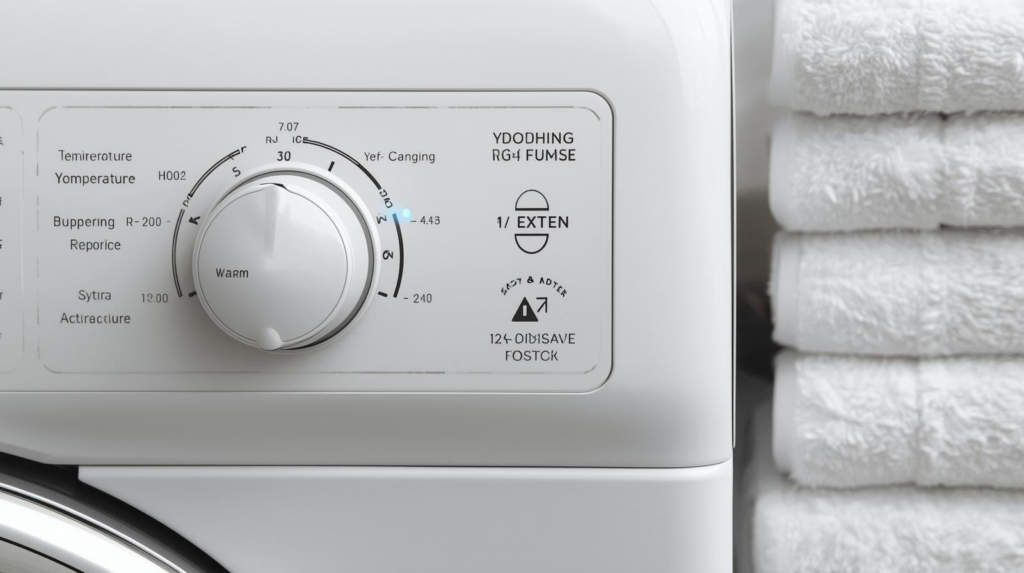
For most everyday towel loads, warm water is a strong default: it helps remove oils while being gentler on fibers than constant hot washes. (Southern Living)
When you need extra germ reduction (for example, someone is sick, towels are heavily soiled, or you’re dealing with a shared household situation), follow care labels and use the warmest appropriate water setting and dry items completely—both are emphasized in public health guidance for laundering. (Restored CDC)
Cycle tip: A normal/cotton cycle is usually fine; use “heavy duty” only for very dirty towels so you don’t prematurely wear fibers. (Cleaning Institute)
5) Skip fabric softener (it can reduce absorbency)
Fabric softeners are often hydrophobic (water-repelling) and can leave a coating that reduces towel absorbency over time. Consumer testing and cleaning-industry guidance both flag this issue, and textile research has also documented absorbency reduction from rinse-cycle softeners. (Cleaning Institute)
Better options for softness:
- Use the right detergent amount + extra rinse (often the real fix). (Cleaning Institute)
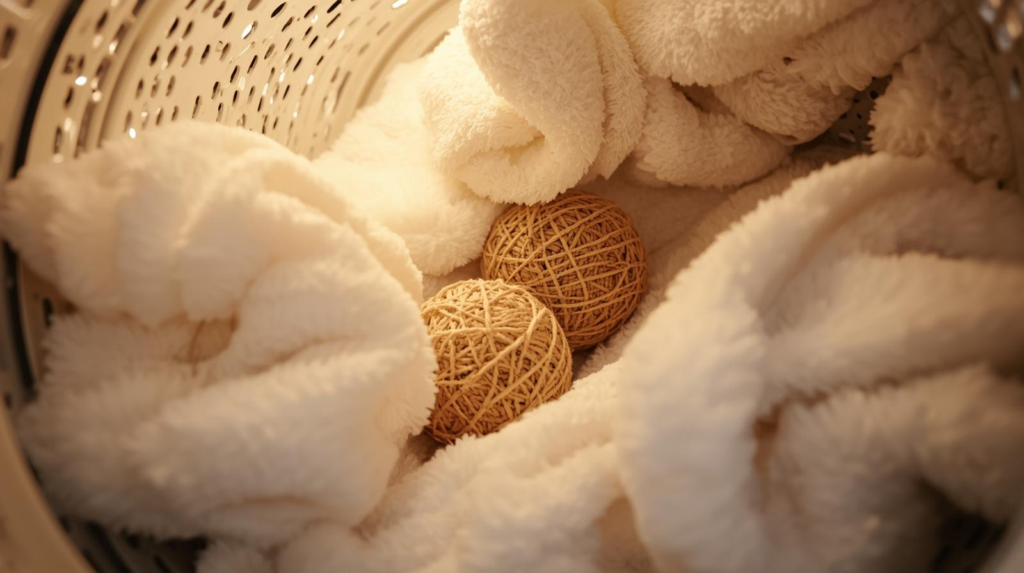
- Consider dryer balls to improve fluffing and reduce clumping during drying. (The Times)
6) Dry towels completely (this prevents the “musty” smell)
Dry towels thoroughly before folding or storing. Leaving them even slightly damp encourages mildew and persistent odors. (Restored CDC)
Drying tips that work:
- Shake towels out before drying so they don’t clump. (Southern Living)
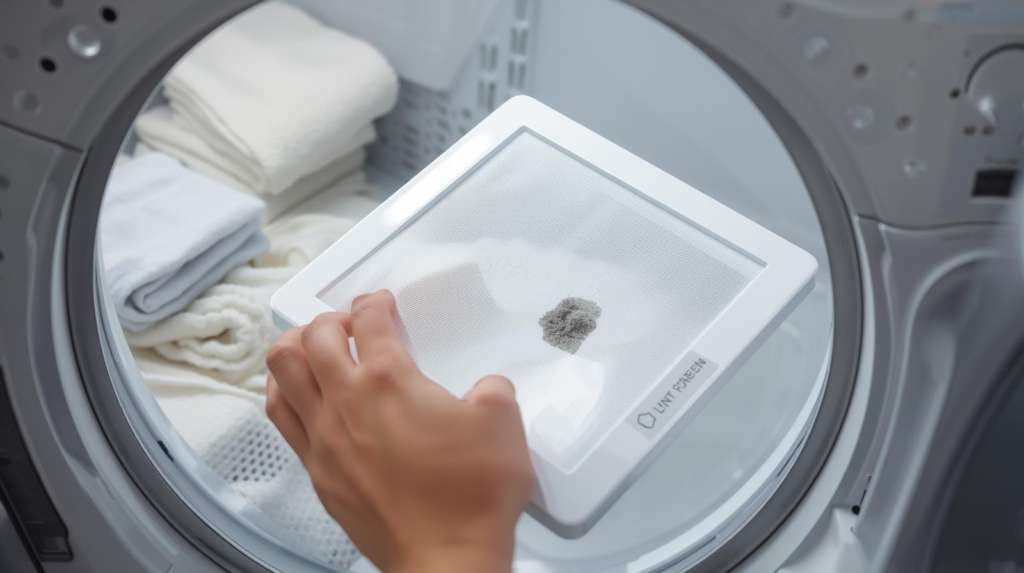
- Clean the dryer lint filter every load for better airflow and faster drying. (The Times)
- Avoid severe overdrying if softness is your main goal (it can make fibers feel harsher). (Southern Living)
7) If towels smell sour or feel stiff, do this rescue wash
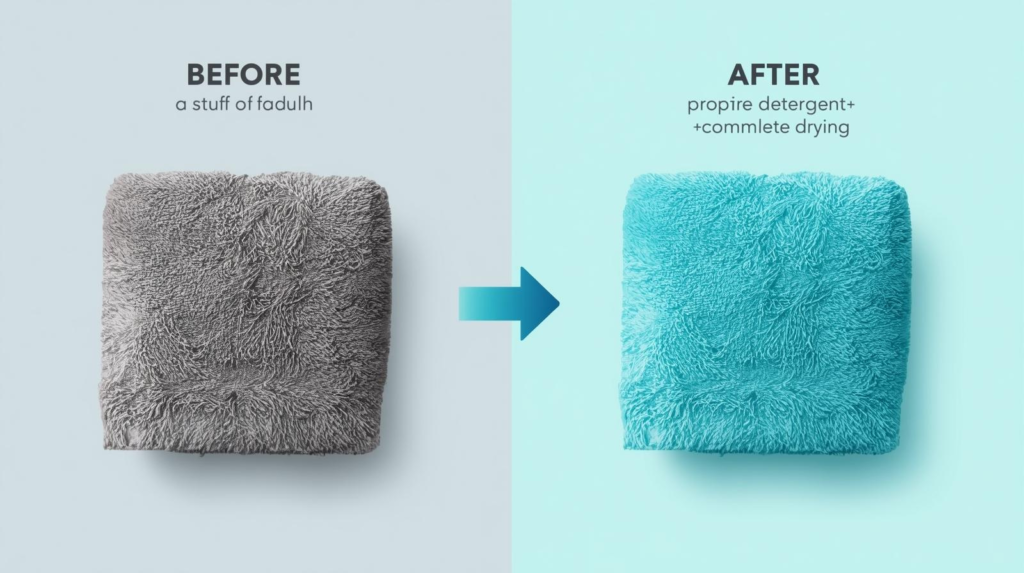
In most cases, stink + stiffness comes from detergent residue + trapped body oils + incomplete drying. Fix it with a reset that improves rinsing and oxidation (without “mystery chemical cocktails”). (The Spruce)
Rescue routine (generally safe for cotton towels—check labels):
- Wash towels in warm water with a measured amount of detergent and turn on Extra Rinse. (Cleaning Institute)
- Add a non-chlorine “oxygen bleach” (a peroxygen compound) if labels allow; it’s commonly used as a laundry booster and brightener. (Cleaning Institute)
- Dry completely.
About vinegar (popular, but use caution)
Some people use vinegar in laundry, but both appliance makers and consumer testing organizations warn that repeated vinegar use can damage rubber parts (seals/hoses) in some machines over time. If you try it, keep it occasional, well-diluted, and follow your washer manufacturer’s guidance—or use products designed for rinsing instead. (Whirlpool)
Quick towel-washing checklist
- Wash frequency: bath towels after 3–5 uses; washcloths after each use. (Cleaning Institute)
- Load size: don’t overload; give towels space to tumble. (Product Help | Whirlpool)
- Detergent: measure carefully; too much leaves residue. (Cleaning Institute)
- Temp: warm for routine; warmest appropriate + complete drying when you need more hygiene. (Restored CDC)
- Avoid: fabric softener (can reduce absorbency). (Cleaning Institute)
- Dry: fully dry before storing; clean lint filter. (Restored CDC)
Summary
To wash towels well, keep it simple: wash often enough, don’t overload, measure detergent, use warm water for routine loads, skip fabric softener, and dry completely. If towels smell or feel stiff, the fix is usually better rinsing (extra rinse + correct detergent), plus an occasional oxygen-bleach boost if labels allow—not piling on more “extras.”