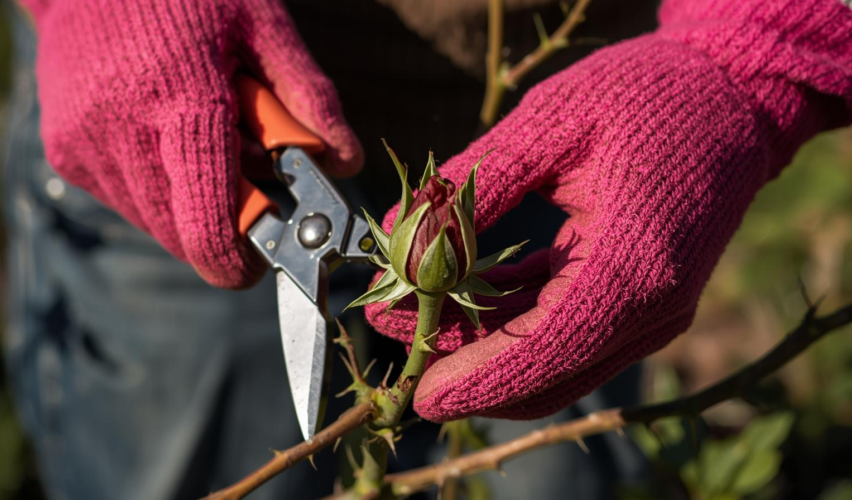
Pruning roses is mostly about removing unproductive wood, improving airflow, and directing new growth where you want it. Most roses respond best to a main prune in late winter/early spring as growth resumes (look for swelling buds), while once-blooming types are pruned right after flowering so you don’t cut off next year’s blooms, as explained in guidance from the Royal Horticultural Society (RHS) and echoed in extension resources that tie timing to bud swell and early-spring growth. (Yard and Garden)
Step 1: Identify what kind of rose you have
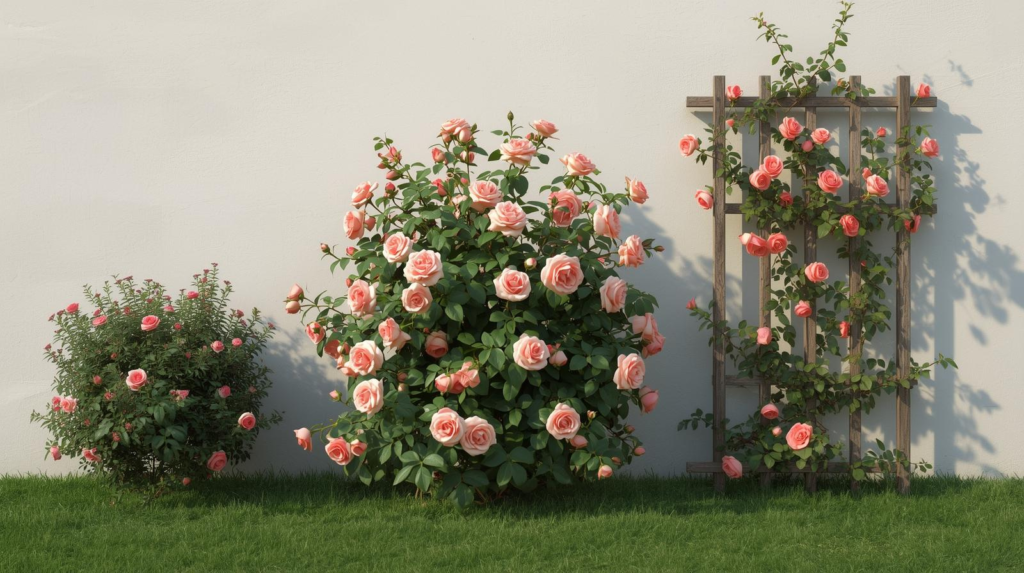
Pruning depends on whether your rose blooms on new wood (many modern repeat-bloomers) or old wood (many once-bloomers and some climbers/ramblers). A practical rule used across rose-care guidance is: repeat bloomers get their main prune in late winter/early spring, while once-flowering roses are pruned after bloom. (RHS)
Common categories you’ll see on plant tags:
- Modern bush roses: hybrid tea, floribunda, grandiflora (repeat bloomers)
- Shrub roses (some repeat, some once-blooming)
- Climbing roses (repeat or once; training matters as much as pruning)
- Ramblers/once-flowering climbers (typically bloom on older canes)
Step 2: Get the right tools (and keep them clean)
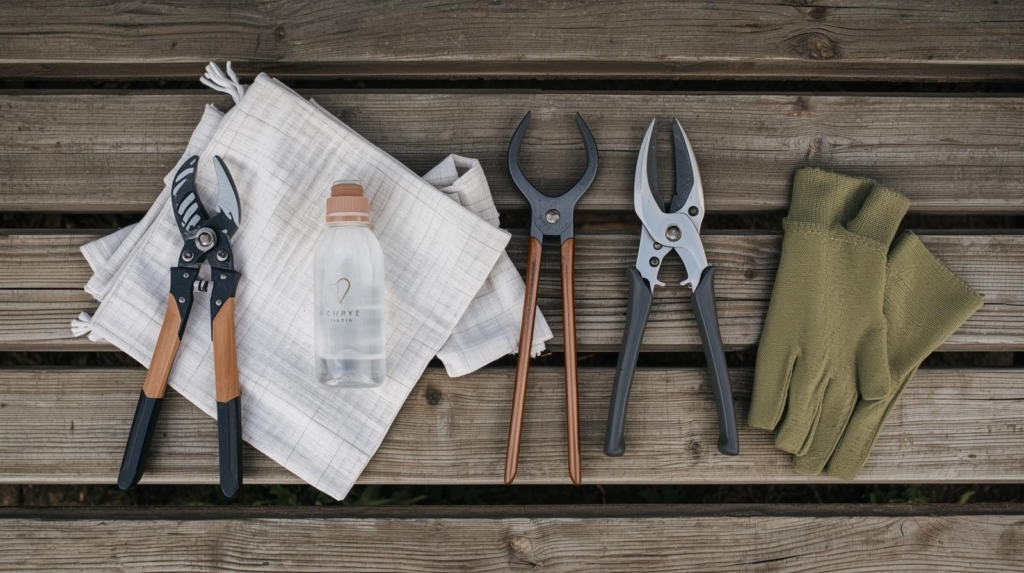
Use sharp bypass pruners for most cuts; add loppers for thick canes. Clean cuts heal better than crushed cuts, which is why rose guides consistently emphasize sharp tools. (Home & Garden Information Center)
If you’re pruning multiple roses (or any plant with disease), sanitize blades as you move plant-to-plant to reduce spread of pathogens—extension guidance recommends 70% isopropyl/ethanol alcohol for quick sanitation, or a 10% bleach solution (with corrosion cautions). (Yard and Garden)
Step 3: Prune at the right time
For most gardeners, the safest “universal” timing is:
- Main prune: late winter to early spring, as buds swell and growth is just resuming. (RHS)
- Avoid heavy fall pruning: it can trigger tender growth that’s more vulnerable to winter damage (light shortening of very long canes for wind protection is different from “real pruning”). (Yard and Garden)
- Once-blooming roses: prune after flowering so you don’t remove next season’s flowering wood. (David Austin Roses – US)
Step 4: Follow the “Four D’s” first (the foundation cut)
Start every rose the same way: remove the Four D’s—dead, dying, damaged, diseased wood—then remove rubbing/crossing canes. This sequence is standard in extension and master gardener instructions because it improves structure and reduces disease entry points. (OSU Extension Service)
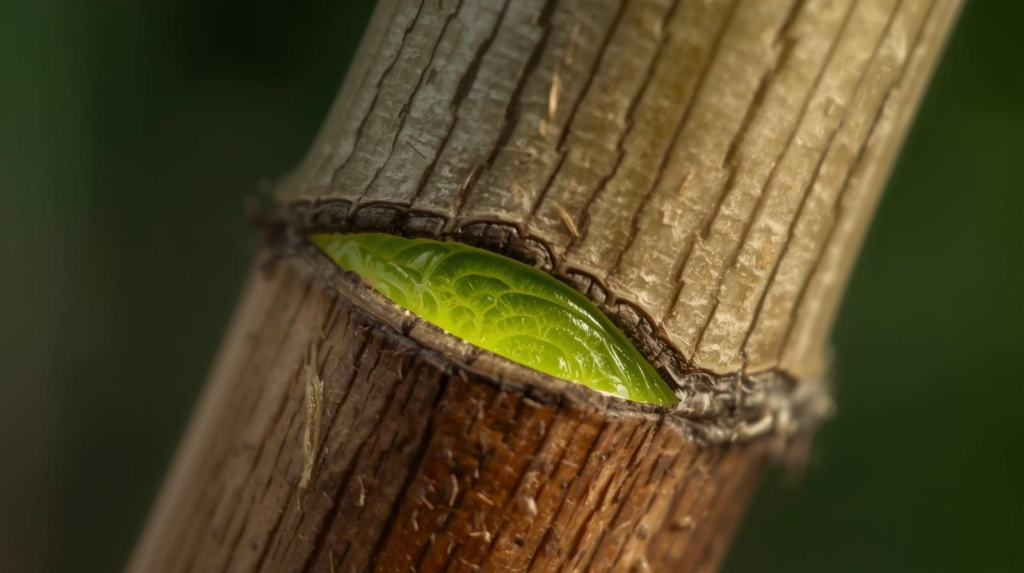
How to tell dead vs living cane:
- Scratch lightly: green/white tissue = alive, brown/dry = dead. (OSU Extension Service)
Step 5: Make correct pruning cuts (so growth goes where you want)
A reliable, widely taught cut is:
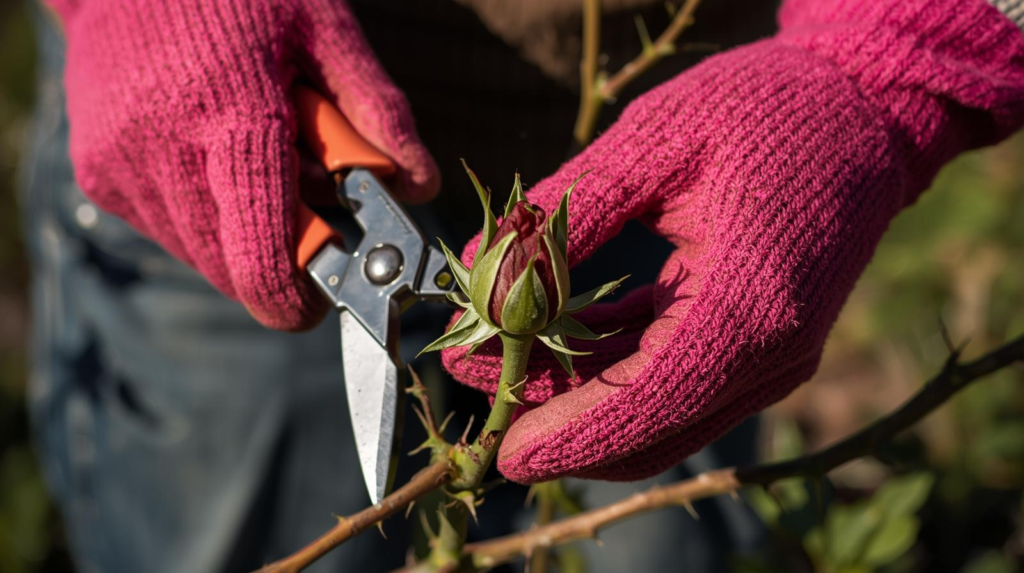
- Cut about 1/4 inch above an outward-facing bud, with a slanted (~45°) cut that sheds water away from the bud. (American Rose Society)
This outward-bud habit helps shape the plant so it grows outward instead of congesting the center (better light/air movement is a common goal in rose pruning guidance). (Yard and Garden)
Step 6: Shape by rose type (quick, practical cheat sheet)
A) Modern bush roses (hybrid tea, floribunda, grandiflora)
These are typically pruned in early spring as buds swell. (Home & Garden Information Center)
A common approach is to keep 3–6 strong canes, remove the rest, and cut the remaining canes back to roughly 12–18 inches (varies by vigor and climate). (OSU Extension Service)
If you want bigger blooms (fewer overall), prune harder; if you want more blooms (smaller), prune lighter—Clemson notes this tradeoff for modern reblooming roses. (Home & Garden Information Center)
B) Shrub roses
Shrub roses are often pruned more moderately: remove the Four D’s, thin congested growth, and reduce height for shape rather than “hard” cutting every cane. RHS shrub-rose guidance centers on late-winter pruning with summer deadheading. (RHS)
C) Climbing roses
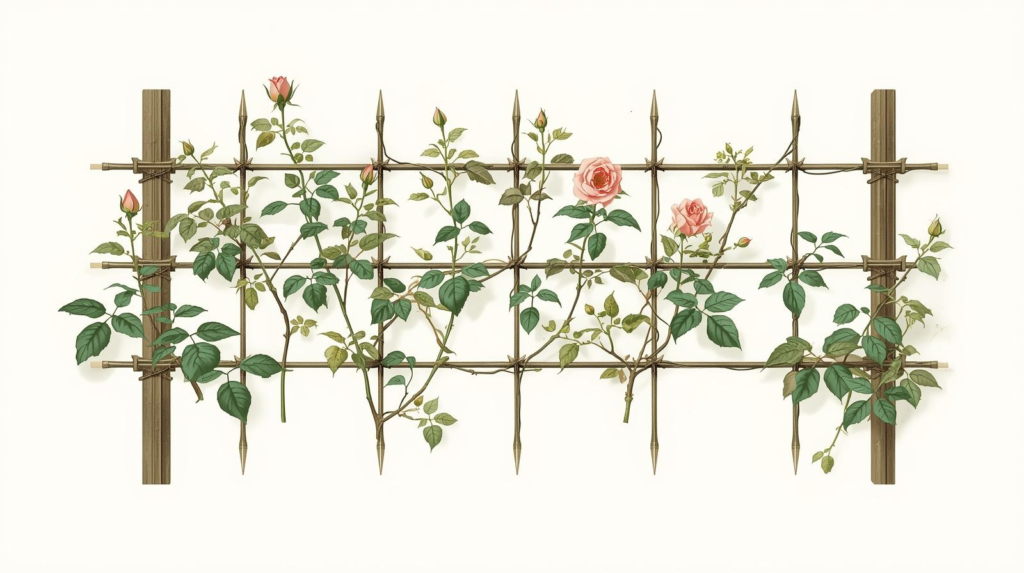
Climbers are usually pruned in winter (timing depends on type), but the big idea is: keep a framework of main canes and shorten side shoots (laterals) to encourage flowering along the structure. RHS describes routine winter pruning (often Dec–Feb in the UK) and emphasizes tying in long shoots to prevent wind damage and improve training. (RHS)
D) Once-flowering roses and many ramblers
Prune right after flowering because they typically bloom on older growth; pruning in winter can remove the wood that would bloom next season. This “after bloom” timing is highlighted in rose-care guidance for once-flowering types. (David Austin Roses – US)
Step 7: Don’t forget suckers (especially on grafted roses)
If you see a shoot coming from below the graft/bud union, remove it—suckers can overtake the intended variety. This is a standard instruction in rose pruning references and extension material. (UC Agriculture and Natural Resources)
Step 8: Clean up and aftercare
After pruning:
- Remove and discard pruned debris (especially diseased wood) to reduce pest/disease carryover, a cleanup step called out in pruning guidance. (UC Agriculture and Natural Resources)
- If your rose is a repeat bloomer, deadheading during the season can encourage more flowering; OSU Extension notes repeat bloomers tend to bloom more profusely when faded blossoms are removed. (OSU Extension Service)
Common mistakes to avoid
- Pruning once-bloomers in winter: you may remove next year’s flowers. (David Austin Roses – US)
- Leaving stubs: stubs die back and can cause problems; pruning guidance advises cutting back cleanly to a bud/lateral/base. (OSU Extension)
- Heavy pruning in fall: can stimulate growth that’s vulnerable to winter injury. (Yard and Garden)
- Skipping tool sanitation during disease issues: increases the chance of spreading pathogens between plants. (Yard and Garden)
Summary
Prune roses by timing it right (usually late winter/early spring for repeat bloomers, after flowering for once-bloomers), starting with the Four D’s, and making clean cuts about 1/4 inch above an outward-facing bud. Keep a few strong canes, remove crossing growth and suckers, sanitize tools as needed, and clean up debris afterward.