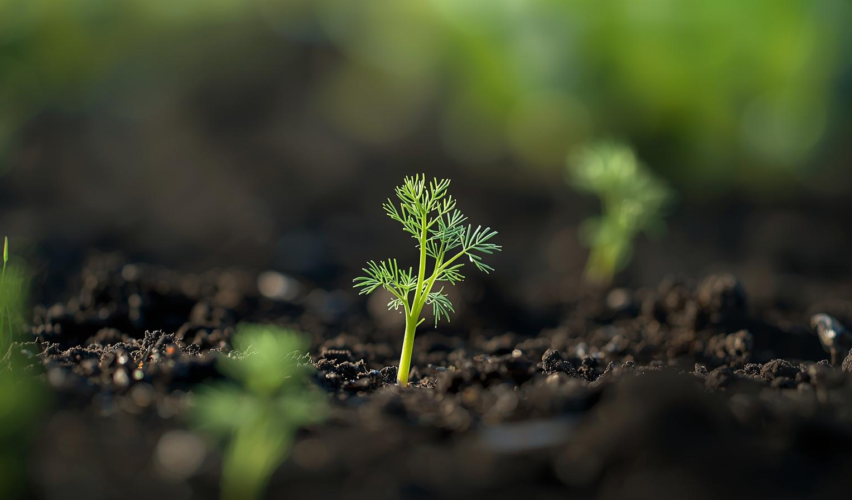
Dill is a fast-growing annual herb that’s easiest to grow by direct-sowing seeds where it will live. The main reasons: it develops a long taproot and doesn’t love being transplanted, and it bolts (flowers) faster when it’s stressed. (University of Minnesota Extension)
Pick the right spot: sun, drainage, and wind protection
Dill performs best with:
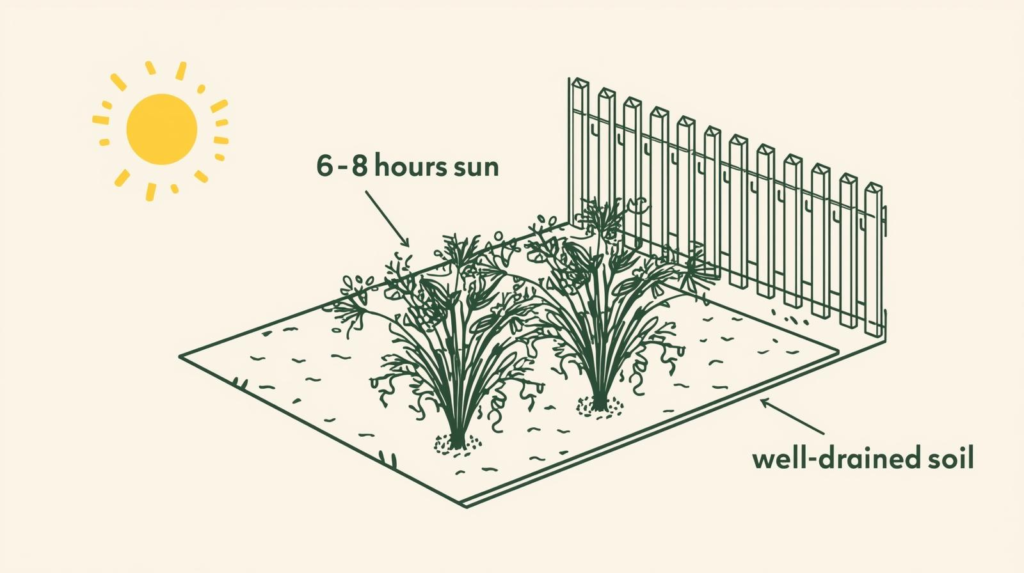
- Full sun (6–8+ hours/day) for strong growth and good flavor. (University of Minnesota Extension)
- Well-drained soil (sandy/loamy is ideal); amend heavy clay with organic matter or use a raised bed. (UC Agriculture and Natural Resources)
- Shelter from strong wind, because dill’s tall, hollow stems can flop or snap. (University of Minnesota Extension)
When to plant dill
For most gardens:
- Sow outdoors after the danger of spring frost has passed. (University of Minnesota Extension)
- For a continuous supply of fresh “dill weed,” re-sow every 4–6 weeks through the cooler parts of the season. (Utah State University Extension)
Step-by-step: sow dill seeds the easy way
Step 1: Direct sow at the right depth
Sow seeds about ¼ inch deep, then cover lightly. (Utah State University Extension)
Step 2: Keep soil evenly moist until sprouting
Dill typically germinates in roughly 7–21 days depending on soil temperature and conditions. (Utah State University Extension)
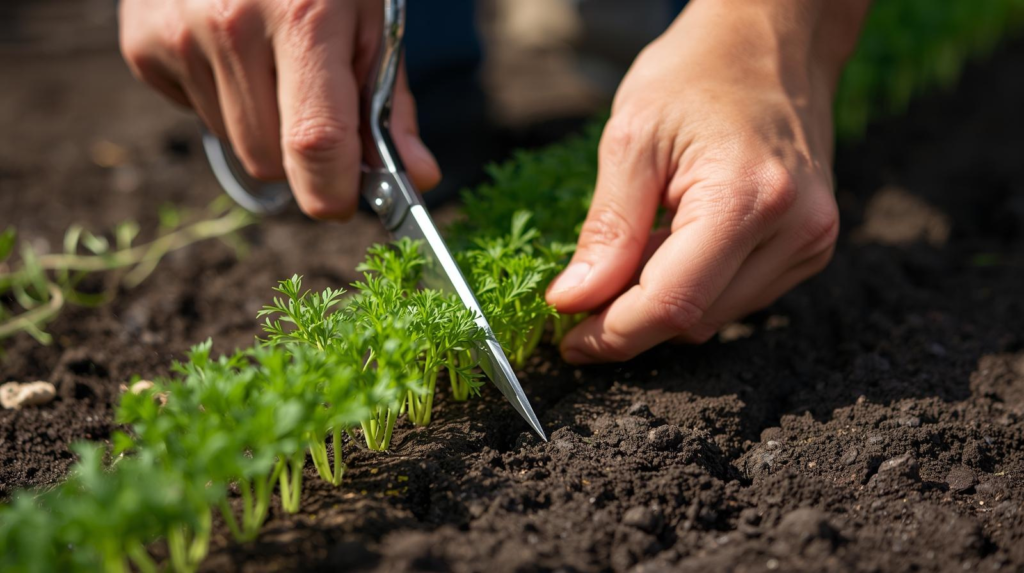
Step 3: Thin for airflow and sturdy plants
After seedlings emerge, thin to about 9–12 inches apart (spacing recommendations vary a bit by guide, but this range works well for most varieties). (Utah State University Extension)
Watering and feeding (keep it simple)
- Water consistently so the root zone stays moist but not soggy—especially during germination and hot spells. (Alabama Cooperative Extension System)
- If your soil is reasonably fertile, dill often needs little or no fertilizer; too much nitrogen can push floppy growth. If you do feed, keep it light. (Better Homes & Gardens)
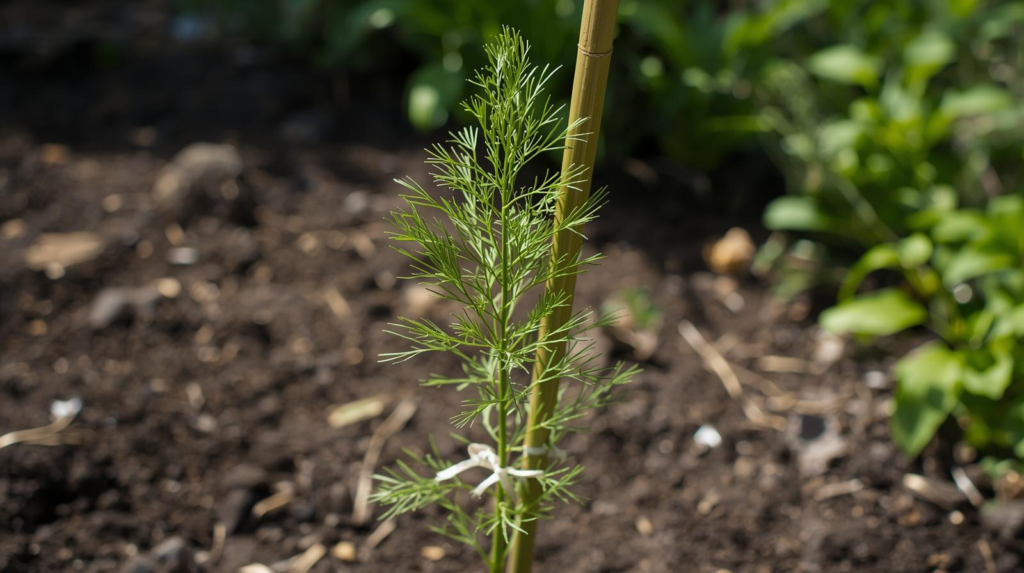
Tip: If your dill flops, it’s often a mix of rich soil + shade + wind. More sun and a simple stake can fix it. (University of Minnesota Extension)
Growing dill in containers (patio-friendly)
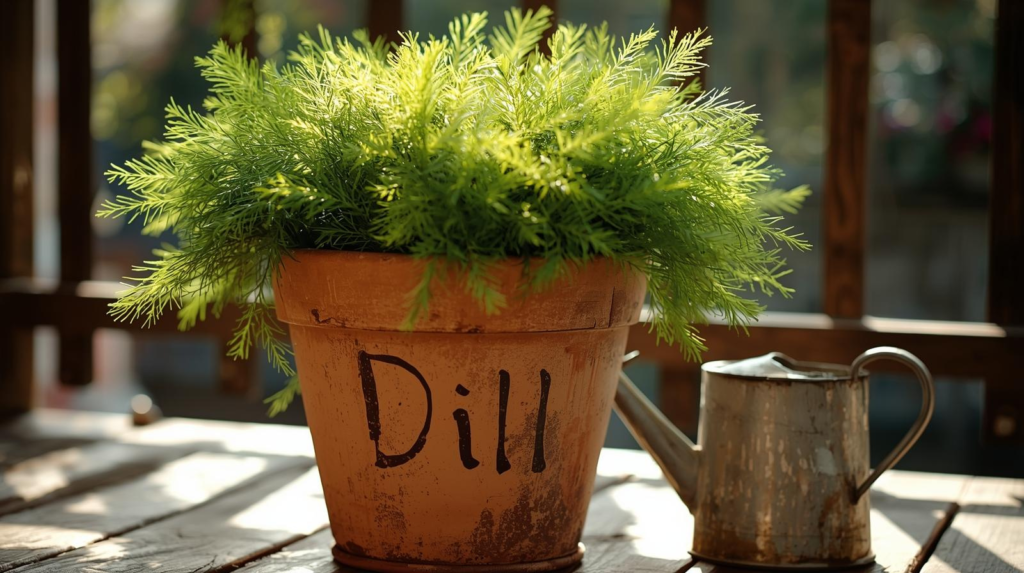
Dill can grow well in pots if you plan for its taproot:
- Use a container at least 12 inches (30 cm) deep with drainage holes. (RHS)
- Direct sow into the container rather than transplanting, when possible. (RHS)
How to prevent (or delay) bolting
Bolting is normal—dill is programmed to flower and set seed, especially in heat. To keep leaves coming longer:
- Succession plant every few weeks so you always have young plants. (Utah State University Extension)
- Avoid overcrowding (thin properly) and keep watering consistent; stress and crowding can promote early bolting. (Utah State University Extension)
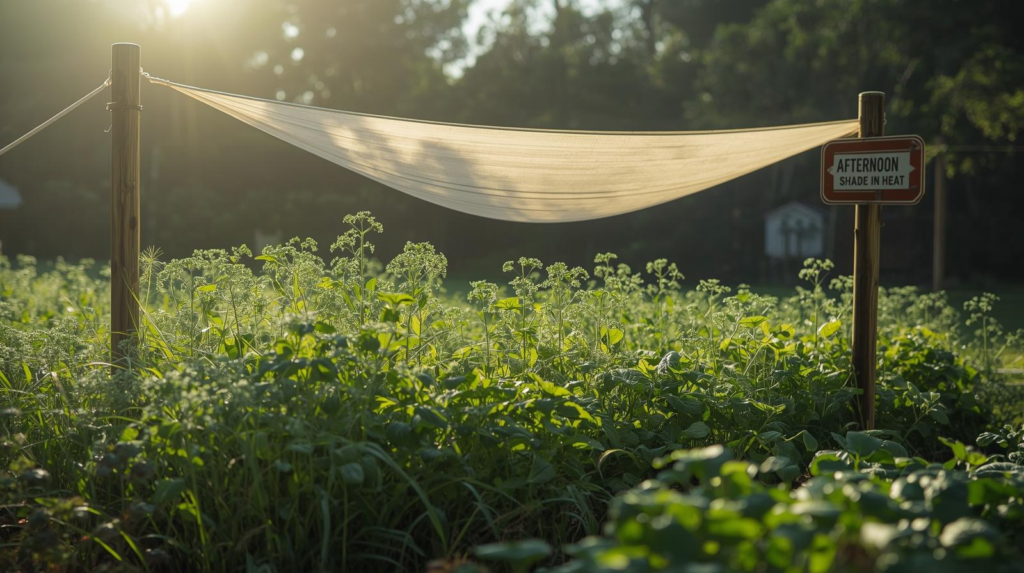
- In very hot climates, give afternoon shade to slow stress (you’ll trade a bit of growth speed for longer leaf production). (Utah State University Extension)
Harvest dill leaves, flowers, and seeds
Harvesting leaves (“dill weed”)
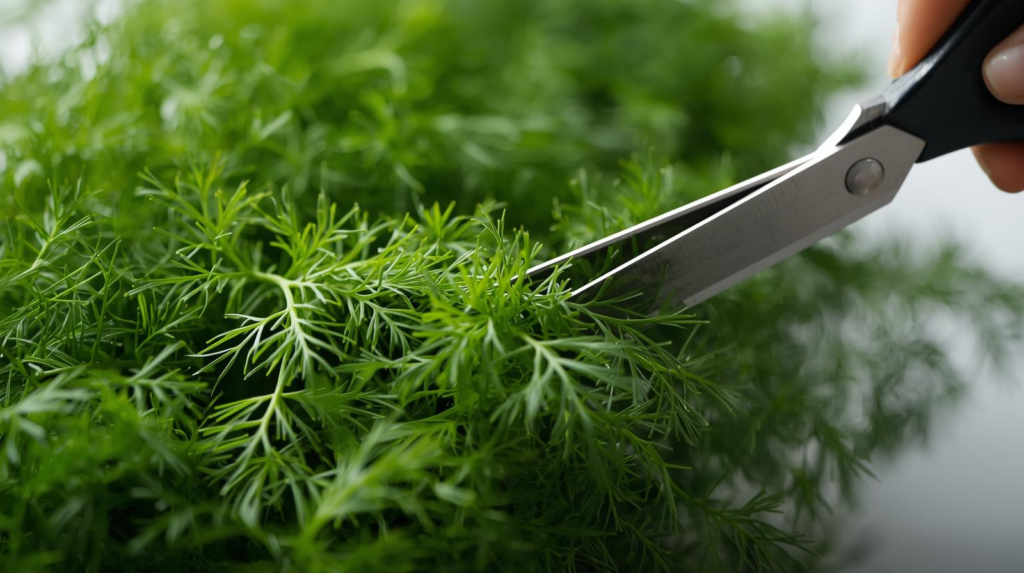
- Start harvesting once plants are about 6 inches tall and have multiple leafy stems. (The Spruce)
- For best flavor, many gardening guides recommend harvesting before flowers fully open, when aromatic oils are high. (UC Agriculture and Natural Resources)
- Don’t take more than about one-third of the plant at a time if you want it to keep growing. (Better Homes & Gardens)
Harvesting flowers
Dill flowers are edible and also excellent for beneficial insects. If your goal is leaves, you can pinch off early flower heads to delay the end of leaf production—but if you want seeds, let the flowers mature. (Better Homes & Gardens)
Harvesting seeds (for cooking or saving)
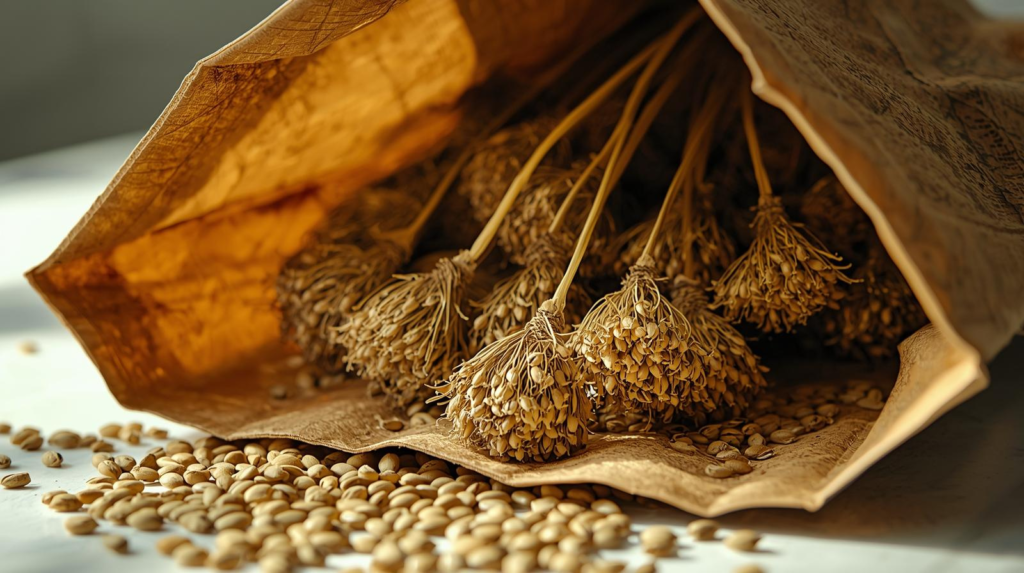
- Seeds are harvested as the umbels mature and dry; many guides describe cutting seed heads when seeds turn tan to brown, then drying them in a paper bag so seeds drop cleanly. (University of Minnesota Extension)
Pests and “helpers” you should expect
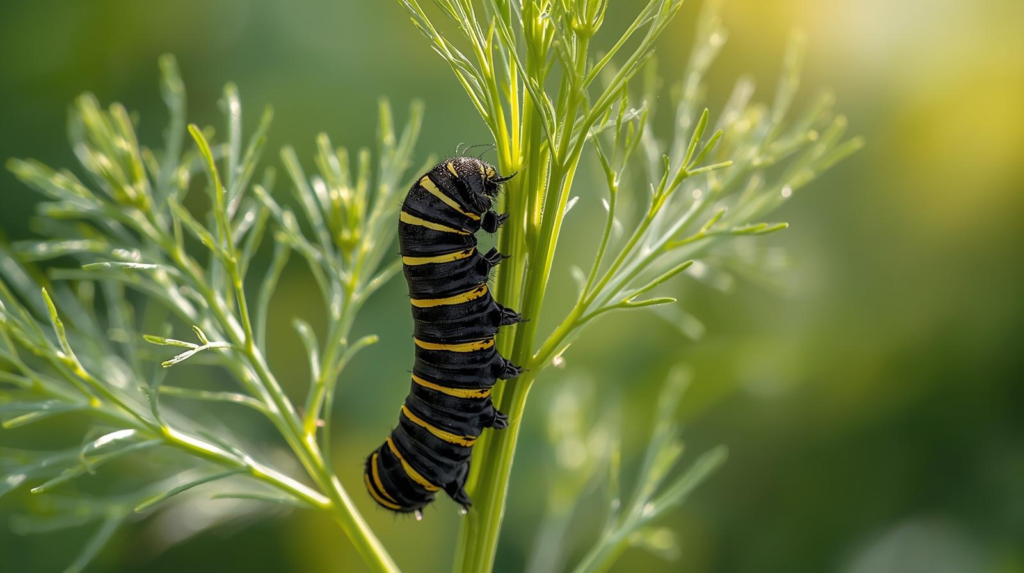
Dill is well-known for attracting pollinators and beneficial insects, and it’s also a host plant for black swallowtail caterpillars (sometimes called parsley worms). Seeing caterpillars is normal—decide ahead of time whether you’re okay “sharing” some plants. (NCE Gardener Toolbox)
Storing and preserving dill
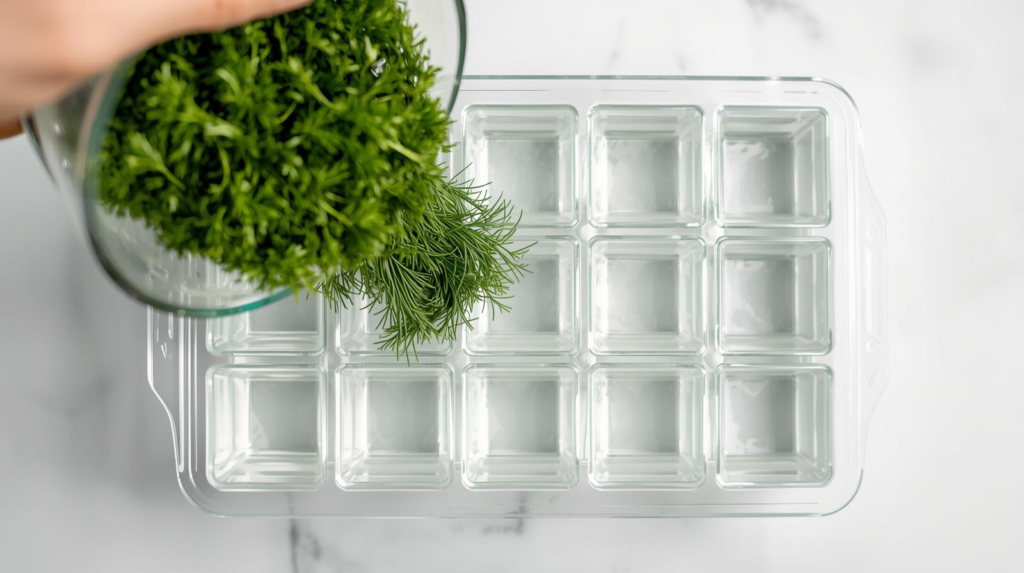
- Fresh dill can be preserved well by freezing (whole sprigs or chopped), including freezing in ice cube trays. (Purdue University – Extension)
- If you dry dill, expect the flavor to change—drying concentrates some notes but loses some of the fresh “green” aroma (freezing usually keeps it closer to fresh). (The Spruce)
Summary
To grow dill successfully: direct sow after frost, give it full sun and well-drained soil, thin to about 9–12 inches, and succession plant every 4–6 weeks to stay ahead of bolting. Harvest leaves once plants are ~6 inches tall, and let some plants flower if you want seeds (or to support beneficial insects and swallowtails). (University of Minnesota Extension)