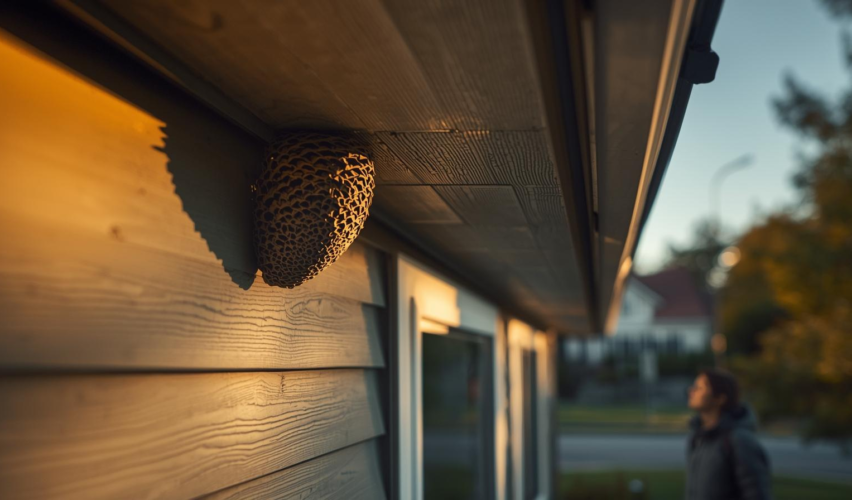
Wasps can be beneficial predators in gardens and yards, but a nest near doors, patios, play areas, or work zones raises the risk of painful (and sometimes dangerous) stings. Guidance from sources like Penn State Extension and the University of California IPM Program emphasizes choosing the lowest-risk option first and avoiding actions that provoke defensive swarming.
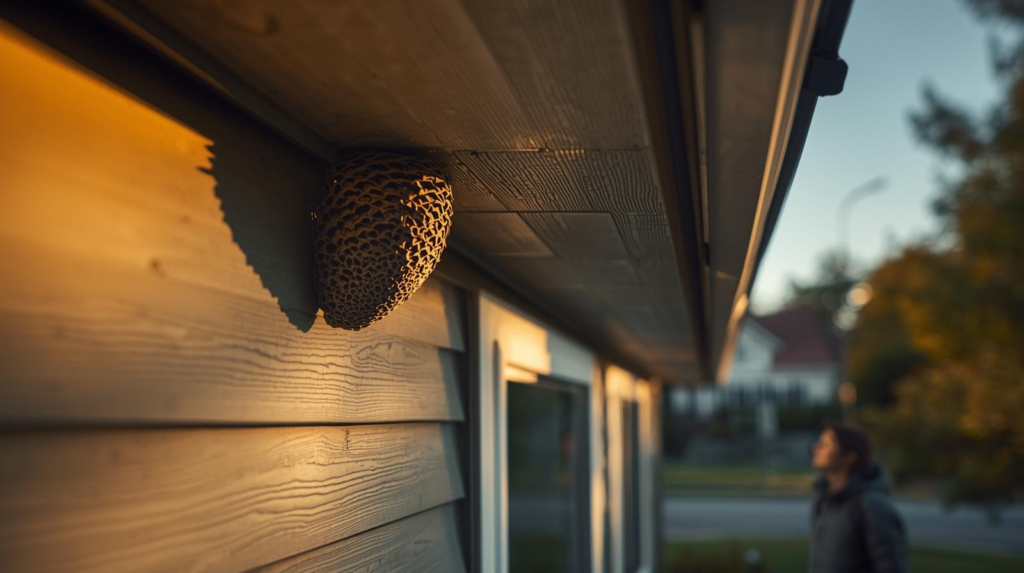
Step 1: Decide if you actually need to remove the nest
In many cases, you don’t need immediate removal: social wasp colonies are seasonal, and extension guidance often notes that late-season nests are temporary and can sometimes be left alone if they’re far from people (context: Penn State Extension and general social-wasp safety notes from the University of Maryland Extension). If the nest is not near where people/pets move and you can avoid it, “leave it alone” can be the safest plan (UC IPM: don’t disturb nests; UMD Extension safety guidance).
You should remove (or hire removal) if it’s in a high-traffic area, inside a wall/attic/void, or if anyone in the household is at high risk for severe allergic reactions (risk context and emergency steps: ACAAI insect sting allergy guidance and AAAAI anaphylaxis guidance).
Step 2: Identify what you’re dealing with (fast, practical clues)
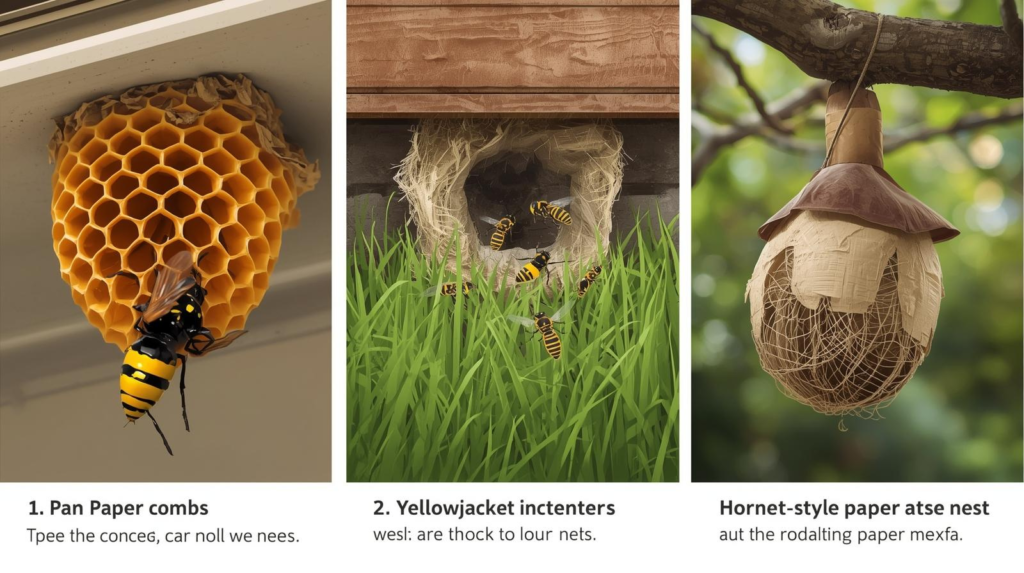
Correct ID matters because nest location predicts how risky removal will be. The UC IPM descriptions are especially practical for homeowners: yellowjackets commonly nest in the ground or wall voids, while paper wasps build open-cell “umbrella” combs under eaves. UC IPM also notes that heavy traffic into a hole in the ground or into a building suggests a hidden nest you shouldn’t disturb (UC IPM: “Don’t disturb nests”).
Step 3: Do the safety setup (this prevents most disasters)
Most stinging incidents happen when people accidentally trigger defense behavior. Practical recommendations from Penn State Extension and UMD Extension include waiting until evening/early morning for treatments and avoiding actions like mowing or striking areas near nests that can provoke swarming.
Use these basics:
- Work when activity is lower (often evening/early morning), as described by Penn State Extension and reinforced in similar extension guidance such as PSU’s European paper wasp notes.
- Keep an escape route and avoid risky ladder positioning; many extension resources emphasize that height and confined spaces raise danger (context: UMD Extension safety warnings; UC IPM “don’t disturb nests” guidance).
- If you use a pesticide product, follow the label exactly—because the EPA explains that pesticide labels are legally enforceable (“the label is the law”).
Step 4: Choose the right removal approach
Option A (lowest risk): Wait it out, then remove the inactive nest
If the nest is away from people and you can avoid it, waiting until it’s inactive can be safer than any active removal (general risk-reduction guidance: UMD Extension; “don’t disturb nests” emphasis from UC IPM). Once inactive, you can remove and dispose of the nest and clean the attachment area to discourage rebuilding (general homeowner guidance context: Penn State Extension).
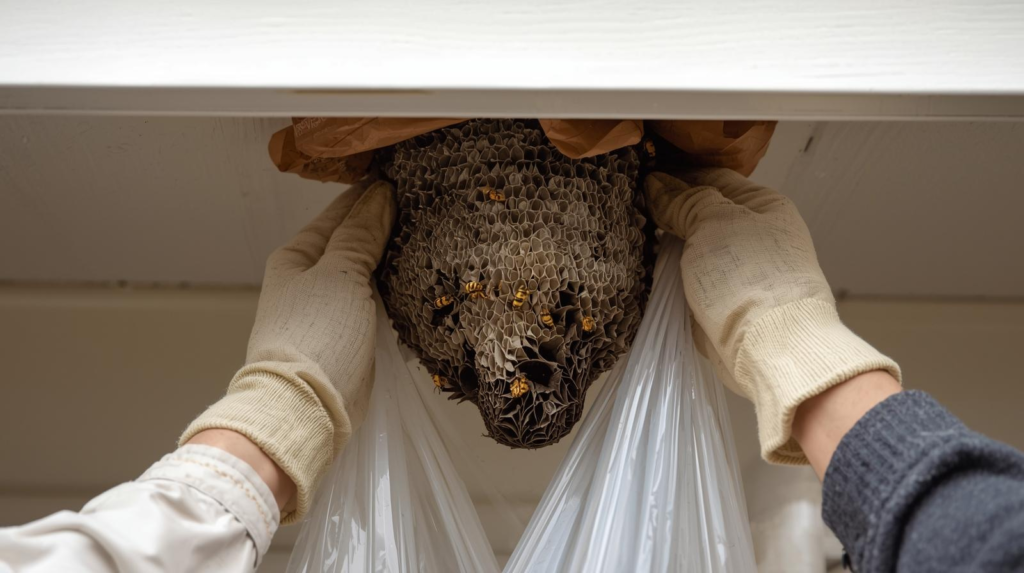
Option B: DIY treatment for a small, exposed paper-wasp nest (best DIY case)
This is the most realistic DIY scenario if the nest is small, exposed, and reachable without climbing high or entering confined spaces (homeowner-oriented guidance: Penn State Extension and nest-ID/location notes from UC IPM).
- Treat at a time when activity is typically lower (often evening/early morning), as advised by Penn State Extension and similar PSU guidance on timing in the European paper wasp article.
- Use only a product labeled for wasps and follow its directions—because the EPA stresses labels are legally enforceable and contain the safety/legal directions for use.
- Re-check the next day; if there’s still activity, follow label instructions for any re-application (label compliance principle: EPA label basics).
- After activity stops, remove and bag the nest and clean the area (general homeowner approach:Penn State Extension).
Option C: Ground nests and wall voids (yellowjackets) — usually call a pro
Yellowjackets commonly nest in the ground and inside wall cavities, which makes DIY control riskier and harder to do safely (UC IPM yellowjacket nesting sites; UC IPM warning about nests indicated by traffic into holes/buildings). Many public-health/IPM resources also note yellowjackets can defend nests vigorously and sting repeatedly, increasing the risk of multiple stings (see the UCSF Western States PEHSU yellowjacket IPM notes PDF and general safety cautions from UMD Extension).
If the nest is in the ground near a walkway or inside a structure, hiring a licensed professional is often the safest option (risk rationale: UC IPM “don’t disturb nests”; examples of professional-control approach and homeowner caution in programs like the MS Mosquito District yellowjacket program page).
Option D: Large aerial nests — call a pro
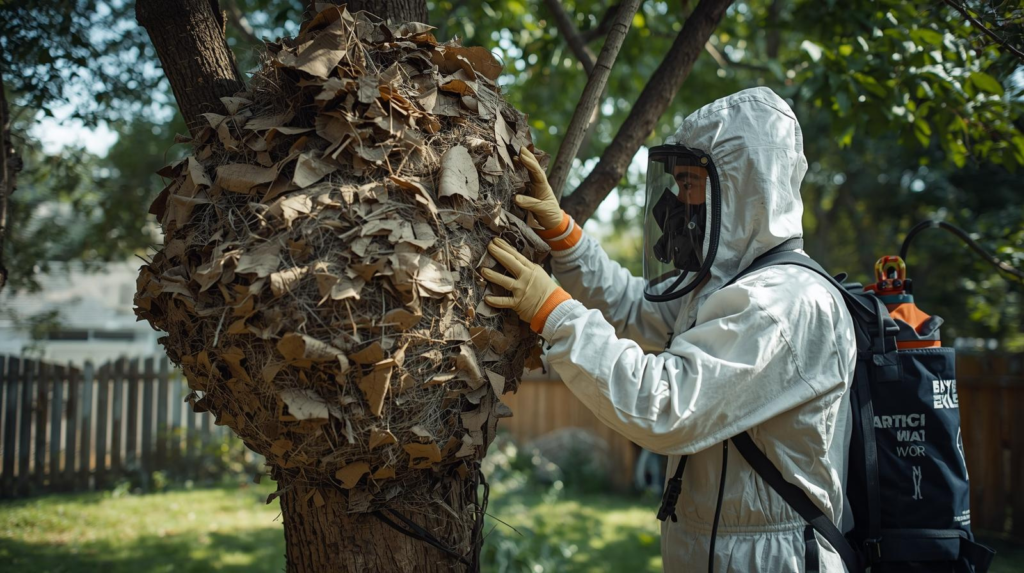
Large enclosed paper nests (often called hornet-type nests) can contain many defensive workers, and removal often involves height and protective equipment. Extension guidance frequently recommends avoiding disturbance and using professional help when a nest is in a conflict area (safety framing: UMD Extension; general “don’t disturb nests” guidance: UC IPM).
Step 5: Clean up and prevent a repeat
Prevention is mostly food management and blocking nesting opportunities:
- Reduce attractants like open garbage, uncovered sweet drinks, and fallen fruit—steps emphasized by UC IPM’s prevention checklist and echoed by extension-style guidance such as the UMD Extension social wasps page.
- Do regular checks during warm months and address tiny starter nests early (risk management framing: Penn State Extension; general nesting-season monitoring logic appears in plans like the Texas A&M school IPM action plan).
- If using any pesticide product as part of prevention or control, treat theEPA’s pesticide label guidance as your primary “how-to,” because the label is the legal and safety document.
What not to do (it often backfires)
- Don’t burn nests or use gasoline/flammables. Aside from obvious fire danger, this is not a safe or controlled method compared to using prevention and label-directed products; public agencies stress safe, legal use of pesticides and hazard reduction (label/safety principle: EPA pesticide label basics; disturbance warnings: UC IPM).
- Don’t swat at wasps or violently disturb a nest area. UC IPM specifically advises staying calm and avoiding actions that provoke stings, including not swatting and not disturbing nests (UC IPM guidance).
If you get stung: what to do and when it’s an emergency
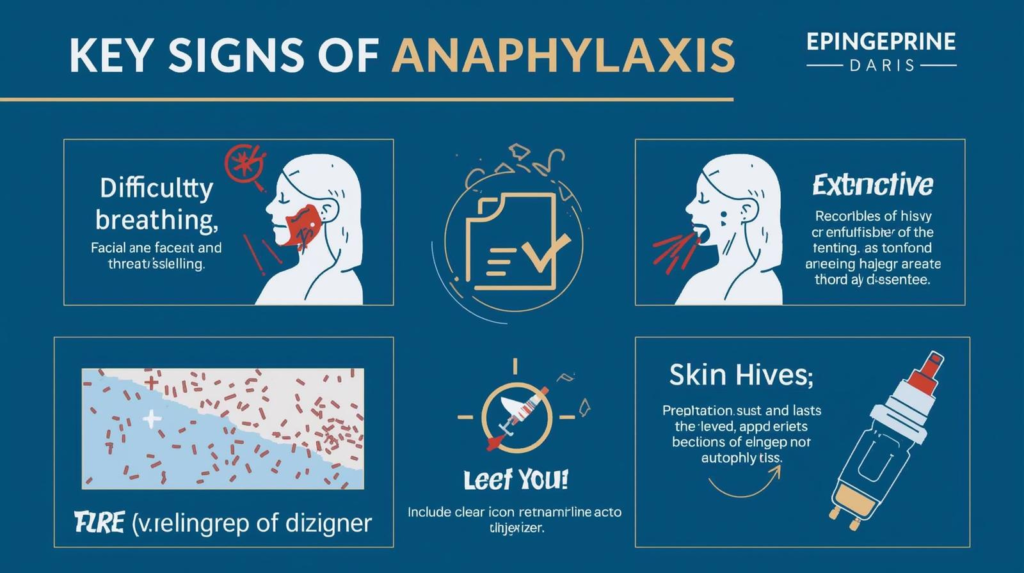
Most stings cause local pain and swelling, but anaphylaxis is life-threatening. Allergy organizations advise that at the first sign of anaphylaxis you should use epinephrine (if prescribed) and call emergency services (ACAAI insect sting allergy guidance;AAAAI anaphylaxis guidance). Medical references describe warning signs like breathing difficulty, swelling of the lips/tongue/throat, widespread hives, dizziness, and low blood pressure as emergency symptoms (Cleveland Clinic anaphylaxis overview).
Summary
To get rid of wasps safely, start by deciding whether you can avoid the nest and leave it alone (often the safest choice), then identify the nest type and location using practical cues from resources like UC IPM. Small, exposed paper-wasp nests are the most DIY-friendly; ground nests, wall-void nests, and large aerial nests are the situations where extension/IPM guidance most strongly supports professional help and strict avoidance of disturbance (Penn State Extension;UMD Extension;UC IPM). If you use any pesticide product, treat the EPA’s label guidance as non-negotiable instructions, and take sting allergy risk seriously with emergency steps supported by ACAAI and AAAAI.