Most glass shower doors look “dirty” for two reasons: soap scum (soap reacting with minerals in hard water) and mineral deposits left behind when water evaporates. The U.S. Geological Survey explains that hard water is rich in dissolved calcium and magnesium, and those minerals are what create the film and spotting you see on glass and fixtures (see the USGS on water hardness and why soap can form scum in hard water in this USGS FAQ).
What to use (and what to avoid)
Grab these basics
- Microfiber cloths (2–3)
- Non-scratch sponge (white “non-abrasive” style)
- Dish soap
- Spray bottle
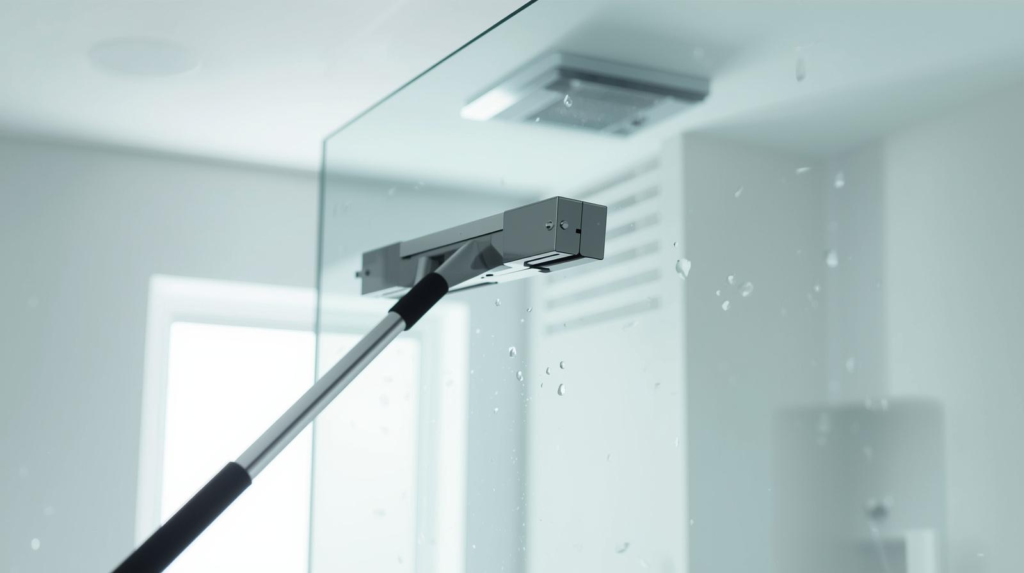
- A small squeegee (daily maintenance)
Daily squeegeeing and wiping is one of the most effective prevention steps recommended by the American Cleaning Institute’s bathroom tips and manufacturers like DreamLine (see their glass care notes on wiping/squeegeeing after each use).
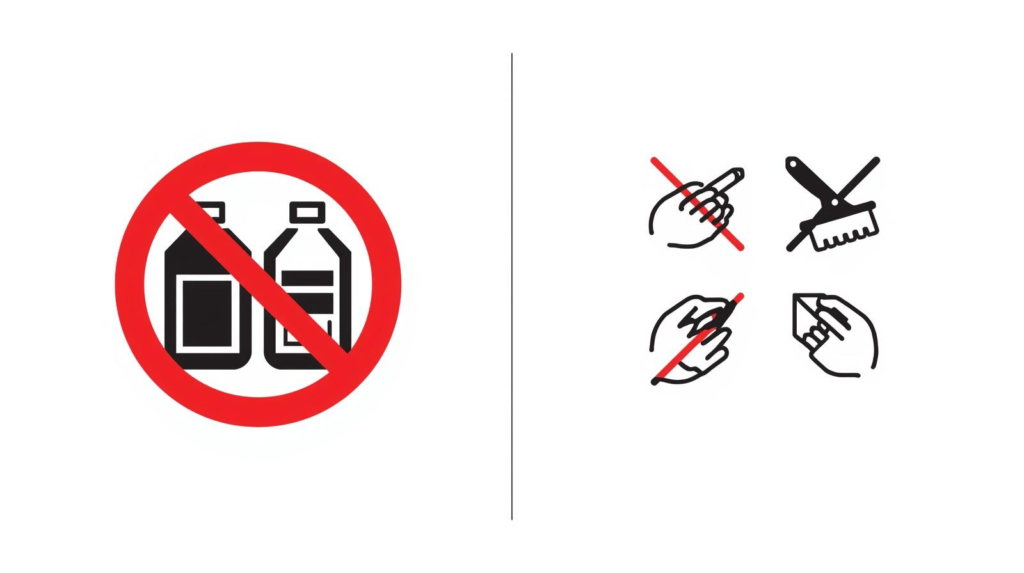
Avoid these (they cause scratches, etching, or worse)
- Abrasive pads, scouring powders, or bristle brushes on glass (DreamLine explicitly warns to never use abrasive cleaners or abrasive sponges/brushes on shower glass in its product maintenance guidance).
- Strong acids on coated/specialty glass unless the manufacturer says they’re safe (Guardian’s ShowerGuard care guidance emphasizes soft cloth cleaning, rinsing/drying, and cautions against harsh/abrasive approaches in its care and cleaning guidelines PDF).
- Acidic cleaners on natural stone (if your shower has marble/travertine/limestone): the Natural Stone Institute warns that vinegar/lemon/acidic products can etch/dull calcareous stone.
- Mixing chemicals (especially bleach + anything): the CDC and the Washington State Department of Health both warn never to mix bleach with other cleaners (including acids like vinegar) due to dangerous fumes.
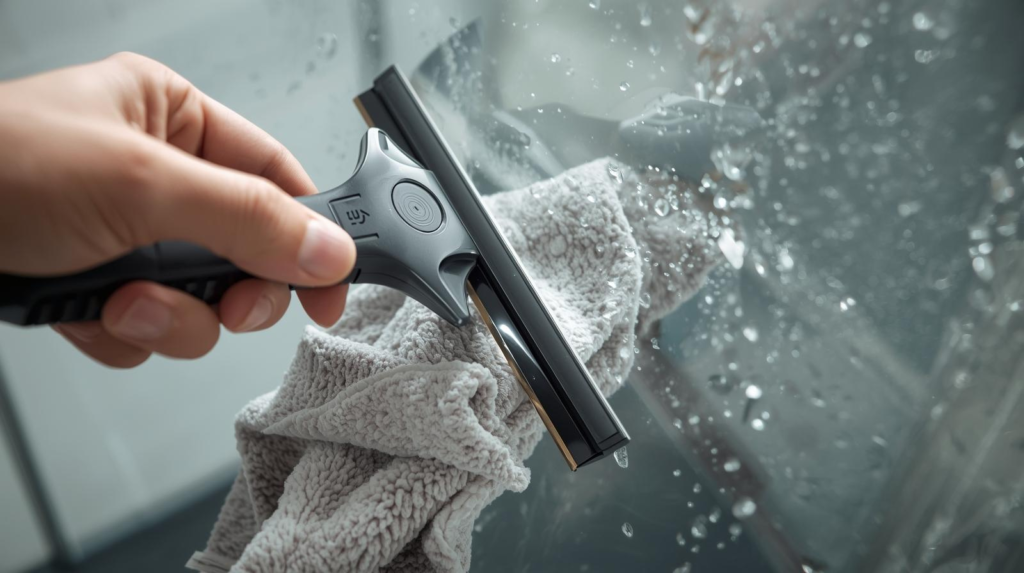
Step 1: Do a 60-second “after shower” routine (prevents 80% of buildup)
- Rinse the glass with the shower head for 10–15 seconds.
- Squeegee top to bottom, then wipe edges with a microfiber cloth.
- Leave the door open for airflow.
This exact “dry it out” habit is recommended in the American Cleaning Institute’s bathroom cleaning tips, and DreamLine notes that drying prevents soap buildup and water spots—adding that hard water can even etch glass over time if left to dry in its maintenance guidance.
Step 2: Weekly clean for normal grime (safe for most glass)
This is your “regular reset” for light haze and soap residue.
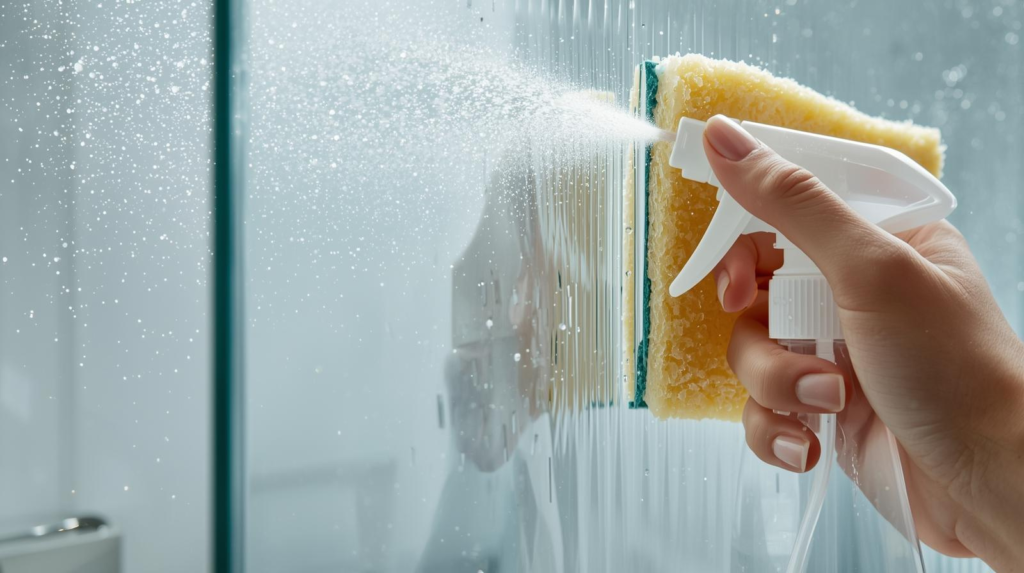
- Spray warm water + a few drops of dish soap onto the glass (or apply soapy water with a sponge).
- Wipe gently with a microfiber cloth or non-scratch sponge.
- Rinse thoroughly (leftover soap can streak).
- Dry completely with a clean microfiber towel.
Why it works: you’re lifting oils and residue first, which makes mineral removal easier afterward (and it matches the “gentle first” approach many shower-door makers emphasize, like DreamLine’s “wipe after each use” and “never use abrasives” in their care guidance).
Step 3: Remove hard-water spots and soap scum (choose the safest option for your shower)
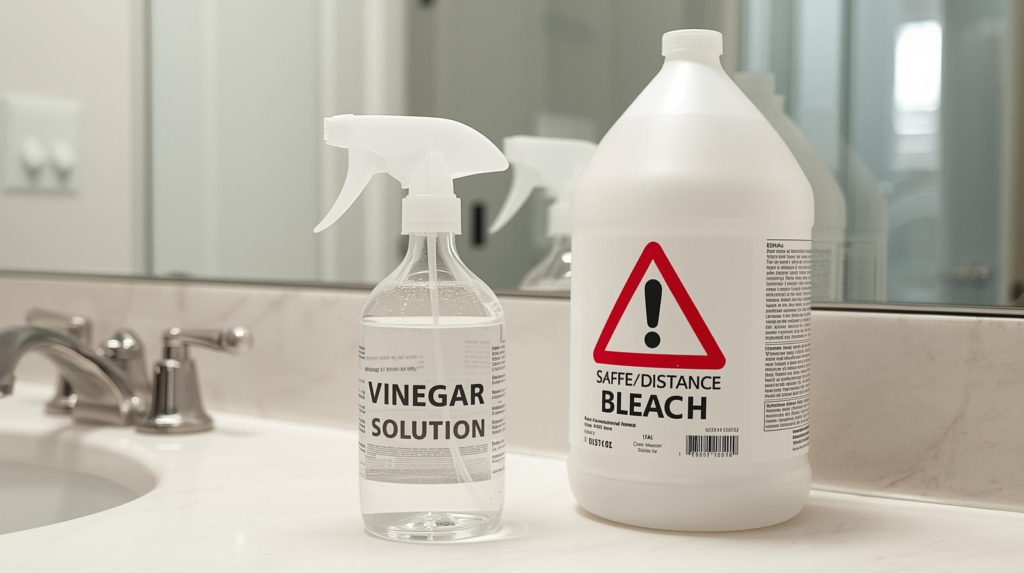
Option A: Vinegar method (only if you don’t have natural stone nearby)
Vinegar’s mild acidity can dissolve mineral scale—but keep it off marble/travertine/limestone, as warned by the Natural Stone Institute.
- Spray diluted vinegar (start mild) on the glass.
- Let it sit briefly.
- Wipe gently.
- Rinse very well and dry.
Safety note: Do not use vinegar anywhere near bleach or a bleach-based product—both the CDC and the Washington State Department of Health warn that mixing bleach with acids can release dangerous gas.
Option B: Non-abrasive “polish” paste (good when you want to avoid strong chemicals)
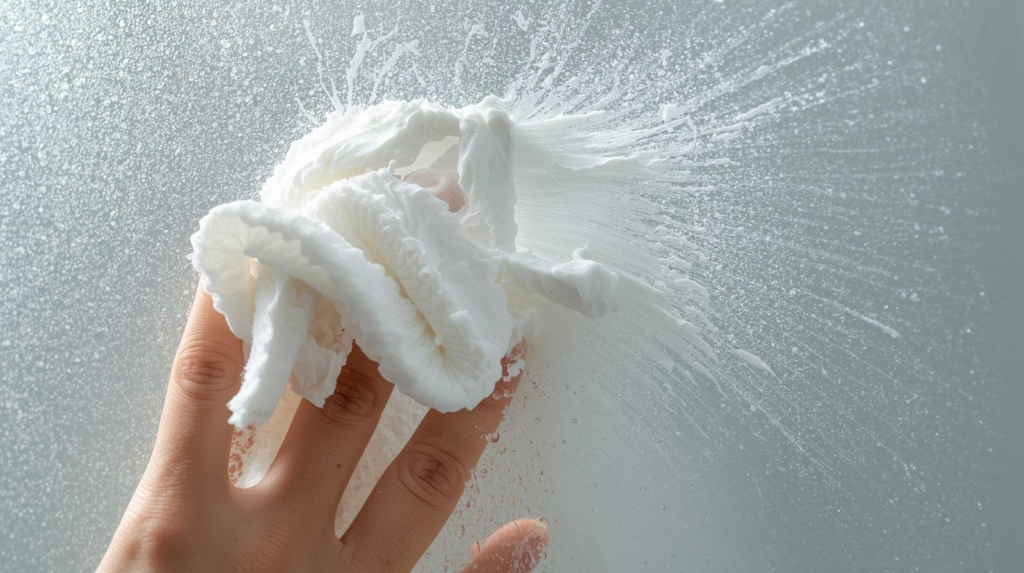
A gentle paste (like baking soda + water) can help lift stubborn haze without harsh solvents—but scrub lightly and avoid anything that feels gritty enough to scratch.
This aligns with the general “avoid abrasives” emphasis from shower-door manufacturers like DreamLine (see their warning against abrasive cleaners and pads in product maintenance).
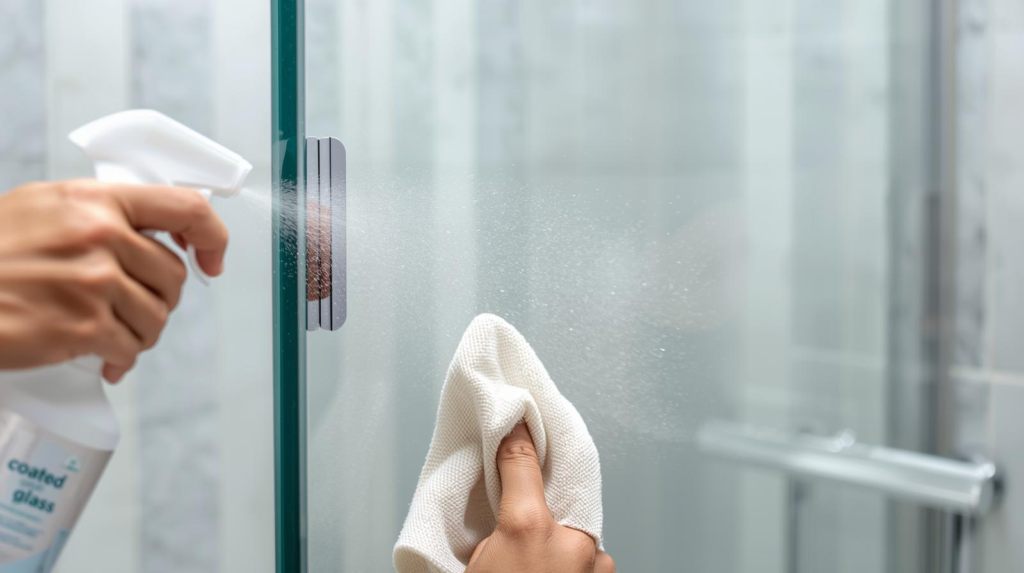
Option C: Manufacturer-recommended cleaner for coated glass (often the best choice)
If your doors are labeled as coated/protective (e.g., specialty treated glass), follow that brand’s approved list. Guardian’s ShowerGuard guidance emphasizes using soft cloth/sponge, then rinsing thoroughly and drying (including using a squeegee) in its care and cleaning guidelines PDF.
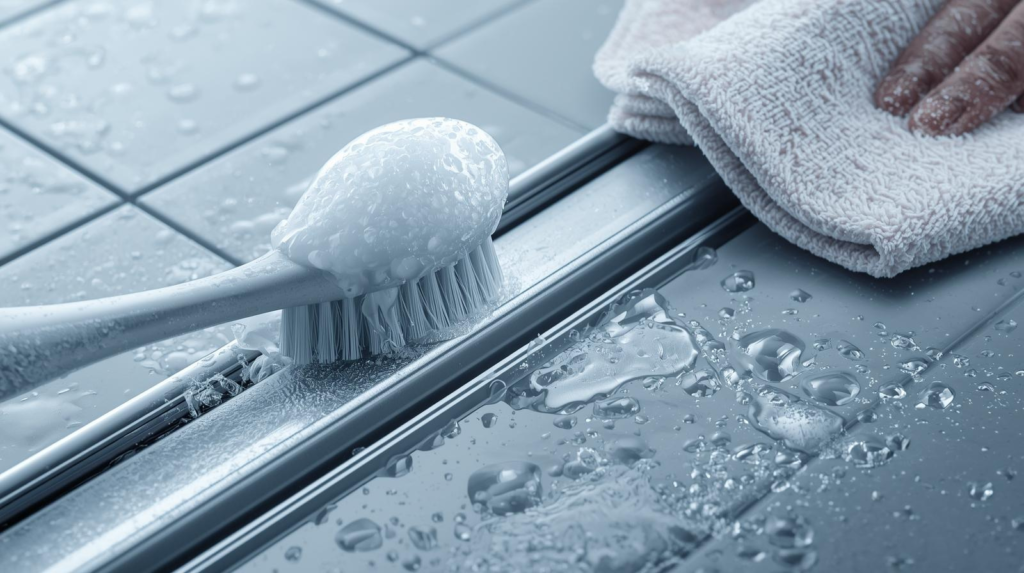
Step 4: Clean the tracks, seals, and corners (where gunk hides)
- Vacuum or wipe out loose debris from the track.
- Use a soft toothbrush or detail brush with warm soapy water.
- Rinse (carefully—avoid flooding the track) and dry.
These areas hold moisture and residue, so getting them dry afterward supports the same “reduce moisture buildup” logic in the American Cleaning Institute’s bathroom tips.
Step 5: Prevent streaks and slow down future buildup
- Squeegee every time (ACI’s bathroom cleaning tips).
- Dry the glass—DreamLine specifically warns that hard water can etch glass if left to dry in its maintenance guidance.
- If hard water is severe, consider longer-term fixes (filtered water, water softening) because the USGS explains hardness is driven by dissolved calcium/magnesium in its hardness overview.
- If you’re shopping for gentler products, look for the EPA Safer Choice label, which is a program that evaluates product ingredients against criteria described by the U.S. EPA Safer Choice Standard.
Summary
Clean shower doors stay clear when you (1) remove residue gently, (2) target minerals appropriately (and safely), and (3) dry the glass after use. Avoid abrasives that can scratch, avoid acids on natural stone, and never mix bleach with other cleaners. For coated glass, follow the manufacturer’s care guidance and keep the routine simple: soft cloth, rinse, dry.