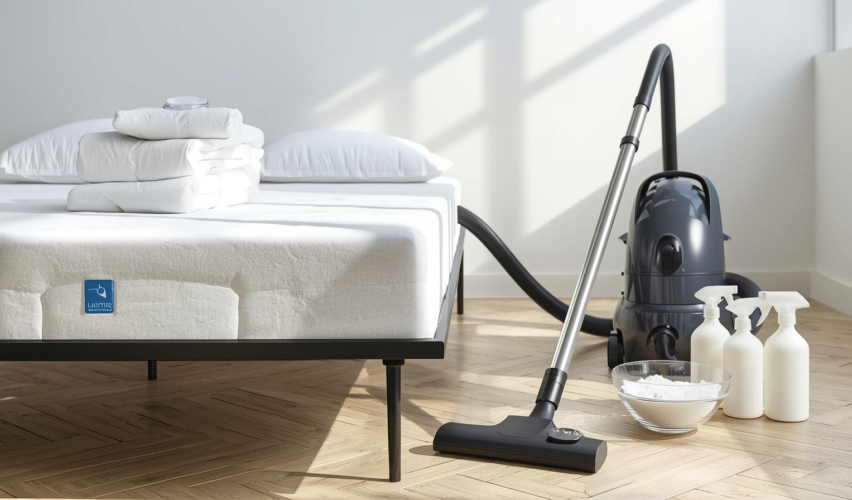
A good mattress clean has three goals: remove dust and allergens, lift stains before they set, and dry the materials fast so moisture doesn’t turn into odor or mold. Public-health guidance also stresses that, in most homes, regular cleaning is usually enough—disinfecting is only needed in higher-risk situations (like bodily fluids or illness). That “clean first, disinfect when necessary” approach aligns with CDC home cleaning guidance and the CDC’s cleaning and disinfecting recommendations for facilities.
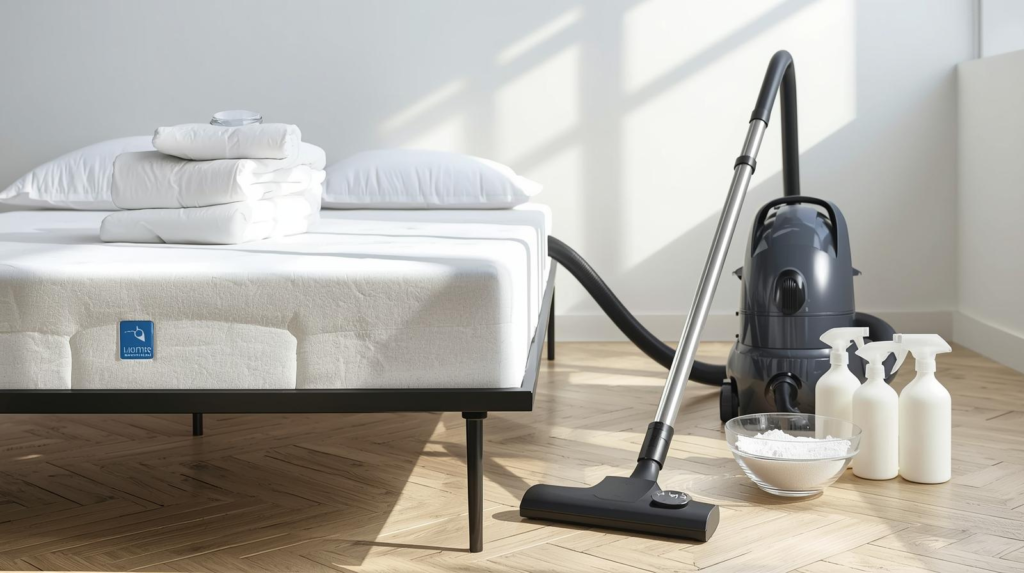
What you’ll need
- Vacuum with upholstery attachment
- Clean microfiber cloths (white is best so you can see transfer)
- Baking soda (for deodorizing)
- Mild dish soap + warm water (for general spot cleaning)
- Optional: enzyme cleaner (for urine/sweat), 3% hydrogen peroxide (for some stains), and a fan for drying
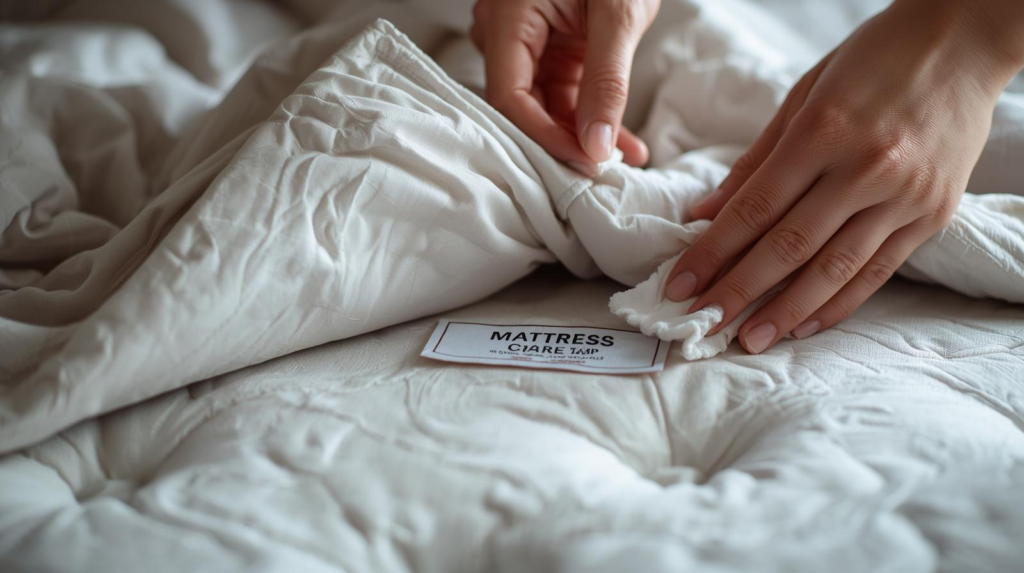
Before using any cleaner, check your mattress care label (often “spot clean only”) and do a small spot test—this is a common best practice in professional cleaning guidance like Wired’s mattress cleaning guide and consumer cleaning step-by-steps such as Real Simple’s mattress cleaning instructions.
Step-by-step: The best “deep clean” routine (about 30–60 minutes + drying time)
1) Strip the bed and wash everything
Wash sheets, pillowcases, and washable protectors first. If allergies are a concern, many medical/allergy resources recommend washing bedding weekly in hot water at least 130°F (54°C) to reduce dust mites and allergens, including Mayo Clinic’s dust mite guidance and the Asthma and Allergy Foundation of America’s dust mite recommendations (also echoed by the Asthma & Allergy Friendly® program bedding guidance).
2) Vacuum slowly and thoroughly
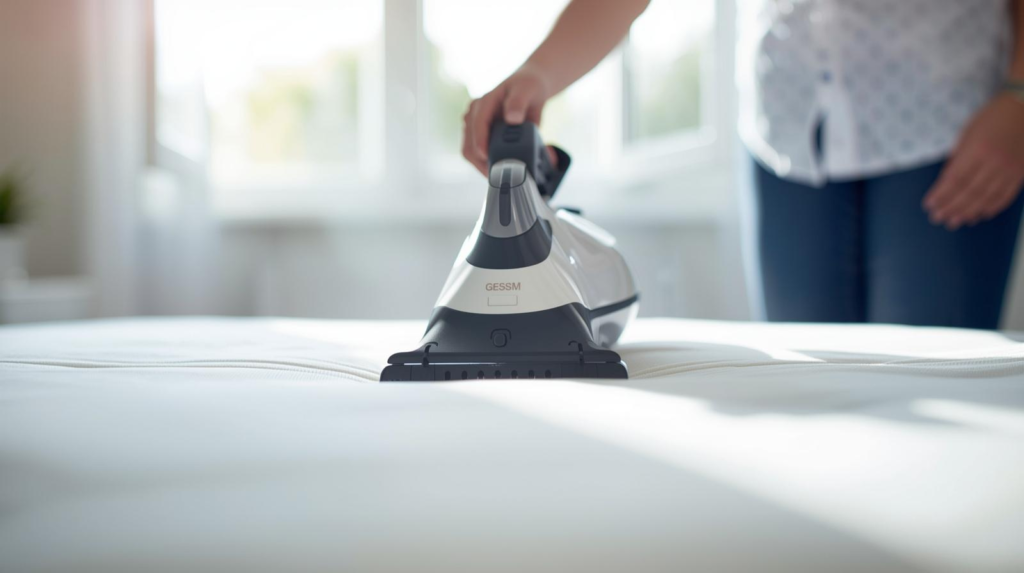
Vacuum the entire mattress (top and sides), paying extra attention to seams and tufting. Vacuuming “as usual” is also the standard baseline for soft surfaces in disinfecting frameworks like CDC-aligned cleaning/disinfecting guidance and household cleaning protocols in CDC home guidance.
3) Spot-clean stains (use the right method for the stain)
Use the least moisture possible—mattresses dry slowly, and lingering dampness increases risk of odor and mold. Acting quickly is consistently emphasized in practical guides like Wired’s mattress cleaning guide and step-by-step consumer instructions like Real Simple’s mattress cleaning method.
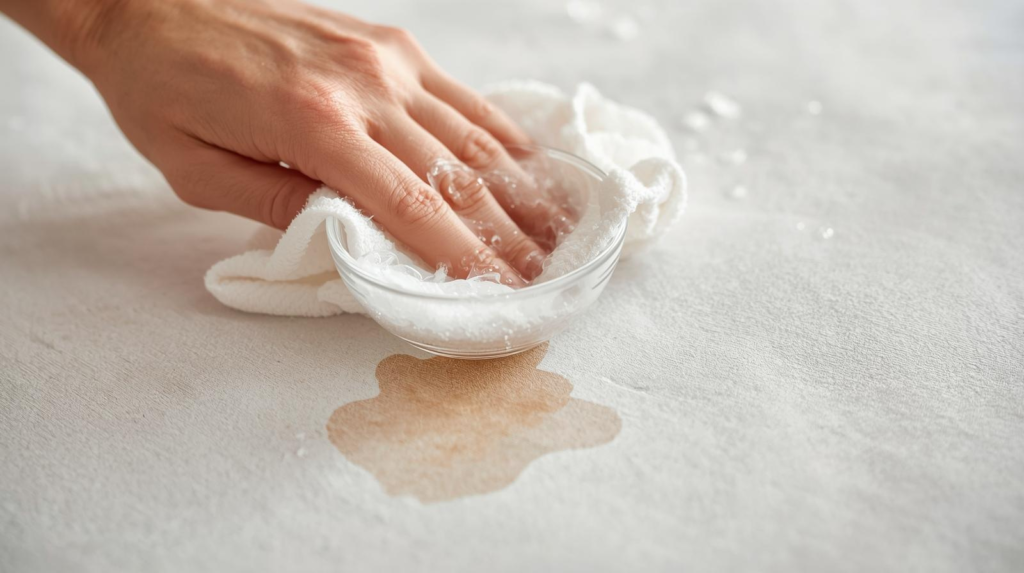
General spot-clean method (safe default):
- Mix a few drops of dish soap in warm water.
- Lightly dampen a cloth (don’t pour liquid on the mattress).
- Blot from the outside of the stain inward.
- Blot with a clean damp cloth to “rinse,” then blot dry.
Stain-specific quick picks (choose one):
- Urine / sweat / vomit: an enzyme cleaner is often the most effective at breaking down organic odors, as described in Wired’s stain guidance and widely recommended across professional cleaning advice like Real Simple.
- Blood: use cold water first (heat can set protein stains), and some guides use small amounts of hydrogen peroxide on light fabrics; hydrogen peroxide safety considerations are reviewed in Cleveland Clinic’s hydrogen peroxide explainer and stain workflows are discussed in Wired.
Tip: Whatever you use, blot—don’t scrub. Scrubbing can spread stains deeper into padding, a caution repeated in stain-cleaning walkthroughs like Wired and Real Simple.
4) Deodorize with baking soda
Sprinkle a thin, even layer of baking soda over the surface. Let it sit at least 30–60 minutes (longer is better if odors are strong), then vacuum it up. Baking soda deodorizing is a common, low-risk method described in guides like Wired and mainstream how-tos such as Tom’s Guide’s baking soda method.
5) Dry completely (this part matters)
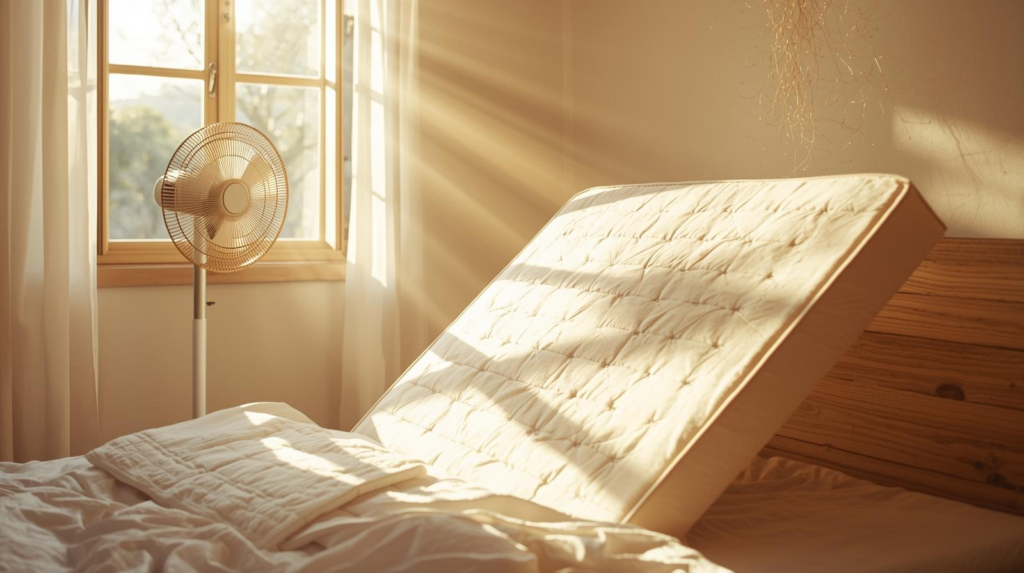
Use a fan, open windows, and give it time before remaking the bed. Moisture control is critical because mold growth becomes more likely when materials stay damp; the EPA notes that if wet materials are dried within 24–48 hours, mold often won’t grow in most cases, in EPA’s mold and moisture guide, and the CDC similarly emphasizes fixing moisture problems as part of mold prevention in CDC mold health guidance.
When you should disinfect a mattress (and how to do it safely)
In many households, cleaning is usually sufficient, and disinfecting is reserved for situations like illness, bodily fluids, or specific exposure risks—this “clean first” principle is laid out in CDC home cleaning guidance and in CDC’s broader cleaning frameworks like CDC facility guidance.
If you do need disinfection, be careful: most disinfectants are designed and labeled for hard, non-porous surfaces, and products must be used exactly according to their label. The EPA explains why following label directions matters in Selected EPA-Registered Disinfectants, and also discusses how soft-surface textile disinfectant claims are handled in its soft surface textiles disinfectant guidance.
Safer disinfecting options for mattresses (when appropriate):
- Steam cleaning can be used for certain contamination scenarios; for example, CDC notes steam cleaning for some soft surfaces in its guidance on cleaning/disinfecting after mpox exposure in CDC’s mpox cleaning and disinfecting page.
- If using a spray disinfectant, only use one that explicitly allows use on soft surfaces and follow contact time, ventilation, and safety instructions per EPA disinfectant labeling guidance and EPA’s soft surface textiles efficacy-claim guidance.
Common mattress stains and the quickest response
- Fresh spills: blot immediately with a dry towel, then use minimal moisture to spot clean, as emphasized in Wired and Real Simple.
- Odors: baking soda + time + vacuum is a standard deodorizing method in Tom’s Guide and Wired.
- Mold smell or visible mold: treat it seriously—mold requires moisture control and cleanup, and CDC advises addressing the moisture problem along with removal in CDC mold guidance, while the EPA highlights rapid drying (24–48 hours) to prevent growth in EPA’s moisture and mold guide.
How to keep a mattress clean longer (the “easy mode”)
- Use a washable mattress protector and launder it regularly; protectors are commonly recommended in practical cleaning guides like Wired and cleaning schedules like Real Simple.
- If allergies are an issue, consider allergen-proof encasements and keep bedding washed hot (≥130°F/54°C), consistent with AAFA’s dust mite advice and Mayo Clinic.
- Deep-clean (vacuum + baking soda) every 3–6 months, which matches common consumer-care schedules like Real Simple and practical maintenance guidance like Wired.
Summary
To clean a mattress well: strip the bed, vacuum slowly, spot-clean stains with minimal moisture, deodorize with baking soda, and dry completely. Disinfect only when there’s a real reason, and only with methods/products that are appropriate for soft surfaces and used exactly as directed.