Why Do I Have So Many Flies in My House? The Real Causes (and How to Stop Them)
If it feels like your home suddenly turned into a fly magnet, you’re not imagining it. Most indoor fly “explosions” come down to one of two things: The key is to figure out which fly you’re dealing with and what’s sustaining it. Once you remove the source, the fly problem usually drops fast—because you’re not …...
How to Prune Cucumber Plants (So They’re Healthier, Easier to Manage, and Still Productive)
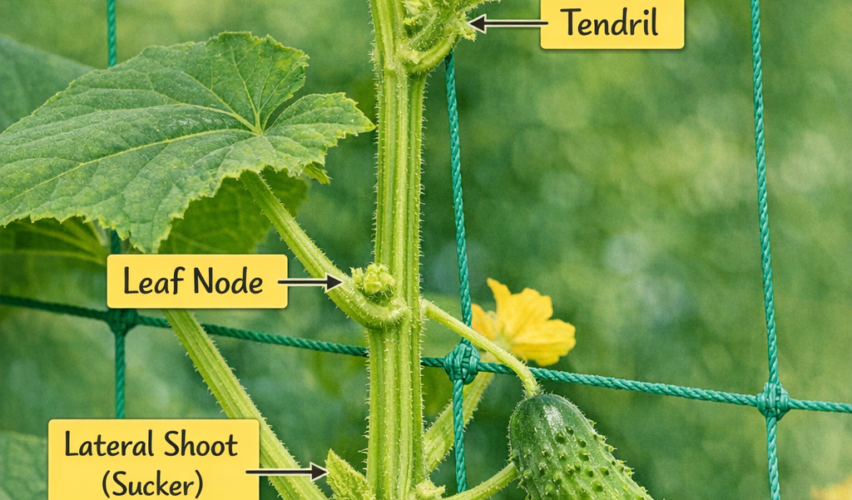
Pruning cucumbers is optional, but it can be very helpful when you’re growing vining cucumbers on a trellis. The main goals are to (1) improve airflow near the soil line, (2) keep vines from turning into a tangled mat, and (3) focus the plant on a manageable number of fruiting stems. University guidance for trellised …...
How to Grow Dill (Anethum graveolens) From Seed to Harvest
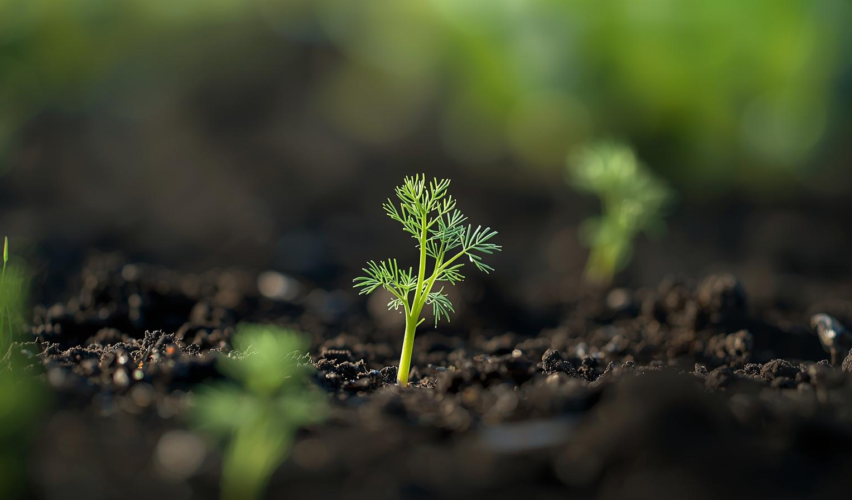
Dill is a fast-growing annual herb that’s easiest to grow by direct-sowing seeds where it will live. The main reasons: it develops a long taproot and doesn’t love being transplanted, and it bolts (flowers) faster when it’s stressed. (University of Minnesota Extension) Pick the right spot: sun, drainage, and wind protection Dill...
How to Prune a Lemon Tree for Healthier Growth and Better Fruit
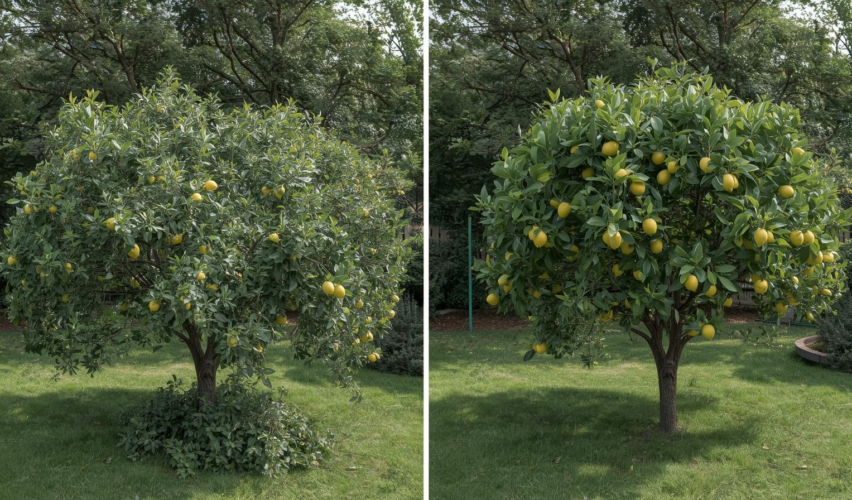
Lemon trees (citrus) are evergreen and usually need less pruning than many deciduous fruit trees. The goal isn’t to “open it up like an apple tree”—it’s to remove unproductive growth, prevent rubbing/crowding, keep fruit off the ground, and maintain a size you can manage, all while leaving enough canopy to protect branches from...
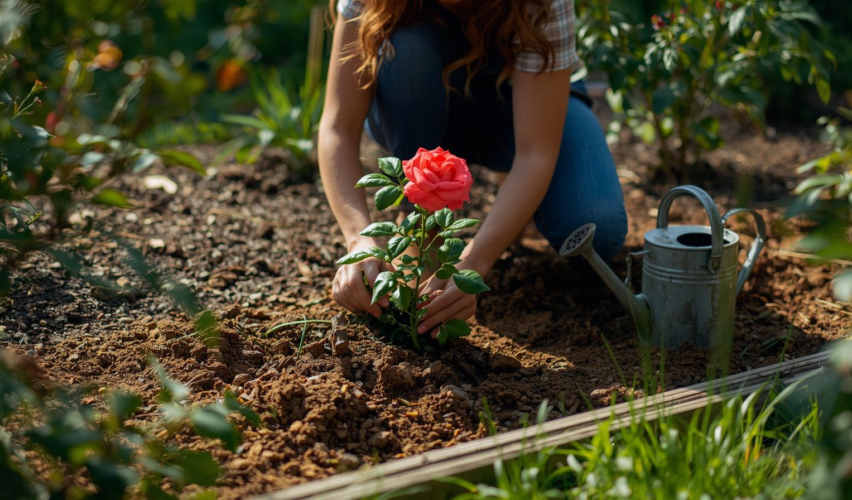
How to Plant Roses for Strong Roots and Big Blooms
Planting roses is mostly about three things: sun, drainage, and planting at the right depth—especially if your rose is grafted (has a knobby “bud union” on the lower stem). When those basics are right, roses establish faster and perform better long-term. (Yard and Garden) What you’ll need Step 1: Choose the right time to plant...
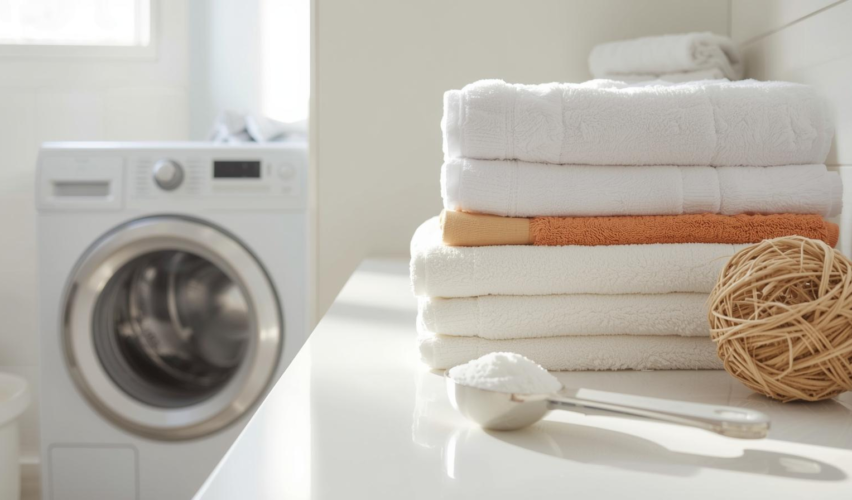
How to Wash Towels So They Stay Soft, Absorbent, and Fresh
Towels build up body oils, skin cells, detergent residue, and (if they stay damp) mildew—so washing them the right way is less about “extra products” and more about good basics: the right load size, the right detergent amount, warm-enough water, and complete drying. (Restored CDC) 1) How often to wash towels A practical, widely...
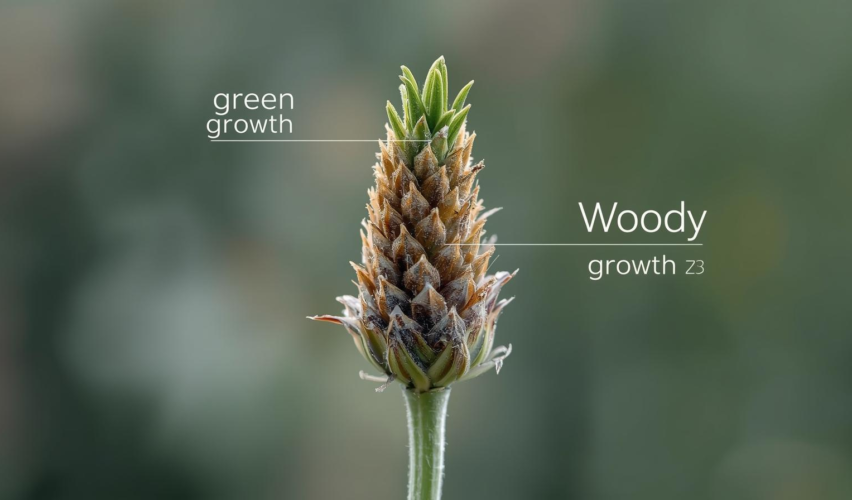
How to Prune Lavender So It Stays Full, Fragrant, and Healthy
Lavender is a “subshrub,” meaning it stays leafy at the tips but becomes woody at the base over time. The goal of pruning is to keep plenty of soft green growth each year, so the plant stays compact instead of turning into a leggy, split-open mound. The single biggest rule: don’t cut into bare, leafless …...
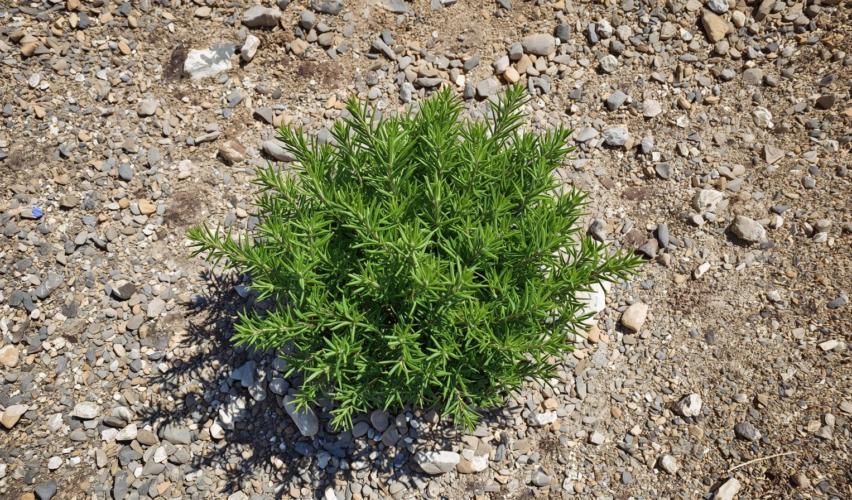
How to Grow Rosemary (Salvia rosmarinus) Indoors or Outdoors
Rosemary is a Mediterranean herb that thrives when you copy its “native” conditions: bright sun, excellent drainage, and leaner (not soggy) soil. It’s naturally drought-tolerant once established, but it can struggle in wet, humid, poorly drained spots. That basic profile is consistent across plant and extension references like the...
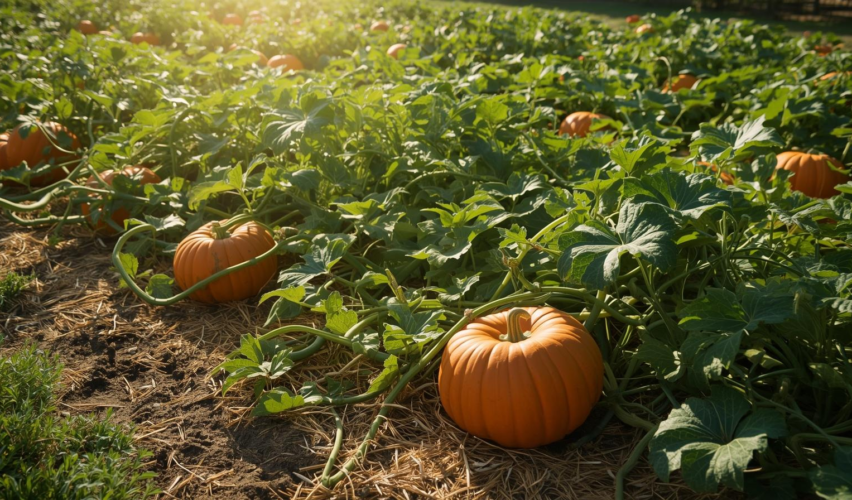
How to Grow Pumpkins in a Home Garden (From Seed to Harvest)
Pumpkins are warm-season vines that need full sun, rich well-drained soil, and plenty of space. If you get the timing right (warm soil) and keep them consistently watered early, you’ll dramatically improve fruit set and size—then you’ll finish strong with proper harvest, curing, and storage. Utah State University Extension (Utah...
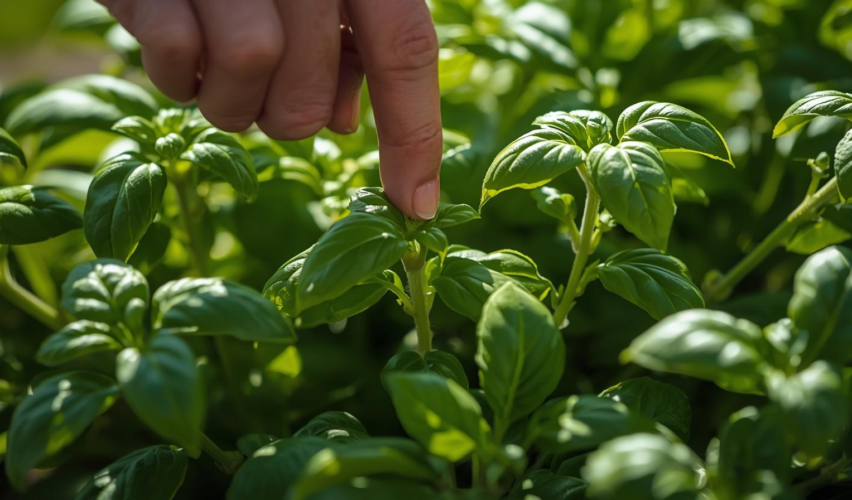
How to Prune Basil for a Bigger, Bushier Harvest
Pruning basil isn’t about making it smaller—it’s about telling the plant to branch. When you cut a stem just above a leaf node (the spot where two leaves meet the stem), basil responds by pushing out two new shoots, which quickly turns a tall plant into a leafy “basil bush.” This branching response is described …...