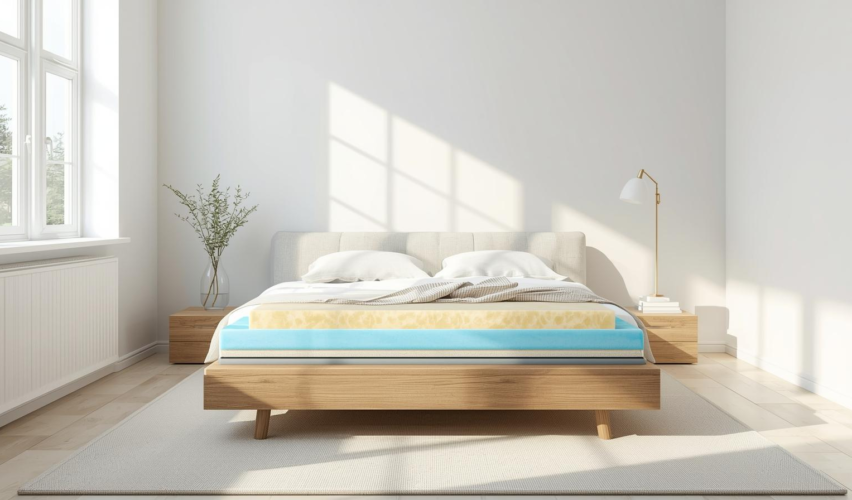
Memory foam is still the go-to for people who want pressure relief, deep contouring, and minimal motion transfer (so you don’t feel every toss-and-turn next to you). The trade-offs haven’t changed: some foams sleep warm, some feel slow to respond, and softer models can let your hips sink too far—especially for stomach sleepers or heavier bodies. (Sleep Foundation)
Below are the best memory foam mattresses to buy right now, with picks that cover everything from premium, “hugging” foam to budget-friendly beds that don’t feel like bricks.
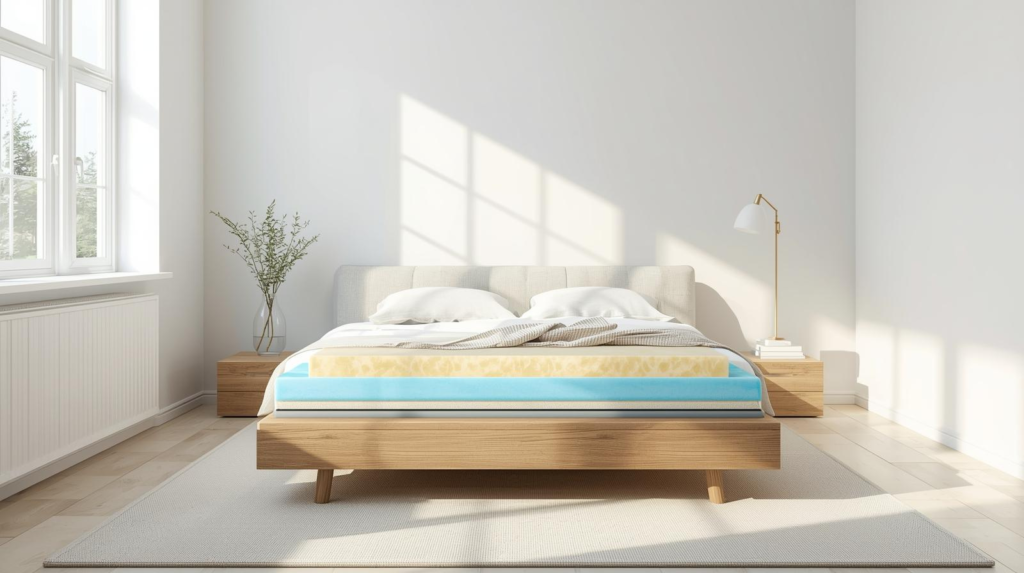
Quick Picks
- Best overall: Leesa Original — Balanced contour + support that works for lots of sleepers; good all-foam “middle ground.” Price: $900–$1,400 (queen; pricing may vary).
- Best value memory foam feel: Nectar Classic — Classic slow-sink pressure relief at a midrange price. Price: $700–$1,200 (queen; pricing may vary). (Sleep Foundation)
- Best cooling upgrade: Casper Snow — Strong cooling test results for a “cooler” memory-foam experience. Price: $1,500–$2,500 (queen; pricing may vary). (RTINGS.com)
- Best premium contouring: Tempur-Pedic TEMPUR-Adapt — High contouring and excellent motion isolation if you love the “hug.” Price: $1,700–$2,600 (queen; pricing may vary). (RTINGS.com)
- Best flippable (2 feels): Layla Memory Foam — Flip between softer and firmer sides for flexibility. Price: $800–$1,400 (queen; pricing may vary). (Sleep Foundation)
- Best budget under $300: Zinus Green Tea — A consistent low-cost option when you just need something simple. Price: $200–$400 (queen; pricing may vary). (Tom’s Guide)
Our Methodology
We built this guide by triangulating independent test-lab results, long-form reviewer methodologies, and broad consumer-testing signals—prioritizing sources that publish repeatable measurements (pressure relief, motion isolation, temperature performance) and clearly explain how they test. That includes lab-style outlets (for example, RTINGS’ instrumented scoring) (RTINGS.com) and established mattress testing teams that publish performance breakdowns and use consistent scoring systems across many beds. (Sleep Foundation)
Selection criteria focused on what matters most for memory foam shoppers:
- Pressure relief and spinal alignment (especially for side sleepers)
- Temperature control (materials + test outcomes)
- Motion isolation and noise
- Ease of movement (so you don’t feel “stuck”)
- Edge stability (important for couples and smaller bed frames)
- Value (performance relative to typical sale pricing)
Comparison Table
| Mattress | Best for | Key features | Price range (Queen) |
| Leesa Original | Most sleepers | Balanced all-foam feel; strong pressure relief | $900–$1,400 |
| Nectar Classic | Value + classic memory-foam contour | Moderate contouring; strong motion isolation | $700–$1,200 |
| Casper Snow | Hot sleepers wanting foam | Cooling-focused design; strong cooling scores | $1,500–$2,500 |
| TEMPUR-Adapt | Premium “deep hug” | Highly contouring; excellent motion isolation | $1,700–$2,600 |
| Loom & Leaf | Luxury all-foam | Premium foams; cushy pressure relief | $1,800–$3,000 |
| Layla Memory Foam | Two firmness options | Flippable; copper/gel foam concept | $800–$1,400 |
| Novaform ComfortGrande | Warehouse-club value | Affordable thick foam; good pressure relief | $600–$1,100 |
| Tuft & Needle Mint | More responsive foam | “Faster” foam feel; supportive edges | $1,000–$1,700 |
| Bear Original | Supportive feel | Often recommended for back-sleep support/value | $900–$1,500 |
| Siena Memory Foam | Budget under ~$400 | Low price; firmer, simple foam build | $250–$500 |
| Zinus Green Tea | Cheapest workable option | Widely available; straightforward foam feel | $200–$400 |
| WinkBeds GravityLux | Foam feel without heavy sink | Multiple firmness options; designed for contour + mobility | $1,200–$2,000 |
Pricing may vary by promos, size, and retailer.
1) Leesa Original Mattress
If you want a memory foam mattress that doesn’t go extreme—neither marshmallow-soft nor board-firm—the Leesa Original is the safest “works for most people” pick. In Sleep Foundation’s testing notes, the Leesa’s all-foam build and mid-range feel scored well for pressure relief, especially for many side sleepers. (Sleep Foundation)
Pros
- Balanced contouring without feeling overly “stuck”
- Strong pressure relief for many side sleepers (Sleep Foundation)
- All-foam motion isolation benefits (Sleep Foundation)
Cons
- Like many foams, edge support can be only average (Sleep Foundation)
- Not the coolest option compared with cooling-focused models
Price (queen): $900–$1,400 (pricing may vary;)

2) Nectar Classic
For a more traditional memory-foam feel at a typically lower price than many premium foams, Nectar Classic is a consistent value pick. Multiple reviewer roundups emphasize its moderate contouring and strong motion isolation for couples, with Sleep Foundation noting it as a good match for side and back sleepers up to certain weight ranges. (Sleep Foundation)
Pros
- Classic “slow sink” pressure relief (Sleepopolis)
- Great motion isolation for partner disturbance (Sleep Foundation)
- Often competitively priced during frequent sales
Cons
- Can feel warmer than cooling-forward foams (common memory-foam trade-off) (Sleep Foundation)
- Some sleepers dislike slower response when changing positions (Sleep Foundation)
Price (queen): $700–$1,200 (pricing may vary;)
3) Casper Snow
If “I sleep hot” is your main complaint with memory foam, Casper Snow is one of the clearest cooling-first options backed by instrumented testing. RTINGS named it their best memory foam mattress tested and highlights strong cooling performance along with a classic memory-foam contouring feel. (RTINGS.com)
Pros
- Strong cooling test results for a foam-forward bed (RTINGS.com)
- Still delivers a contouring memory-foam feel
- Good all-around firmness range for many sleepers (RTINGS.com)
Cons
- Pricier than value foam beds
- Cooling can be very subjective (room temp, bedding, protector matter)
Price (queen): $1,500–$2,500 (pricing may vary;)
4) Tempur-Pedic TEMPUR-Adapt
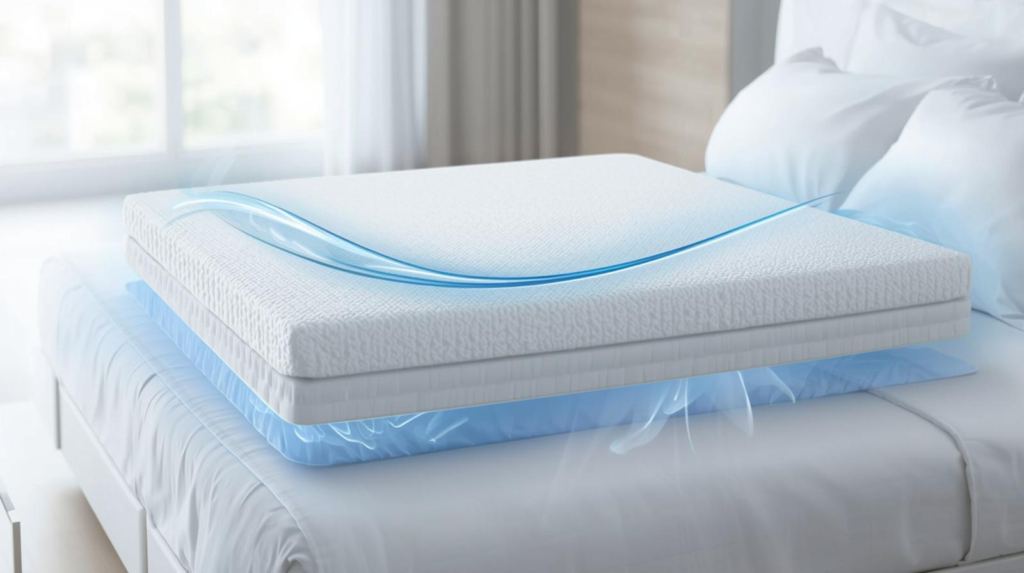
TEMPUR-Adapt is the pick for people who truly want that high-end, deep-contouring “hug” and maximum motion isolation. RTINGS notes it’s highly contouring and stands out for fantastic motion isolation, while also cautioning that it responds slowly and can feel constricting for some. (RTINGS.com)
Pros
- Excellent motion isolation (RTINGS.com)
- Deep contouring pressure relief (especially for side sleepers who like a hug) (RTINGS.com)
- Premium feel and materials reputation in independent reviews (Forbes)
Cons
- Slower response can make movement harder (RTINGS.com)
- Edge support can be below average on all-foam versions (Sleep Foundation)
Price (queen): $1,700–$2,600 (pricing may vary;)
5) Saatva Loom & Leaf
Loom & Leaf is the “luxury hotel foam” style option: thicker comfort layers, more substantial build, and a premium feel compared with many bed-in-a-box foams. Healthline highlights Loom & Leaf as a luxury foam mattress choice and emphasizes its higher-end construction approach. (Healthline)
Pros
- Plush pressure relief with a more upscale foam build (Healthline)
- Good choice if you want premium materials/feel
- Typically better suited to people who dislike ultra-thin foam builds
Cons
- Higher price than most all-foam competitors
- If you run hot, you still need breathable bedding (foam can retain heat) (Sleep Foundation)
Price (queen): $1,800–$3,000 (pricing may vary;)
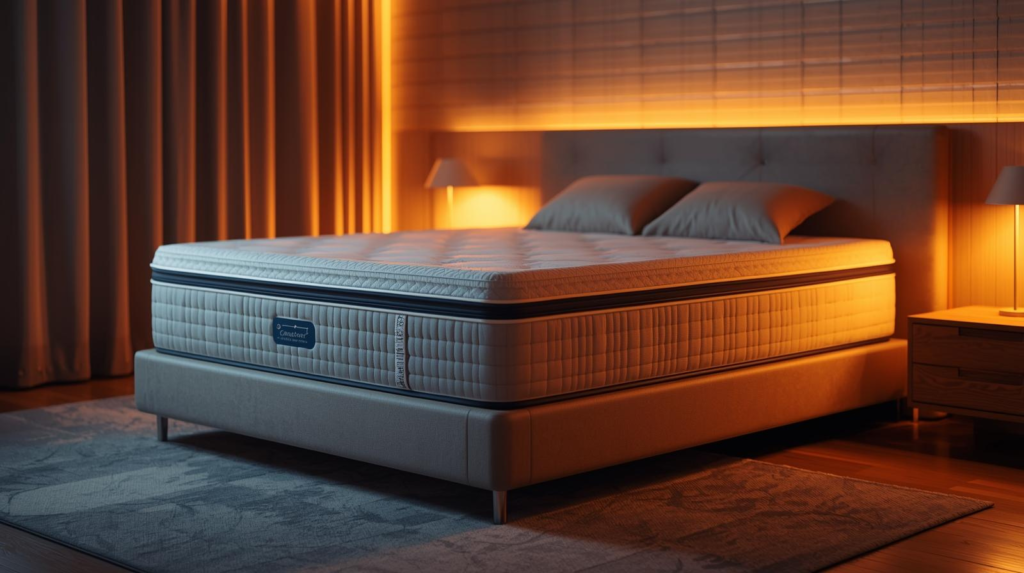
6) Layla Memory Foam Mattress
Layla’s standout is versatility: it’s flippable, offering a softer side and a firmer side so you can adjust feel without returning the bed. Sleep Foundation’s Layla review describes the reversible design and notes the trade-offs typical of all-foam beds (like modest edge support). (Sleep Foundation)
Pros
- Two firmness options in one mattress (Sleep Foundation)
- Useful for couples compromising on feel
- Competitive value compared with many “premium” foams (NapLab)
Cons
- Edge support is often only so-so on all-foam beds (Sleep Foundation)
- Softer side may be too sinky for strict stomach sleepers (Sleepopolis)
Price (queen): $800–$1,400 (pricing may vary;)
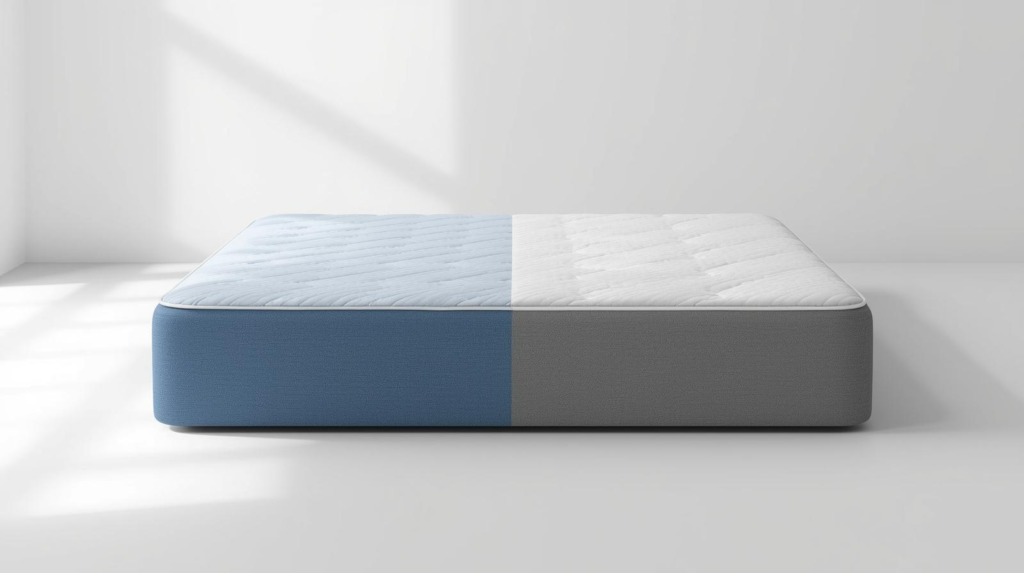
7) Novaform ComfortGrande (Costco-style value)
Novaform is a smart pick if you want lots of foam for the money—often through warehouse retail channels—without dropping premium-brand prices. Consumer Reports highlights Novaform as a budget-friendly option among supportive foam mattresses, and Sleep Foundation’s review notes strong pressure relief and motion isolation with cooling-infused materials. (Consumer Reports)
Pros
- Strong value proposition in independent testing roundups (Consumer Reports)
- Good pressure relief and motion isolation signals (Sleep Foundation)
- Thick profile can feel plusher than thin budget foams
Cons
- Not the strongest edges versus hybrids (Sleep Foundation)
- Cooling varies by sleeper and bedding setup
Price (queen): $600–$1,100 (pricing may vary;)
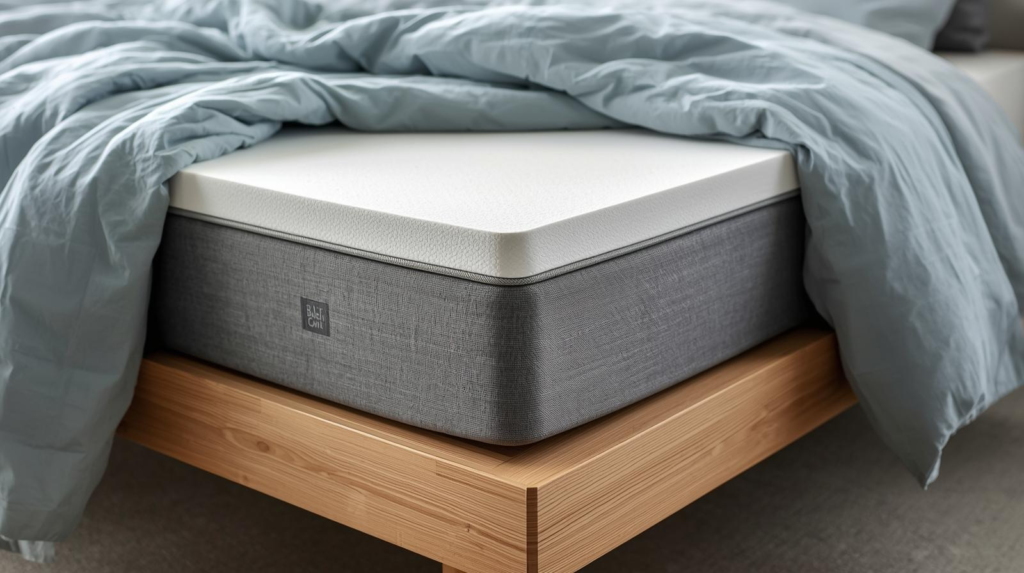
8) Tuft & Needle Mint
If you like foam but hate the “quicksand” sensation, the Mint leans more responsive while still offering pressure relief. Healthline flags it as a strong foam option for side sleepers and those who share a bed, pointing to its multi-layer foam design and reinforced edges. (Healthline)
Pros
- More responsive feel than many classic memory foams (Healthline)
- Good option for combination sleepers who change positions
- Better edge reinforcement than many basic foams (Healthline)
Cons
- Not the cheapest “all-foam” option
- People wanting a deep hug may prefer slower foams (Sleep Foundation)
Price (queen): $1,000–$1,700 (pricing may vary;)
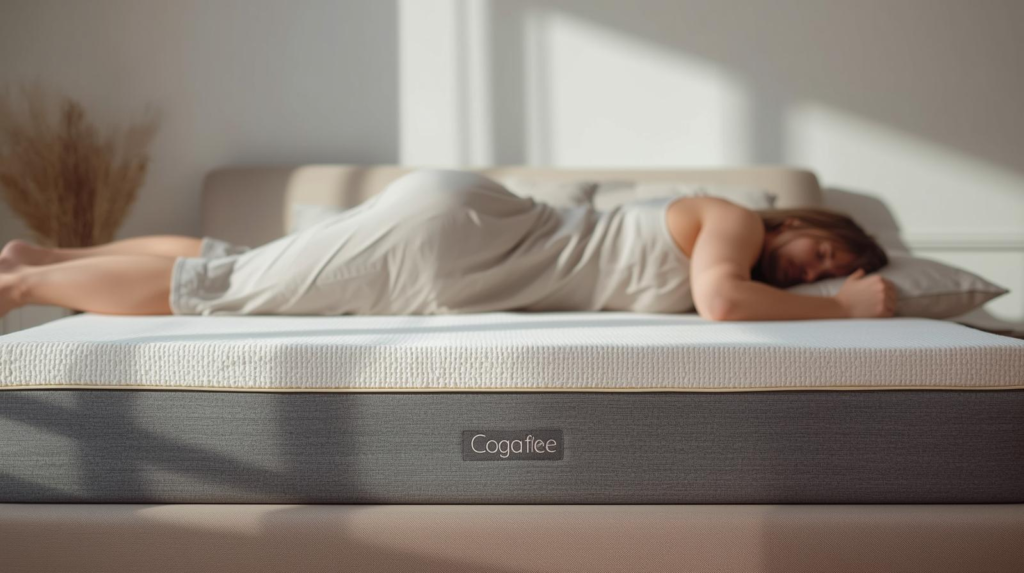
9) Bear Original
Bear Original is a popular “supportive memory foam” pick in USA-made mattress roundups, often recommended for sleepers who want a bit more structure than ultra-plush foams. Mattress Clarity highlights Bear Original as a top memory foam choice in its USA-made guide. (Mattress Clarity)
Pros
- Supportive feel that can work well for back sleepers (Mattress Clarity)
- Solid value compared with many premium foams
- Good fit for people who dislike very soft foam
Cons
- Not as “hugging” as high-contour foams
- Cooling depends heavily on bedding/room conditions
Price (queen): $900–$1,500 (pricing may vary;)
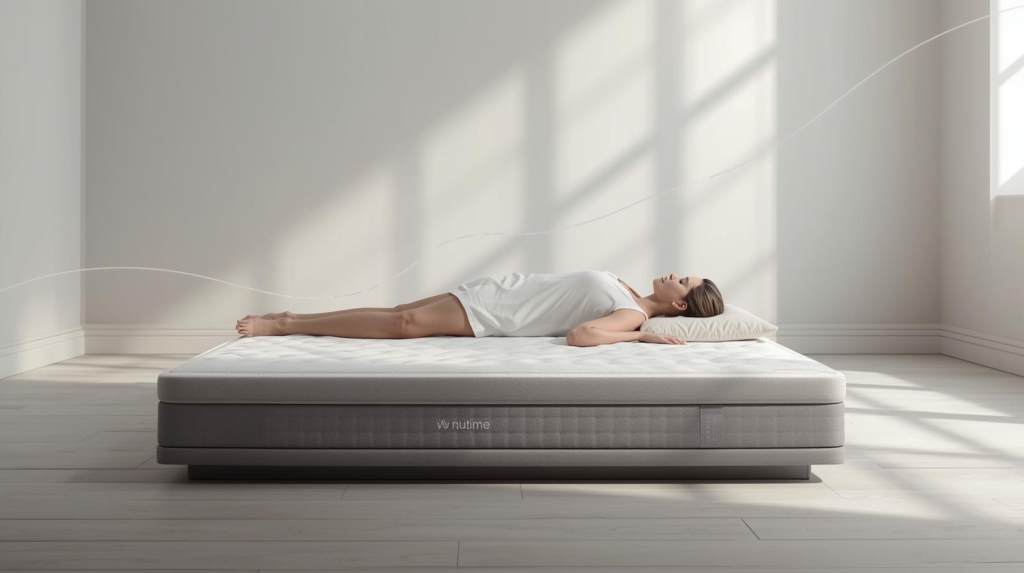
10) Siena Memory Foam Mattress
If your priority is spending as little as possible while still getting a functional memory foam bed, Siena is one of the best-known “under about $400” options highlighted by major review outlets. Tom’s Guide calls out the Siena Memory Foam Mattress as a budget-friendly standout in its tested mattress-in-a-box list. (Tom’s Guide)
Pros
- Very aggressive pricing for a full mattress (Tom’s Guide)
- Typically firmer, which some back sleepers prefer
- Easy starter option for guest rooms
Cons
- Expect simpler materials and fewer premium features at this tier
- Lighter side sleepers may find it too firm
Price (queen): $250–$500 (pricing may vary;)
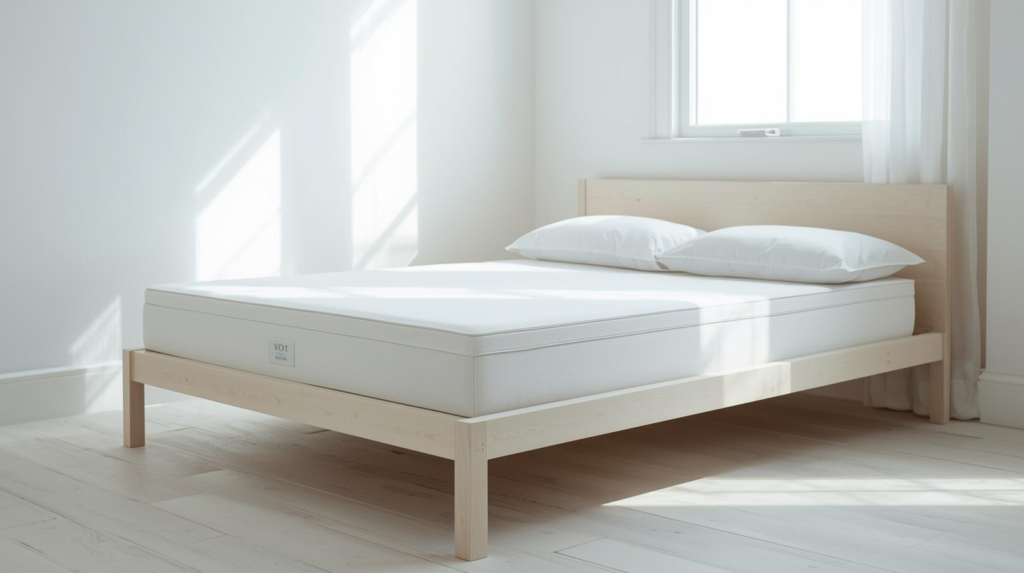
11) Zinus Green Tea
For true bargain hunting, Zinus is still one of the most common names—and Tom’s Guide includes Zinus Green Tea as a top option under $300 in its tested list. (Tom’s Guide) This is the pick when the budget is the whole point.
Pros
- Very low cost (Tom’s Guide)
- Widely available and straightforward
- Fine for occasional use (guest room, starter setup)
Cons
- Less nuanced pressure relief than higher-end foams
- Durability and edge stability can be limited at this price tier
Price (queen): $200–$400 (pricing may vary;)
12) WinkBeds GravityLux
GravityLux is for shoppers who want memory-foam contouring but don’t want to feel swallowed by the bed. Healthline highlights GravityLux in its foam-mattress roundup and notes its design aim: contouring with less heat retention and more responsiveness (relative to traditional memory foam). (Healthline)
Pros
- Good compromise between contouring and mobility (Healthline)
- Useful for combination sleepers who still want foam pressure relief
- Multiple firmness options help dial in feel (Healthline)
Cons
- Pricier than basic foam beds
- If you want a very deep hug, other foams do that better (Sleep Foundation)
Price (queen): $1,200–$2,000 (pricing may vary;)
How to Choose a Memory Foam Mattress
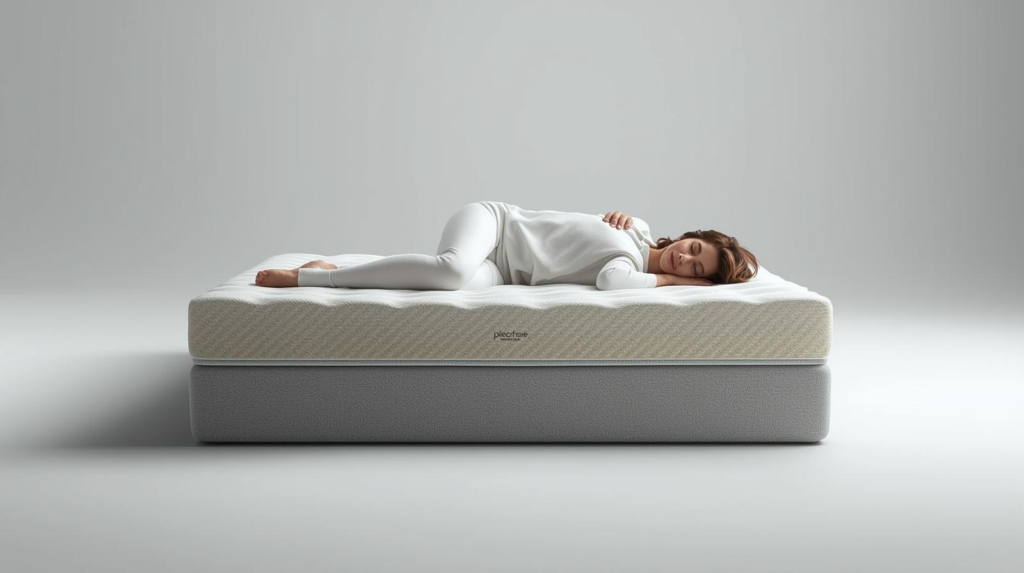
Memory foam varies a lot. Even “memory foam” can feel dramatically different depending on foam density, layer thickness, and how fast the foam rebounds. (Foam density and indentation-force concepts are commonly used to describe these differences.) (Wikipedia)
Start with your sleep position
- Side sleepers: Prioritize pressure relief at shoulders/hips. Mid-range to slightly plush usually works best.
- Back sleepers: Look for medium to medium-firm support that keeps hips from dropping.
- Stomach sleepers: Go firmer than you think; too-soft foam often bows your lower back. (Sleep Foundation)
If you sleep hot, treat cooling as a system
Memory foam can trap heat, so cooling claims should be backed by tests or design that actually improves airflow or heat dissipation. (Sleep Foundation) Also: breathable sheets, a heat-trapping mattress protector, and room temperature can easily overwhelm “cooling” foam.
Decide how much “hug” you want
- Love the hug: TEMPUR-Adapt-style slow-response foam is the vibe. (RTINGS.com)
- Hate feeling stuck: Choose more responsive foams like Mint or GravityLux-style designs. (Healthline)
Couples should prioritize motion isolation and edges
All-foam beds usually isolate motion well, but edges can be weaker than hybrids—especially if you sit on the perimeter often. (Sleep Foundation)
Use price tiers to avoid overpaying
- Under $500: Great for guest rooms and starter setups, but expect fewer premium materials.
- $700–$1,500: The “sweet spot” for many people.
- $1,700+: Pay for specialty foams, thicker builds, and specific performance goals (deep contouring, cooling tech).
FAQs
Is memory foam good for back pain?
It can be—if the firmness keeps your spine neutral. Too-soft foam may let hips sink, while too-firm foam can create pressure points. Many back sleepers do best on medium to medium-firm memory foam with strong underlying support. (Sleep Foundation)
Do memory foam mattresses sleep hot?
Some do. Close-conforming foams can trap heat, which is why cooling-oriented designs (and breathable bedding) matter more for hot sleepers. (Sleep Foundation)
How long does a memory foam mattress usually last?
It varies by foam quality and sleeper weight, but many all-foam beds fall into a midrange lifespan, and heavier use can shorten it. Sleep Foundation notes that some all-foam models may not exceed a typical six- to seven-year window. (Sleep Foundation)
What firmness is best for side sleepers?
Most side sleepers prefer a medium to medium-soft feel that cushions shoulders and hips while still supporting the waist. That’s why mid-range foams like Leesa-style builds often test well for side sleeping. (Sleep Foundation)
Are flippable memory foam mattresses worth it?
Yes—if you’re unsure about firmness or your needs may change. A flippable model like Layla gives you two feels in one purchase, which can reduce return hassle. (Sleep Foundation)
What’s the difference between “foam” and “memory foam” mattresses?
Memory foam is a specific polyurethane foam designed to soften with heat/pressure and slowly rebound, while “foam mattress” can include faster polyfoams, latex-like foams, and mixed constructions. Density and firmness measures help explain why different foams feel so different. (Wikipedia)
Should I buy a memory foam mattress online?
Online can be a great way to compare models and pricing, but focus on independent test data and transparent reviews—especially for cooling, motion isolation, and ease of movement—since those are hard to judge from marketing alone. (Sleep Foundation)