
If it feels like your home suddenly turned into a fly magnet, you’re not imagining it. Most indoor fly “explosions” come down to one of two things:
- There’s a breeding site inside (or right outside) your home that’s feeding a new generation of flies
- Flies are getting in more easily than usual because of gaps, screens, doors, weather shifts, or seasonal behavior
The key is to figure out which fly you’re dealing with and what’s sustaining it. Once you remove the source, the fly problem usually drops fast—because you’re not just killing adults, you’re breaking the life cycle.

First, a quick health note (why it matters)
Common “house flies” can pose health risks because they can mechanically transmit disease organisms after contacting contaminated material and then landing on food or surfaces. (CDC Stacks)
This doesn’t mean you should panic. It does mean you should treat a heavy fly presence as a sanitation + exclusion problem, not just an annoyance.
A 60-second diagnosis: what kind of flies are you seeing?
Use these clues to narrow it down quickly:
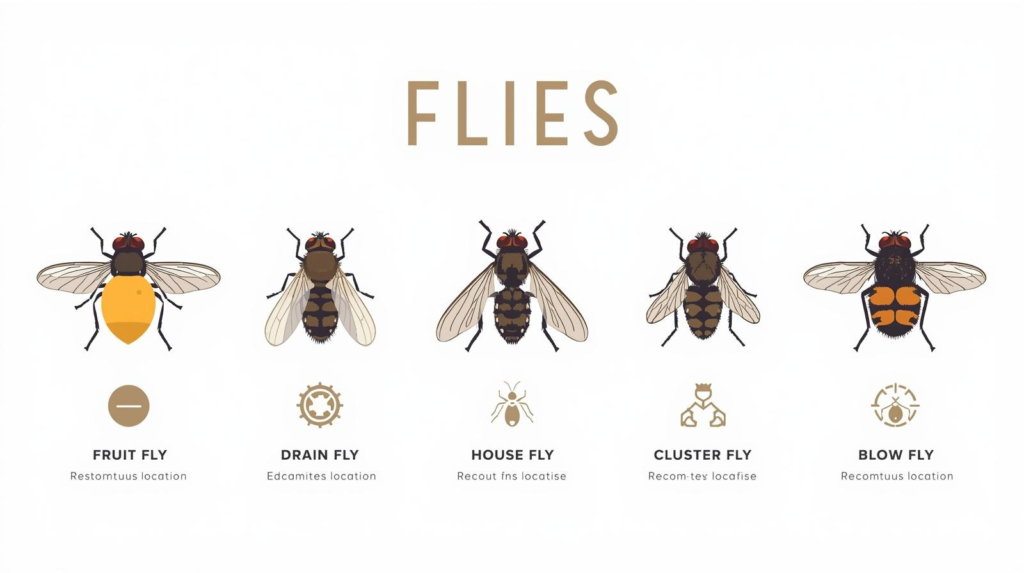
If they’re tiny and hovering around fruit, bottles, or the trash
You’re likely dealing with fruit flies. The most common breeding sites are overripe/fermenting produce and other hidden food residues (including things like peels or scraps that slipped under appliances). (Wisconsin Horticulture)
If they’re small, fuzzy, and mostly near sinks, tubs, or floor drains
These are often drain flies (moth flies). Their larvae live in the gelatinous slime/biofilm that builds up in drains and traps. (NC State Extension)
If they look like house flies but show up in clusters near windows on warm winter days
These may be cluster flies, which commonly enter structures in late summer/early fall to overwinter in attics or wall voids, then become active on warmer days. (University of Maryland Extension)
If they’re larger, loud, and metallic blue/green (or you suddenly have a lot at once)
These can be blow flies/flesh flies, and a sudden indoor surge can indicate a dead animal (rodent/bird) in a wall, attic, chimney, or crawl area. (Yard and Garden)
The most common reasons you have so many flies indoors
1) There’s a breeding site somewhere (the #1 cause of “so many”)
For many fly species, adults are the visible tip of the iceberg. House flies, for example, lay eggs in warm, moist organic material like garbage, decaying fruits/vegetables, lawn clippings, and manure. Under favorable conditions, populations can rise quickly. (UC IPM)
Translation: if the source remains, you can swat forever and still lose.
2) Trash and odors are attracting them (inside or just outside your doors)
Garbage and recycling are major fly magnets, especially when moisture and food residue build up. Extension guidance commonly emphasizes using tight-fitting lids, emptying regularly, and cleaning containers to reduce breeding material. (Purdue Agriculture)
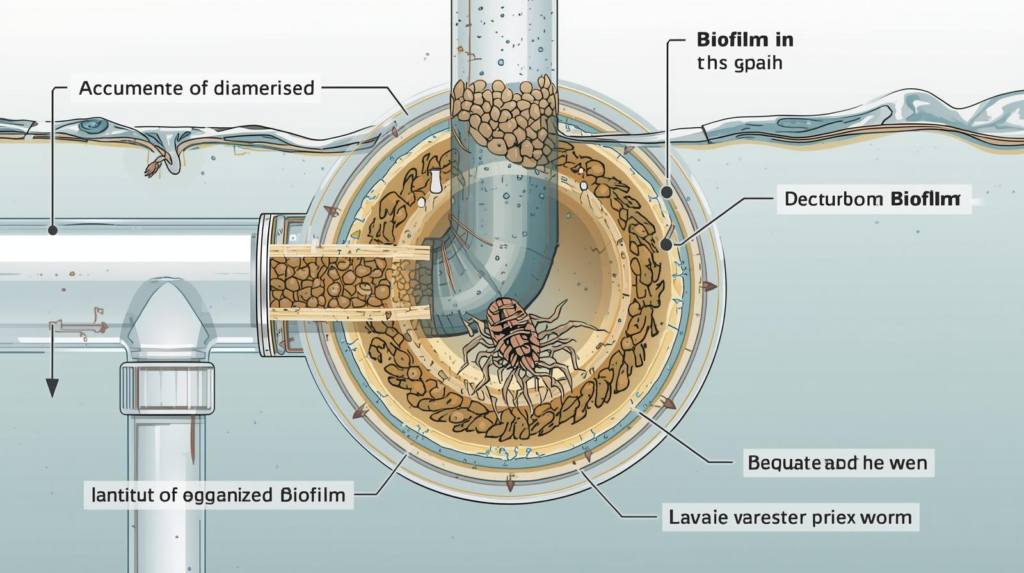
3) Your drains are acting like a nursery
Drain flies don’t need “dirty water” in the way people assume. They thrive in the slime layer that coats pipes, traps, and overflow areas. (NC State Extension)
This is why you can have drain flies even in a home that otherwise feels clean.
4) Something died in a wall or attic (a classic reason for sudden big-fly infestations)
If you’re seeing bigger flies in large numbers out of nowhere, don’t ignore the possibility of a dead rodent or bird in a structural void. Iowa State notes that blow/flesh flies in a house often indicate a dead animal within walls or attic spaces. (Yard and Garden)
5) Flies are simply getting in more easily than you think
Even when breeding is outdoors, flies get inside through:
- Torn or loose screens
- Doors that don’t seal well
- Gaps around plumbing penetrations, vents, or attic access
- Frequent door opening (pets/kids/backyard traffic)
Once inside, they’re drawn to light and often hang around windows.
6) Seasonal “invaders” are overwintering inside your home
Cluster flies and other “winter flies” can enter through small gaps and settle into protected spaces like wall voids and attics to overwinter. Exclusion (sealing entry points) is a primary prevention strategy. (University of Maryland Extension)
What to do right now: a practical, step-by-step plan
Step 1: Remove the top 5 fly food/breeding sources (today)
Do these first because they remove the “engine” behind most infestations:
- Take out trash and clean sticky residue inside the can
- Rinse recycling (especially bottles/cans) and remove it from the house
- Put fruit in the fridge; toss overripe produce
- Check hidden spots: under the toaster, behind the trash can, under the fridge edge
- If you suspect a dead animal (strong odor, blow flies), inspect attic/crawl areas or call a pro (Yard and Garden)

Step 2: Match your fix to the fly type
If they’re fruit flies
Elimination of breeding sites is essential. Extension sources repeatedly emphasize removing overripe produce and cleaning/emptying trash, with traps as a helper but not a cure. (Wisconsin Horticulture)
Do this:
- Remove/cover produce; wipe up juice, wine/beer spills, and sticky residue
- Scrub under the rim of trash cans and inside recycling bins
- Clean sink areas and disposals (where residue can cling)
- Use a simple trap only as a “catch what’s left” tool, not the main plan
If they’re drain flies
The fix is physical cleaning: drain flies breed in the slime film in drains and overflow areas. (NC State Extension)
Do this:
- Identify the drain (or floor drain) they’re coming from
- Clean the drain walls/trap area where slime accumulates
- Keep the drain area dry when possible (standing water helps)
If they’re house flies
House flies lay eggs in moist organic materials and can multiply quickly when conditions are right. (UC IPM)
Do this:
- Tighten sanitation: remove garbage and organic waste promptly
- Keep outdoor bins farther from doors if possible
- Address pet waste outdoors if it’s near entrances
- Use sticky traps to reduce adults while you remove the source
If they’re cluster flies
Because these flies often overwinter in attics/wall voids, the most effective approach is prevention via sealing entry points and ensuring screens/vents are properly protected. (University of Maryland Extension)
Do this:
- Vacuum adults (often more practical than chasing)
- Seal gaps around attic areas, soffits, and upper windows
- Repair screens and add fine mesh where appropriate
If they’re blow flies/flesh flies
If you suspect a dead animal, the long-term fix is removing the source. Blow/flesh flies indoors commonly point to a carcass in a void space. (Yard and Garden)
Do this:
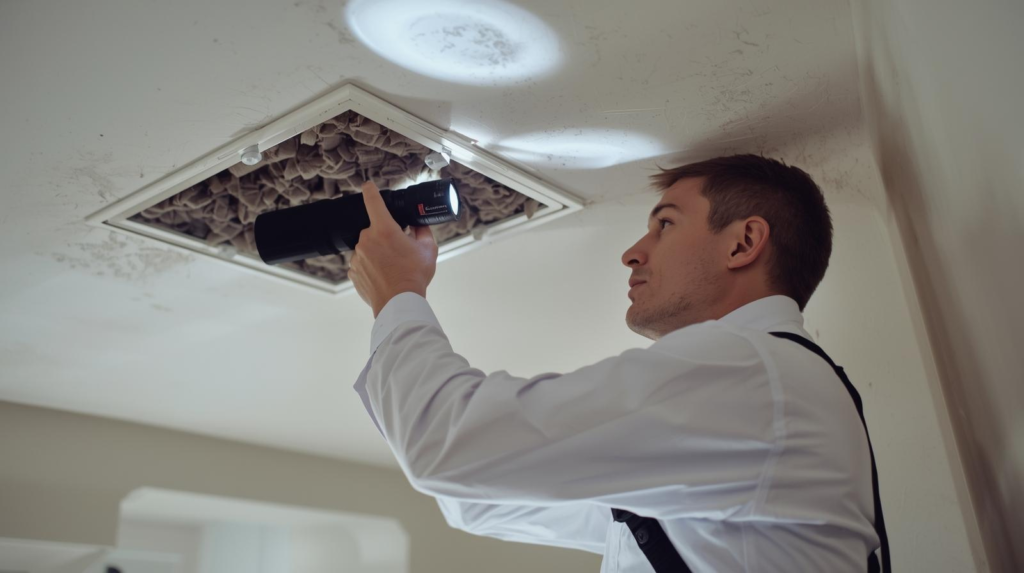
- Check attic, chimney, crawlspace access points
- If you can’t locate it, a pest professional may be able to pinpoint and remove it
- Increase ventilation, and clean surfaces after activity drops
Step 3: Stop new flies from entering (this week)
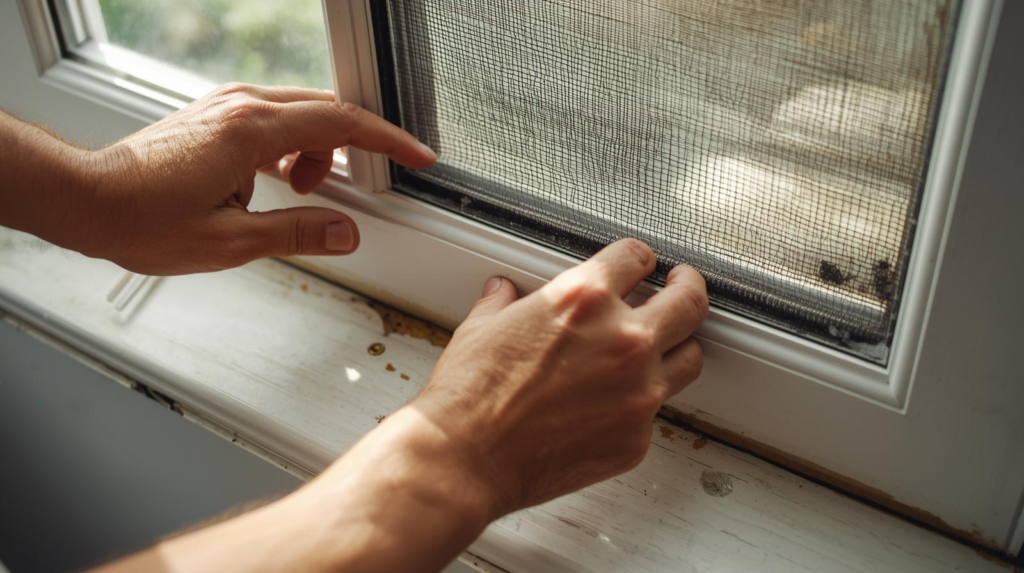
- Repair window/door screens
- Add door sweeps or improve weatherstripping
- Seal gaps around utility lines and vents (especially higher up for cluster flies) (Virginia Tech Publications)
Step 4: Reduce adults safely while the source dries up
To make the house livable while you remove breeding sites:
- Sticky fly tape or window traps
- Covered food and wiped counters
- Vacuuming resting flies (especially cluster flies)
This part helps comfort, but remember: the source removal is what ends it.
Why flies keep coming back even after you kill them
Usually one of these is still true:
- The breeding site is still present (often hidden)
- There are multiple breeding sites (trash + drains is common)
- Outdoor attraction remains strong (bins close to doors)
- Seasonal invaders are repeatedly entering through gaps (University of Maryland Extension)
When to call a professional
Consider pro help if:
- You suspect a dead animal in a wall/attic but can’t access it (Yard and Garden)
- Flies are emerging from unusual places (baseboards, light fixtures, floor gaps)
- You have a recurring problem that returns within days of cleaning (could indicate a drain/sewer issue in some cases, depending on fly type) (University of Maryland Extension)
FAQs
Why are there suddenly so many flies in my house overnight?
A sudden surge usually means there’s a strong source: trash/food buildup, a drain breeding site, or (for larger flies) a potential dead animal in a structural void.
Does one fruit fly mean I have an infestation?
Not necessarily, but fruit flies reproduce fast if there’s fermenting food or residue available. The reliable fix is to find and remove breeding sources (overripe produce, sticky spills, trash, residue around sinks).
Are drain flies a sign of sewage?
Not always. They commonly breed in the slime film that builds up in drains and traps. Cleaning the buildup is the core control strategy.
Do house flies carry germs?
They can mechanically transmit disease organisms because of their feeding and landing behavior after contacting contaminated material.
The fastest way to solve this (summary)
- Identify the fly type by where it shows up most
- Remove the breeding source (produce/trash/drain slime/dead animal)
- Block entry points (screens, door gaps, attic/vent gaps)
- Use traps/vacuum for adults while the source is eliminated
Related Articles
https://homeandgardenworld.com/advice/how-to-get-rid-of-cockroaches
https://homeandgardenworld.com/advice/how-to-get-rid-of-wasps