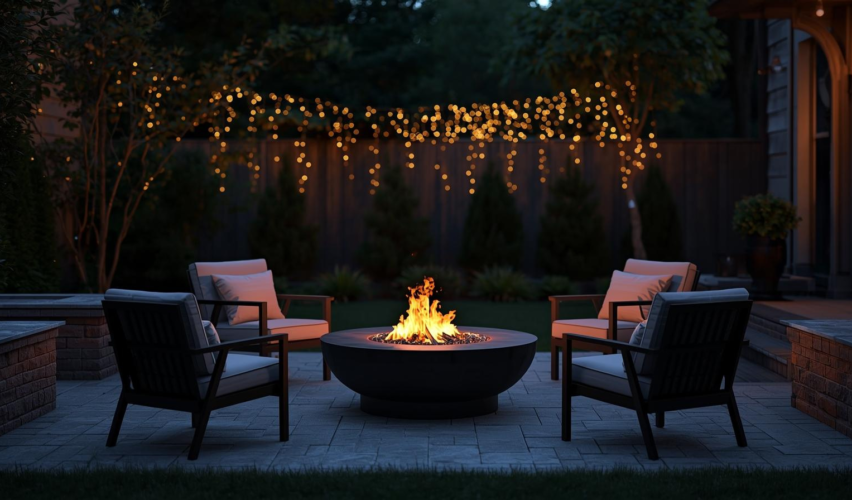
A good fire pit turns any outdoor space into a destination—whether you want a nearly smokeless backyard hangout, a quick-on propane flame for weeknights, or a portable pit you can toss in the car for tailgates. The “best” one for you mostly comes down to fuel type (wood vs. propane), how much smoke you’ll tolerate, and whether you want it purely for ambiance or also for cooking.
Quick Picks
Best overall: Breeo Y Series — tough build and strong performance across testing-focused roundups. Price range: $350–$600+ (Pricing may vary.)
Best smokeless value: Solo Stove Bonfire 2.0 — repeatedly top-rated for smoke control and ease of use. Price range: $200–$350 (Pricing may vary.)
Best traditional wood pit: Tiki Patio Fire Pit — Reviewed’s best overall for backyard wood burning. Price range: $300–$450 (Pricing may vary.)
Best propane bowl: Outland Living Firebowl (Mega size) — BHG’s best overall pick highlights easy propane convenience. Price range: $150–$300 (Pricing may vary.)
Best propane fire pit table: Latitude Run Propane Fire Pit Table — The Spruce’s tested “best overall” for propane tables. Price range: $250–$600 (Pricing may vary.)
Best tabletop (compact ambiance): Solo Stove Mesa — BHG’s tabletop-friendly pick for small-space glow. Price range: $80–$130 (Pricing may vary.)
Our Methodology
To choose these fire pits, we prioritized models that appear in hands-on tested and editorially reviewed roundups from outlets with clear testing notes, including Tom’s Guide, Reviewed, The Spruce, Serious Eats, OutdoorGearLab, Popular Mechanics, and Better Homes & Gardens. (Tom’s Guide)
We evaluated picks on the criteria that most affect real-world satisfaction: smoke management, heat output and comfort radius, ease of lighting and cleanup, durability/materials, stability and safety features, portability, and value (including accessory ecosystems and refuels). We also include safety guidance grounded in NFPA and CPSC recommendations (clearance distance, stable surfaces, safe ignition practices, and avoiding dangerous fuels). (NFPA)
Comparison Table
| Fire pit | Best for | Key features | Price range |
| Breeo Y Series | Best overall | Tested favorite; smokeless-style airflow; portable-oriented design | $350–$600+ |
| Solo Stove Bonfire 2.0 | Best smokeless value | Strong smoke control; easy cleanup; widely tested | $200–$350 |
| Solo Stove Yukon 2.0 | Best for big groups | Large smokeless-format pit for bigger gatherings | $350–$550 |
| Tiki Patio Fire Pit | Best traditional wood pit | Reviewed’s top pick; centerpiece flames; easier cleanup design | $300–$450 |
| Amazon Basics Steel Lattice | Best budget wood pit | Simple classic bowl; value pick in Tom’s Guide testing | $60–$120 |
| Bali Outdoors 32-Inch w/ Grill | Best for grilling | Integrated adjustable grill-style setup; backyard cookouts | $120–$250 |
| BioLite FirePit+ | Best portable (tech-forward) | Built-in fan helps fire start fast; travel-friendly | $200–$300 |
| Tiki Smokeless Rectangular | Best portable smokeless | Portable form factor; smokeless-style design | $250–$400 |
| Cuisinart Cleanburn | Best “pure smokeless” feel | Strong heat experience in Tom’s Guide testing | $150–$250 |
| Outland Living Firebowl Mega | Best propane bowl | Easy propane setup; BHG best overall | $150–$300 |
| Tiki Customizable Propane | Best ambiance propane | Good looks; simple setup per Reviewed | $250–$400 |
| Latitude Run Propane Table | Best propane table overall | Tested overall winner at The Spruce | $250–$600 |
| Ninja Fireside360 | Best high-output heater/pit hybrid | 80,000 BTU claim; 360° heating concept | ~$449 |
| Solo Stove Mesa | Best tabletop | Compact “mini pit” for small outdoor spaces | $80–$130 |
The 14 Best Fire Pits
Breeo Y Series
A strong “do-it-all” pick if you want a durable backyard fire pit that’s also flexible for different setups. The Spruce has named the Breeo Y Series its best overall in fire-pit testing coverage, and Serious Eats also highlighted it among favorites in its tested roundup. (The Spruce)
Pros:
- Frequently recommended in testing-based guides
- Built to be stable and outdoor-friendly
- Good fit for people who care about materials and longevity
Cons:
- Premium pricing compared with budget pits
- Accessories and add-ons can add up
Pricing: $350–$600+ (Pricing may vary.)
Solo Stove Bonfire 2.0
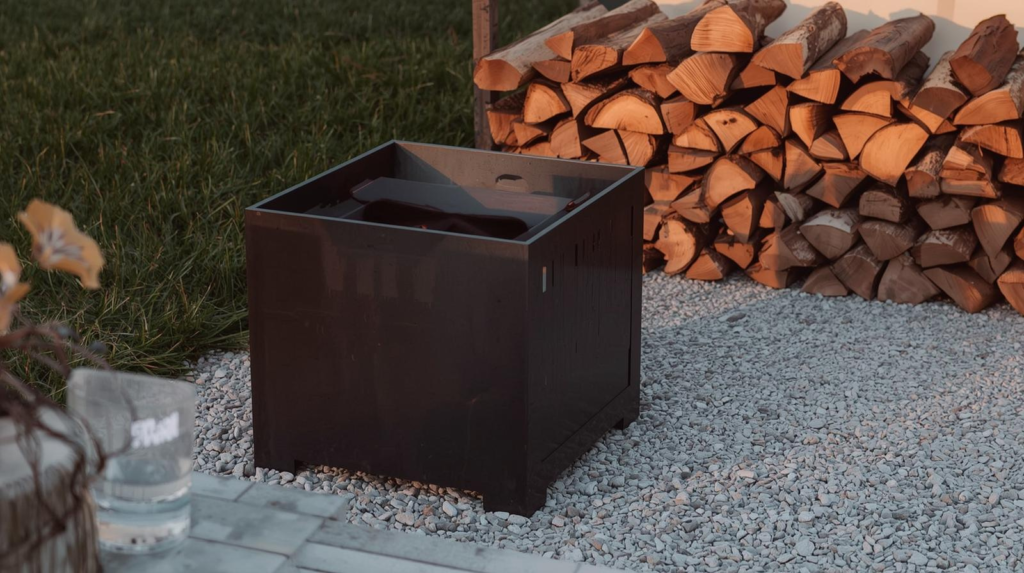
If you want a true smokeless-style backyard experience without overthinking it, the Bonfire 2.0 is one of the most consistently top-rated choices across testers (Tom’s Guide, OutdoorGearLab, and Serious Eats all rate it highly). (Tom’s Guide)
Pros:
- Excellent smoke control when used correctly
- Easy assembly and cleanup compared with many wood pits
- Strong balance of portability and performance
Cons:
- Still needs dry wood and good airflow to stay low-smoke
- Heat is concentrated; you may want a stand/positioning plan
Pricing: $200–$350 (Pricing may vary.)

Solo Stove Yukon 2.0
For larger patios and bigger groups, Yukon 2.0 is the “scale up” option that shows up as a top large smokeless pick in The Spruce and BHG testing-driven coverage. (The Spruce)
Pros:
- Better for hosting (bigger fire, bigger circle)
- Smokeless-style design for more comfortable seating
Cons:
- Larger footprint and heavier to move
- Burns through more wood than smaller pits
Pricing: $350–$550 (Pricing may vary.)
Tiki Patio Fire Pit
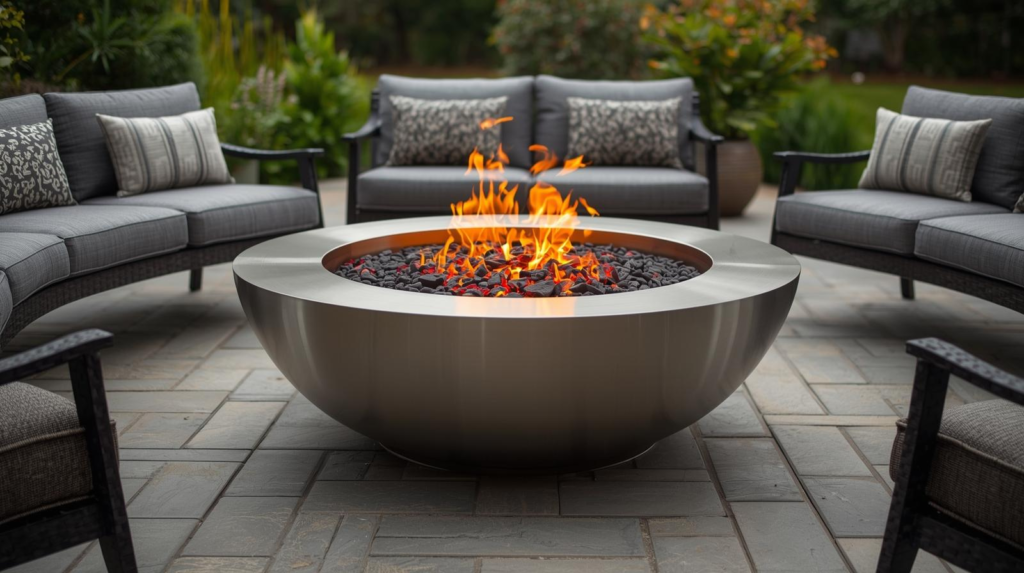
If you want a classic wood-burning centerpiece with strong “hangout” vibes, Reviewed named the Tiki Patio Fire Pit its best overall pick, calling out easy lighting and easier cleanup relative to many wood pits. (Reviewed)
Pros:
- Strong centerpiece flames and backyard ambiance
- Easier maintenance design than many basic bowls
Cons:
- Reviewed’s top overall pick
- Heavy (less “move it every weekend”)
- Needs storage/covering habits for longevity
Pricing: $300–$450 (Pricing may vary.)
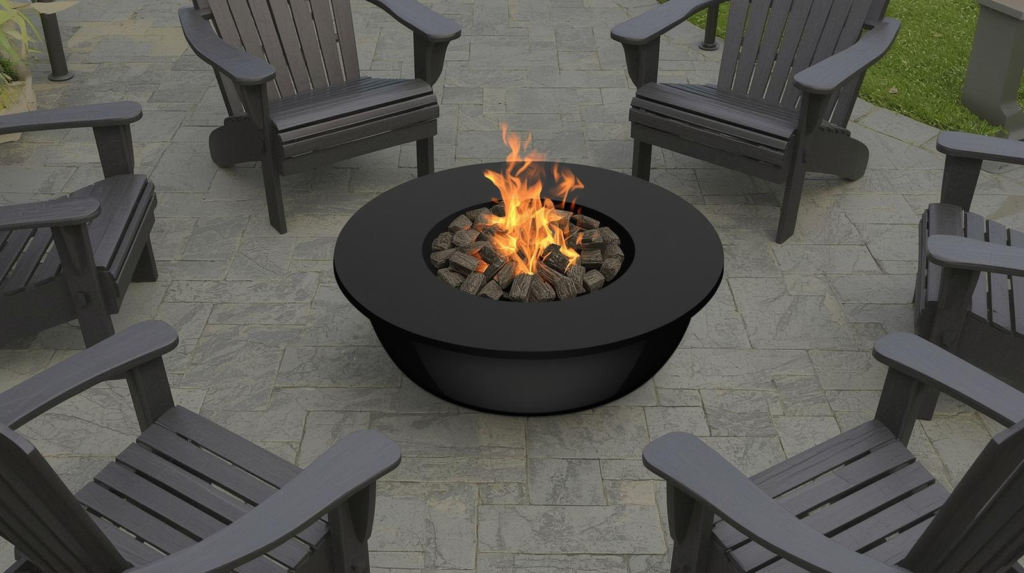
Amazon Basics Steel Lattice Fire Pit
Tom’s Guide’s budget pick is the kind of “simple bowl pit” many people want: straightforward, inexpensive, and good enough for occasional backyard nights. (Tom’s Guide)
Pros:
- Affordable entry point
- Classic design that’s easy to understand and use
- Lightweight compared with many heavy steel pits
Cons:
- Not smokeless
- Materials and longevity typically won’t match premium pits
Pricing: $60–$120 (Pricing may vary.)
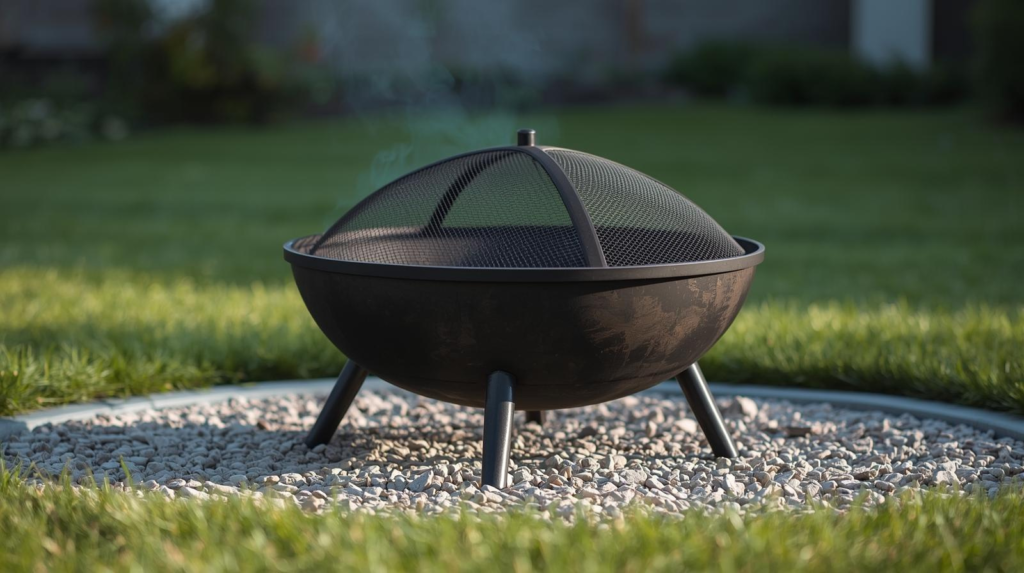
Bali Outdoors 32-Inch Fire Pit with Grill
If your fire pit is also your “casual outdoor cooking station,” Tom’s Guide highlights this model as its pick with a grilling rack—useful for hot dogs, skewers, and simple cookout foods. (Tom’s Guide)
Pros:
- Built-in grill-style functionality
- Great for cookouts and backyard gatherings
- Classic fire-pit experience
Cons:
- More parts to manage (rack + fire)
- Not smokeless; sparks and smoke depend on fuel and wind
Pricing: $120–$250 (Pricing may vary.)

BioLite FirePit+
Reviewed’s portable pick stands out for its built-in fan assistance, which helps the fire start faster and burn more controllably than many tiny pits. (Reviewed)
Pros:
- Portable and car-camping friendly
- Fan assistance can simplify fire starting
- Can double as a small grill-style setup
Cons:
- Small size limits log length
- Battery charging/maintenance adds complexity
Pricing: $200–$300 (Pricing may vary.)
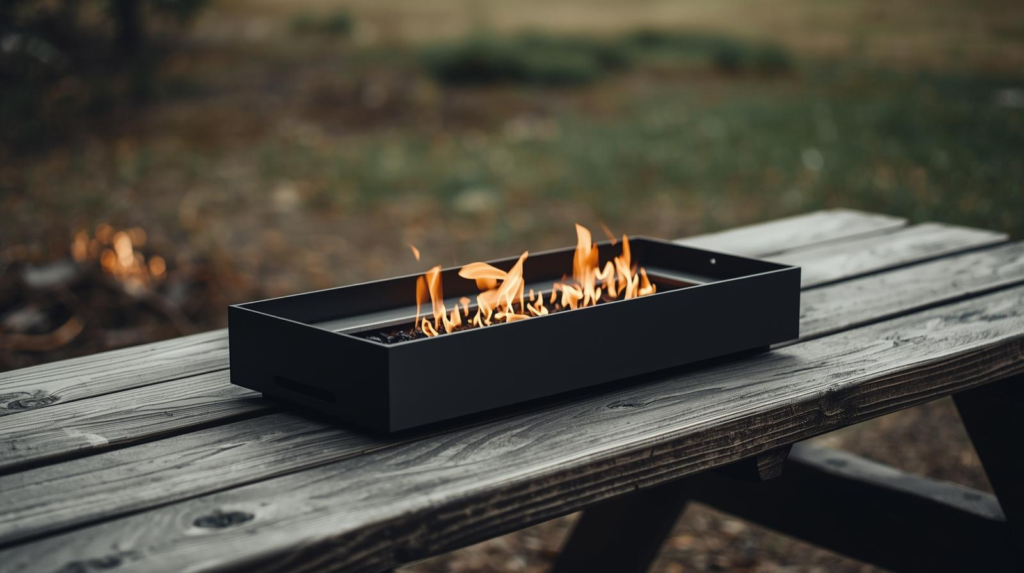
Tiki Smokeless Rectangular Fire Pit
Tom’s Guide calls out Tiki’s rectangular smokeless-style option as a strong portable choice—good when you want a cleaner burn without bringing a massive pit. (Tom’s Guide)
Pros:
- Portable-friendly shape with smokeless-style airflow
- Good compromise between size and performance
Cons:
- Still needs dry fuel for low-smoke results
- Premium-priced vs. basic bowls
Pricing: $250–$400 (Pricing may vary.)
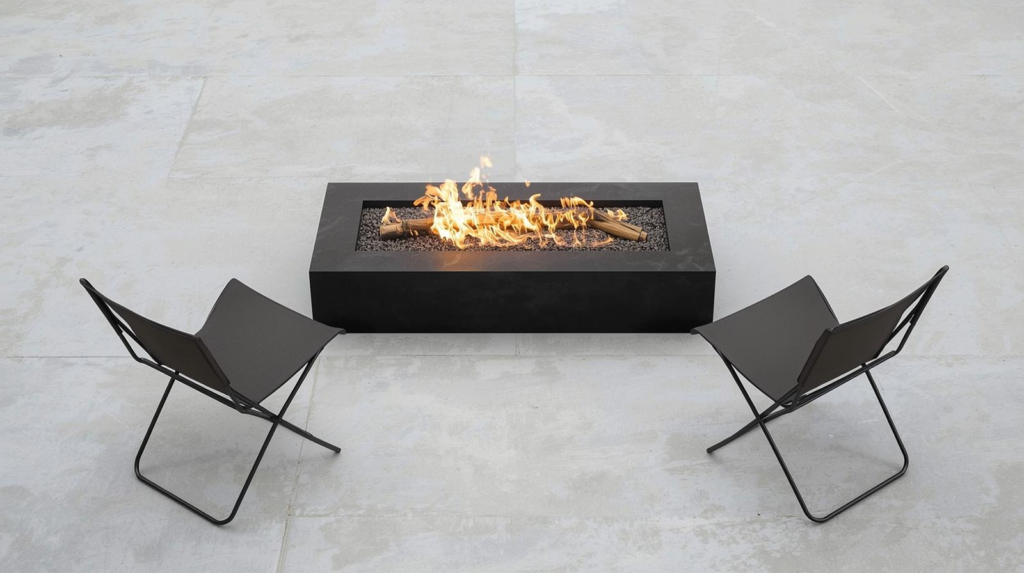
Cuisinart Cleanburn
If you’re chasing a “pure smokeless” feel, Tom’s Guide highlights this model for the overall fireside experience and noticeable heat at distance in testing. (Tom’s Guide)
Pros:
- Strong heat experience for its size
- Smokeless-style performance when fueled properly
Cons:
- Cleaning and maintenance can be less convenient than top picks
- Not the best choice if you want “set-and-forget” simplicity
Pricing: $150–$250 (Pricing may vary.)
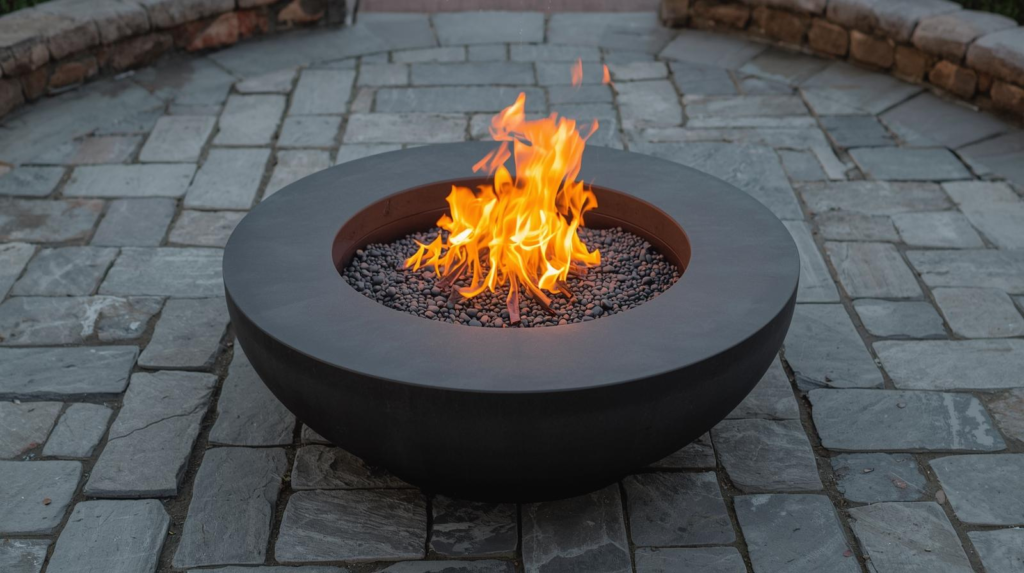
Outland Living Firebowl (Mega size)
For propane convenience without a “full table,” BHG’s testing roundup named the Outland Living Firebowl Mega its best overall, highlighting easy use and strong warmth for gatherings. (Better Homes & Gardens)
Pros:
- Fast ignition and easy shutoff (propane)
- Portable bowl format for patios and campsites (where allowed)
- Less mess than wood burning
Cons:
- You’ll need a propane tank and storage plan
- Flame height/heat depends on BTU rating and wind
Pricing: $150–$300 (Pricing may vary.)
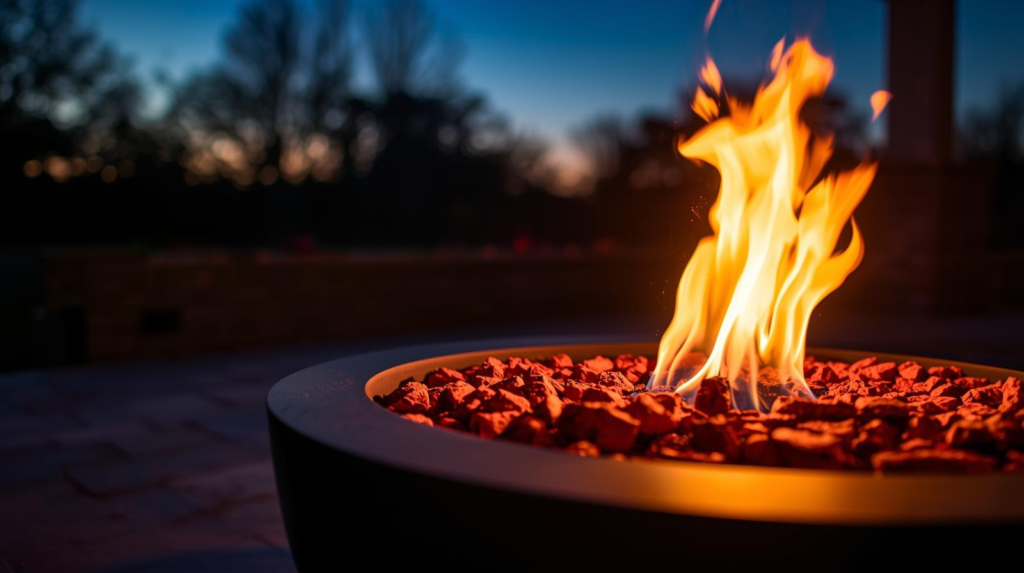
Tiki Customizable Propane Fire Pit
Reviewed’s best propane pick emphasizes a good-looking, ambiance-forward propane unit that’s easy to set up—ideal if your priority is vibes over maximum heat. (Reviewed)
Pros:
- Cleaner operation than wood (no ash, no sparks)
- Attractive design for patios
- Easy setup per Reviewed
Cons:
- Typically less radiant heat than wood pits
- Requires propane refills and tank concealment planning
Pricing: $250–$400 (Pricing may vary.)
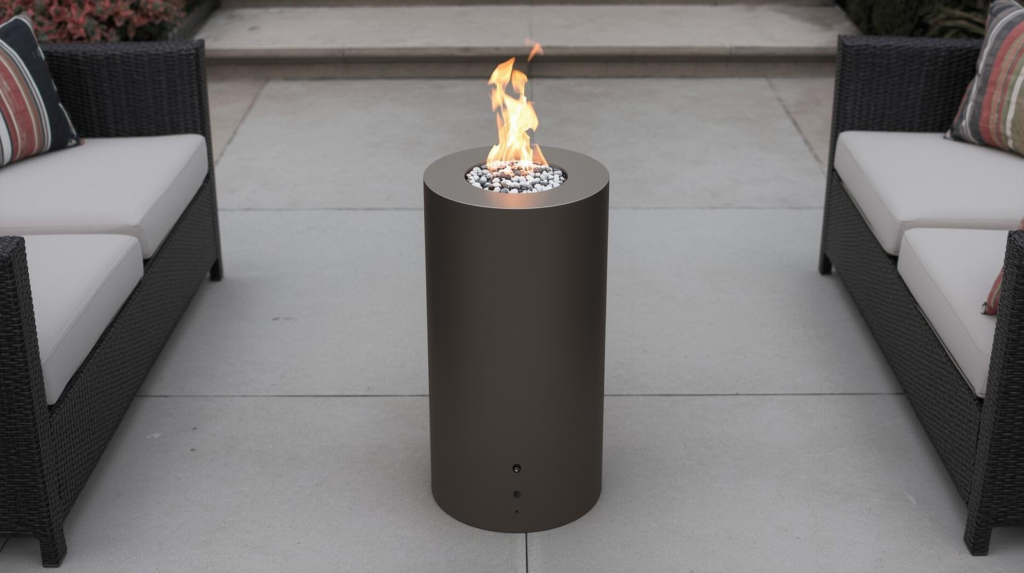
Latitude Run Propane Fire Pit Table
If you want the “patio furniture” look—fire pit plus usable surface—the Spruce’s tested propane roundup named a Latitude Run fire pit table its best overall. (The Spruce)
Pros:
- Table format is practical for drinks and snacks
- Propane convenience with steady flame control
- Good fit for entertaining spaces
Cons:
- Takes up more space than a bowl pit
- Needs careful surface protection and placement to avoid tipping hazards
Pricing: $250–$600 (Pricing may vary.)
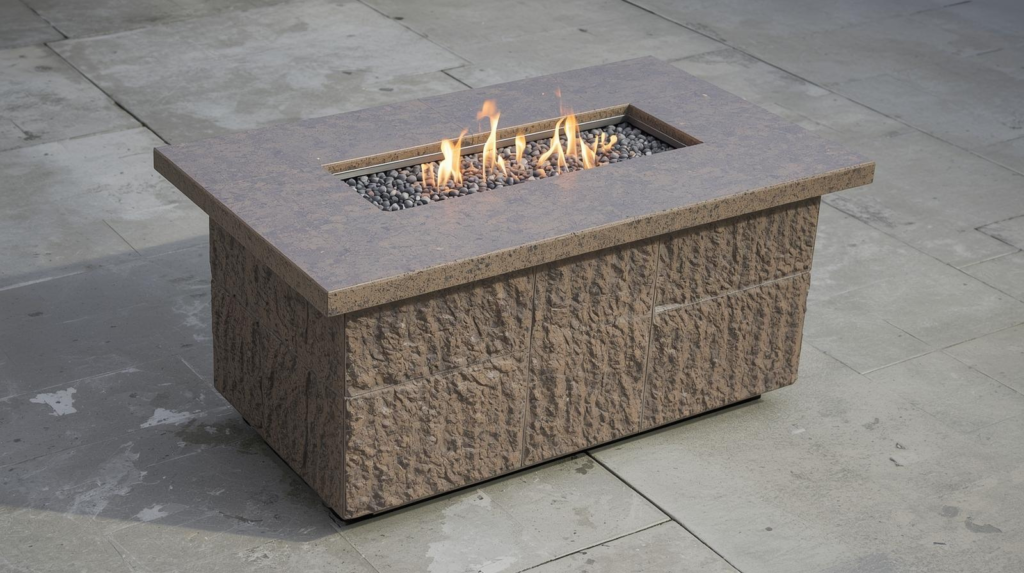
Ninja Fireside360 Outdoor Heater and Firepit
If your priority is heat output and “turn-the-dial” convenience, Ninja’s Fireside360 is positioned as a high-output propane option, with Tom’s Guide noting an 80,000 BTU claim and a $449 price point. (Tom’s Guide)
Pros:
- High-output concept for colder nights
- Propane simplicity (no ash cleanup)
- Designed as a heater/firepit hybrid
Cons:
- Higher upfront cost than many propane bowls
- Still requires safe clearance and stable placement
Pricing: ~$449 (Pricing may vary.) (Tom’s Guide)
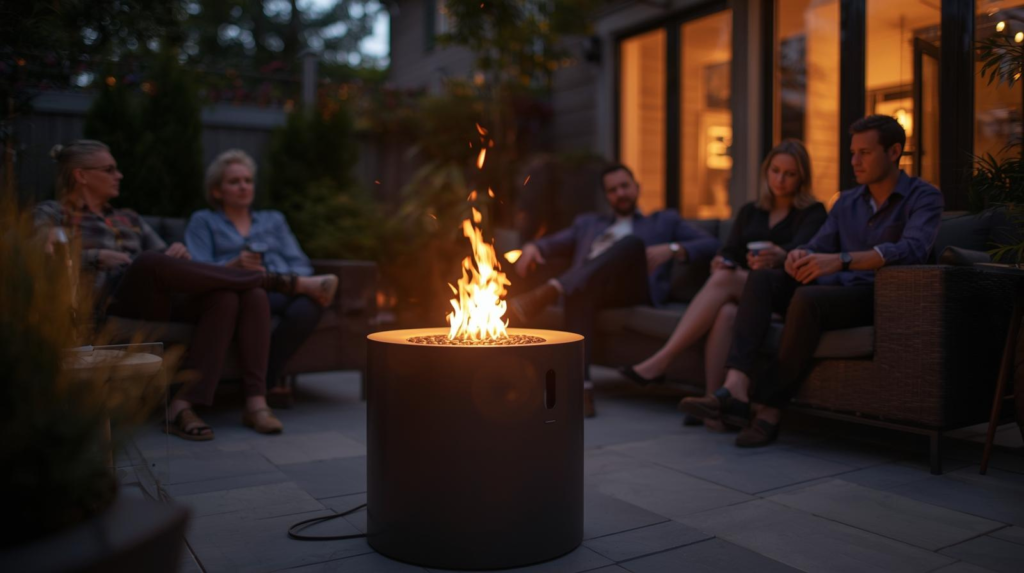
Solo Stove Mesa
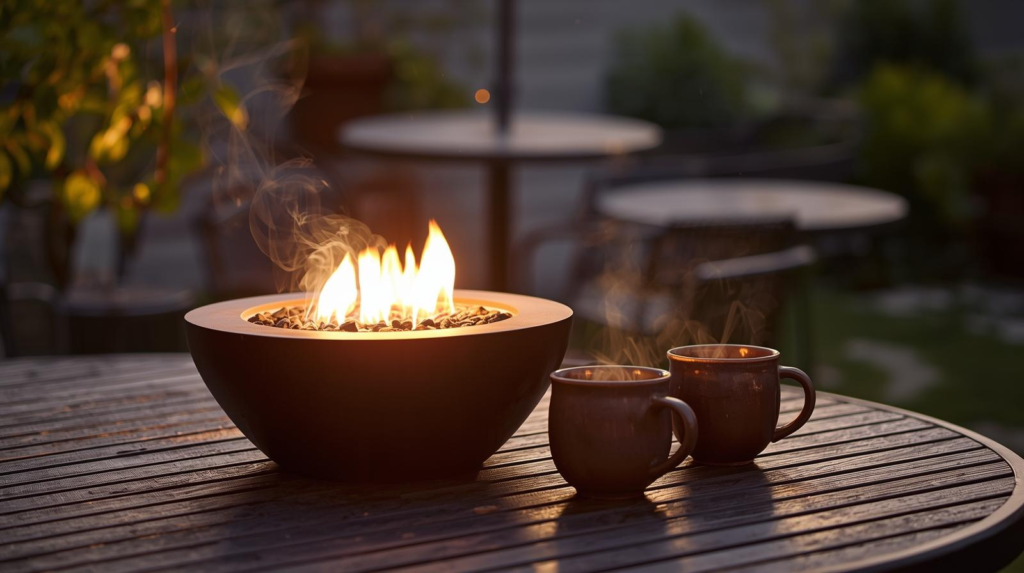
For small patios, balconies (where permitted), or tabletop ambiance outdoors, BHG highlights the Mesa as a compact choice—more “mood” than “heat the whole yard.” (Better Homes & Gardens)
Pros:
- Small footprint for tight spaces
- Easy way to add glow and ambiance
- More approachable than full-size pits
Cons:
- Limited heat radius
- Requires careful placement away from edges and flammables
Pricing: $80–$130 (Pricing may vary.)
Buying Guide
Choose your fuel first. Wood gives the biggest “real campfire” experience and often more radiant warmth; propane is fastest to start/stop and cleaner (no ash), but can feel less intense.
Smokeless doesn’t mean no smoke. Smokeless-style pits reduce smoke when you use dry fuel and keep airflow clear, but poor wood or wind can still create smoke.
Match size to your hangout. If you host groups, pick a larger diameter pit; if you’re mostly 2–4 people, mid-size is easier to store and fuel.
Prioritize safety and placement. NFPA safety messaging commonly recommends keeping fire features at least 10 feet from anything that can burn and placing them on stable, noncombustible surfaces. (NFPA) Keep a hose, extinguisher, or sand nearby and never use gasoline or improper accelerants—CPSC explicitly warns against adding liquid fuel. (U.S. Consumer Product Safety Commission)
Be cautious with tabletop alcohol burners. There have been major recalls tied to flame jetting and refueling hazards in certain tabletop fire pits that used liquid alcohol fuels. (AP News) If you want tabletop ambiance, stick to reputable designs and follow fuel/refueling instructions exactly.
FAQs
What type of fire pit gives off the most heat?
Wood-burning pits usually feel hottest up close, while high-BTU propane models can project more predictable heat output. Smokeless-style pits can be very hot but still depend heavily on fuel quality and airflow.
Are smokeless fire pits actually smokeless?
They’re “low-smoke,” not zero-smoke. With dry wood and good airflow they can be dramatically cleaner than open bowls, but damp fuel, wind, and poor fire-building will still create smoke.
How far should a fire pit be from the house?
NFPA educational guidance commonly cites 10 feet as a minimum clearance from anything that can burn, and you should also follow local rules and manufacturer instructions.
Is propane safer than wood for a fire pit?
Propane is easier to control (instant on/off, no embers), but it still requires careful setup, stable placement, and proper handling of gas connections. Wood involves sparks and embers, so screens and clearance matter more.
Can I use a fire pit on a deck?
Rules and safety guidance vary by product and local code, but many safety resources emphasize stable, noncombustible placement and adequate clearance—wood decks are higher-risk for stray embers. When in doubt, use a manufacturer-approved heat shield and follow local guidance.
What should I keep nearby when using a fire pit?
CPSC safety advice recommends having a hose, extinguisher, or other extinguishing method ready, and using safe fire starters only before lighting (never add liquid fuel after).
Related Article
https://homeandgardenworld.com/buyer-guide/the-best-office-plants