Office plants do more than make a workspace look “finished.” The right plant can soften harsh lighting, add a little calm to a screen-heavy day, and make a desk or break room feel more human—without turning your workweek into a plant-care chore.
This guide focuses on plants that actually fit office reality: inconsistent light, dry HVAC air, occasional missed waterings, and limited space. You’ll find quick standout picks first, then a deeper breakdown of the best options (including pet-safety notes and practical care tips).
Our Methodology
To choose the best office plants, we prioritized reliability over rarity and real-world survivability over perfection. Our research pulls from practical horticulture guidance like the University of Maryland Extension’s indoor lighting recommendations, university plant databases and extension articles (for care tolerance and common failure points) like the NC State Extension Gardener Plant Toolbox, and pet-safety references from the ASPCA’s toxic/non-toxic plant database.
We scored plants across: low/medium-light tolerance, watering forgiveness, desk footprint, pest resistance, growth manageability indoors, and “office compatibility” factors like HVAC dryness and temperature swings. When pet toxicity is relevant, we used the ASPCA database entries for specific plants.
Quick Picks
Best overall: ZZ Plant (Zamioculcas zamiifolia) — Nearly bulletproof in low light with infrequent watering; great for beginners. (Yard and Garden) Price range: $20–$80+ (Pricing may vary.)
Best low light: Snake Plant (Dracaena/Sansevieria trifasciata) — Handles very low light and missed waterings; upright and compact. (Plant Toolbox) Price range: $15–$70+ (Pricing may vary.)
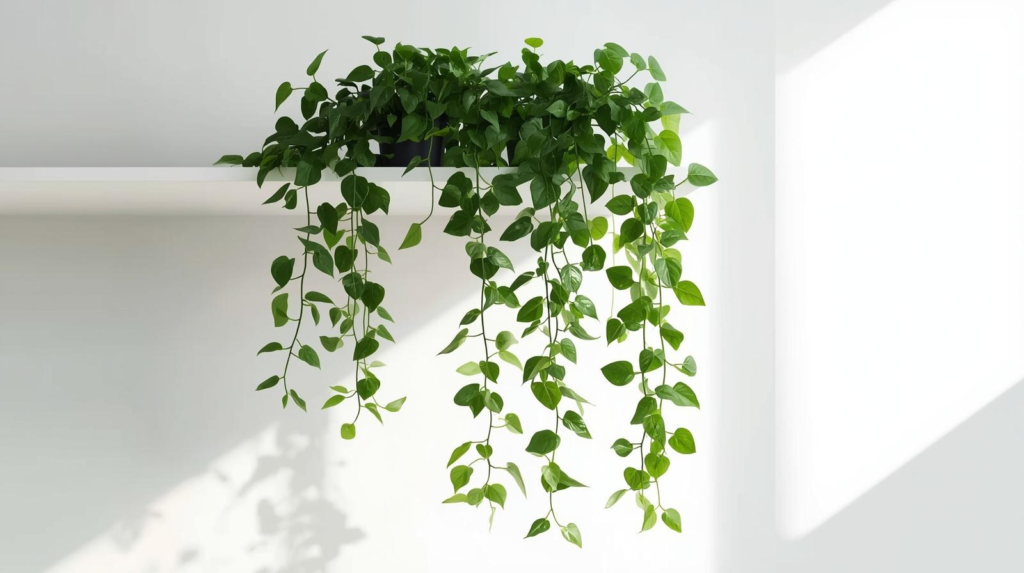
Best trailing plant: Pothos (Epipremnum aureum) — Fast-growing vine for shelves and cabinets; tolerates low light. (Better Homes & Gardens) Price range: $10–$40 (Pricing may vary.)
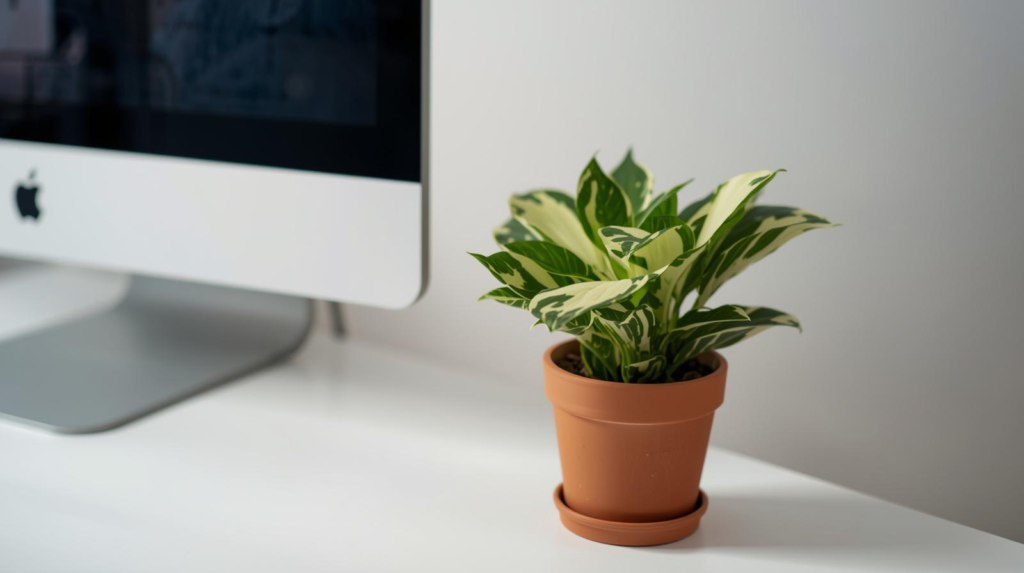
Best for adding color: Chinese Evergreen (Aglaonema) — Variegated leaves brighten dull corners; strong low-light performer. (Home & Garden Information Center) Price range: $20–$70 (Pricing may vary.)
Best pet-safe desk plant: Baby Rubber Plant (Peperomia obtusifolia) — Compact, forgiving, and listed as non-toxic to cats and dogs. (ASPCA) Price range: $12–$45 (Pricing may vary.)
Best flowering desktop plant: African Violet (Saintpaulia) — Small, colorful blooms with the right light; pet-safe. (ASPCA) Price range: $10–$35 (Pricing may vary.)
Best pet-safe floor plant: Parlor Palm (Chamaedorea elegans) — Soft texture, office-friendly growth, non-toxic to pets. (ASPCA) Price range: $25–$120 (Pricing may vary.)
Comparison Table
| Plant | Best for | Key features | Price range* |
| ZZ Plant | Lowest-effort greenery | Very low light tolerance, drought-tolerant | $20–$80+ |
| Snake Plant | Low light + forgetful watering | Upright, tough, slow-growing | $15–$70+ |
| Pothos | Shelves and cabinets | Trailing vine, easy propagation | $10–$40 |
| Chinese Evergreen | Color in low light | Variegated leaves, office-friendly | $20–$70 |
| Cast Iron Plant | True “set and forget” | Extremely hardy, low-light capable | $25–$90 |
| Peace Lily | Flowers in low light | Blooms indoors, likes steady moisture | $20–$80 |
| Corn Plant (Dracaena fragrans) | Floor plant for corners | Tall cane form, medium-light tolerant | $30–$150 |
| Heartleaf Philodendron | Fast green coverage | Trailing/climbing, adaptable | $12–$45 |
| Parlor Palm | Pet-safe floor greenery | Soft fronds, non-toxic | $25–$120 |
| Spider Plant | Pet-safe starter plant | Tough, makes “babies,” hanging-friendly | $10–$35 |
| Money Tree | Pet-safe statement plant | Braided trunk common, bright-indirect best | $25–$150 |
| Baby Rubber Plant | Pet-safe compact plant | Thick leaves, tidy growth | $12–$45 |
| Wax Plant (Hoya) | Pet-safe trailing blooms | Waxy leaves, occasional flowers | $15–$60 |
| Prayer Plant (Maranta/Calathea) | Pet-safe patterned leaves | Bold patterns, likes humidity | $15–$55 |
| African Violet | Pet-safe color on desks | Blooms with adequate light | $10–$35 |
| Boston Fern | Pet-safe lush texture | Likes humidity, bright-indirect | $15–$60 |
*Pricing may vary by pot size, cultivar, and region.
The 16 Best Office Plants
1. ZZ Plant (Zamioculcas zamiifolia)
If you want a plant that quietly succeeds while you ignore it, this is the one. ZZ plants tolerate low light and dry air better than most common houseplants, which is exactly what many offices deliver. (Yard and Garden)
[FLAG: The source supports low light tolerance and prolonged dry periods, but not the “better than most” comparison.]
Pros:
Doesn’t need frequent watering
Looks polished and architectural
Cons:
Slow growth in very low light (Real Simple)
Not ideal if you want quick visual “fill”
Pricing: $20–$80+ (Pricing may vary.)
2. Snake Plant (Dracaena/Sansevieria trifasciata)
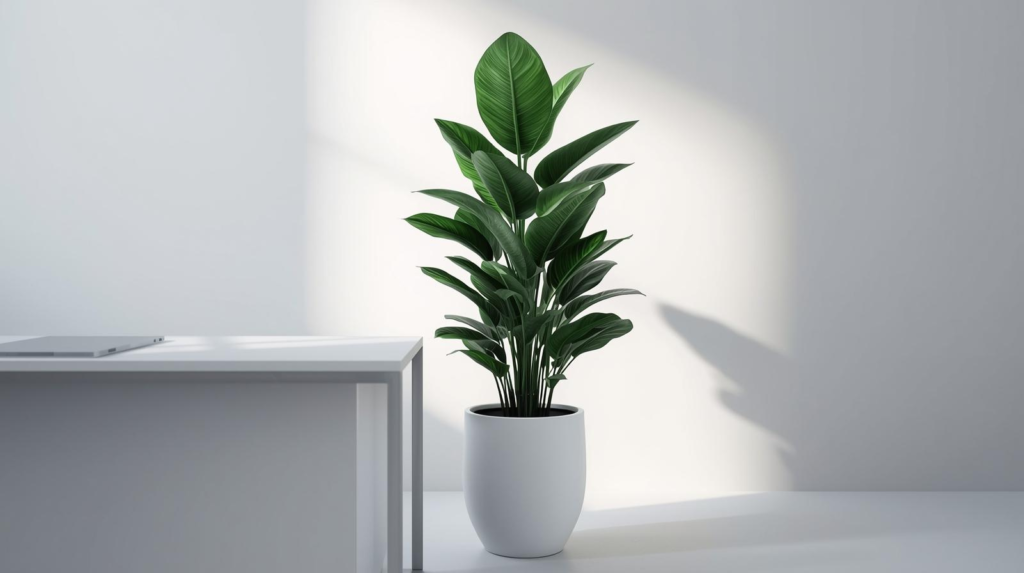
Snake plants are famously tolerant: they handle very low light and infrequent watering, and they stay narrow—perfect for tight cubicles or corners. (Plant Toolbox) Note: the ASPCA lists snake plant as toxic to cats and dogs. (ASPCA)
Pros:
Tolerates very low light (Plant Toolbox)
Great for desks, ledges, and corners
Low maintenance overall
Cons:
Toxic to cats and dogs (ASPCA)
Overwatering is the fastest way to kill it
Pricing: $15–$70+ (Pricing may vary.)
3. Pothos (Epipremnum aureum)
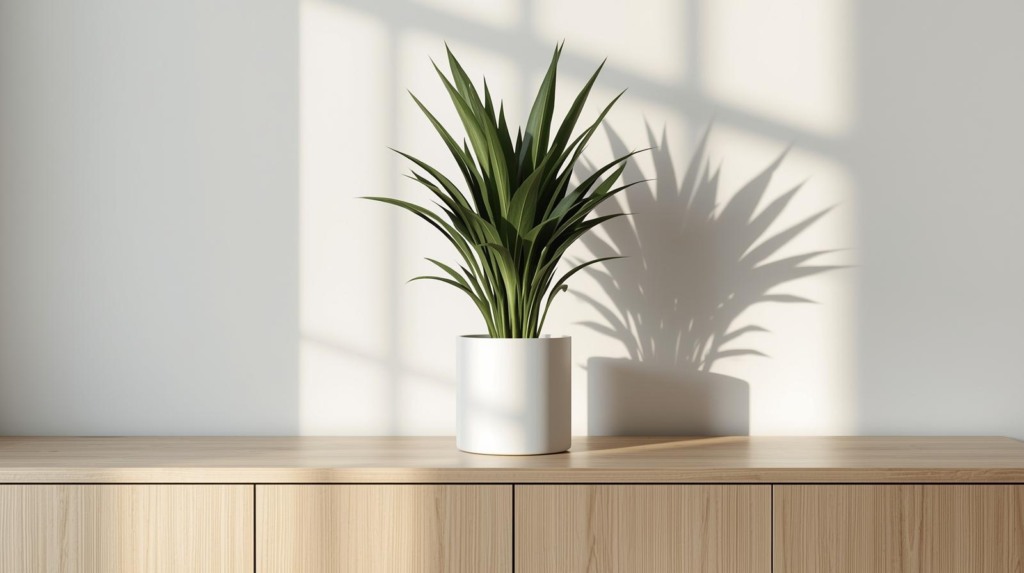
Pothos is the easiest way to add “green volume” fast. It trails from shelves, softens filing cabinets, and tolerates low light (though it grows faster with more). (Better Homes & Gardens) Pet note: ASPCA lists golden pothos as toxic to cats and dogs. (ASPCA)
Pros:
Very tolerant and beginner-friendly (Better Homes & Gardens)
Great trailing plant for shelves
Easy to propagate from cuttings
Cons:
Toxic to cats and dogs (ASPCA)
Can get leggy in very low light
Pricing: $10–$40 (Pricing may vary.)
4. Chinese Evergreen (Aglaonema)
Chinese evergreen is a top pick for “sad light” offices. Many varieties bring silver, pink, or red tones, and it’s widely described as a strong low-light indoor plant. (Home & Garden Information Center)
Pros:
Excellent for low-light indoor locations (Home & Garden Information Center)
Colorful foliage options
Manageable growth for desks and small stands
Cons:
Variegated types often want a bit more light for best color (Home & Garden Information Center)
Doesn’t love cold drafts
Pricing: $20–$70 (Pricing may vary.)
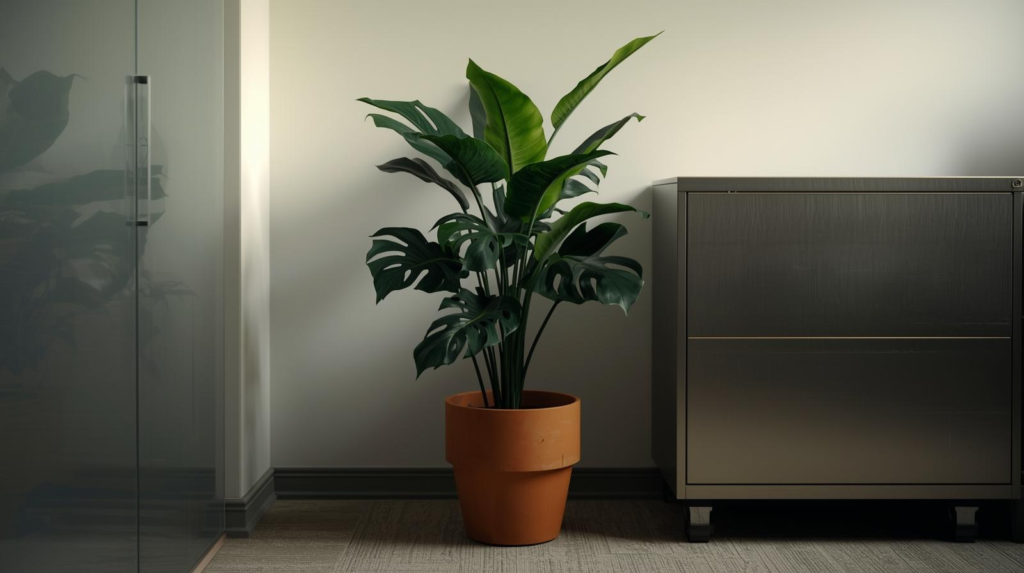
5. Cast Iron Plant (Aspidistra elatior)
The name isn’t subtle—cast iron plant is built for neglect. It’s regularly cited as a low-light, low-maintenance option for challenging indoor spaces. (Real Simple)
Pros:
Very tolerant of low light (University of Maryland Extension)
Handles missed waterings well (Real Simple)
Great “quiet” floor or corner plant
Cons:
Slow grower
Leaves can collect dust in offices (wipe occasionally)
Pricing: $25–$90 (Pricing may vary.)
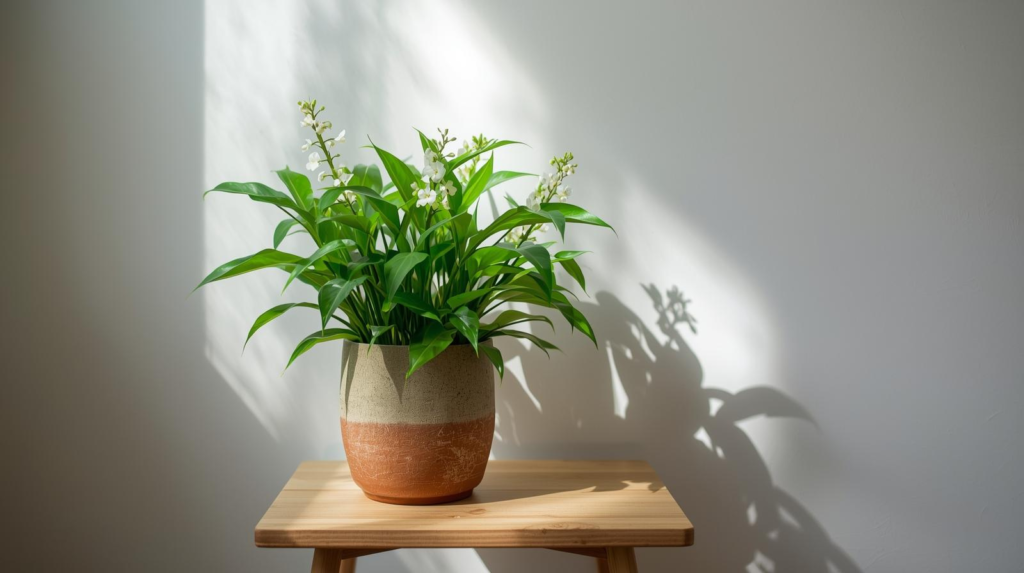
6. Peace Lily (Spathiphyllum)
Peace lilies are one of the most approachable flowering office plants, and they show you when they’re thirsty (dramatic droop, quick recovery). They’re also listed as low-light examples by the University of Maryland Extension. (University of Maryland Extension) Pet note: ASPCA lists peace lily as toxic to cats and dogs. (ASPCA)
Pros:
Can flower indoors in low/medium light (University of Maryland Extension)
Clear watering signal (wilts when dry)
Works well on desks or side tables
Cons:
Toxic to cats and dogs (ASPCA)
Prefers more consistent moisture than “desert” plants
Pricing: $20–$80 (Pricing may vary.)
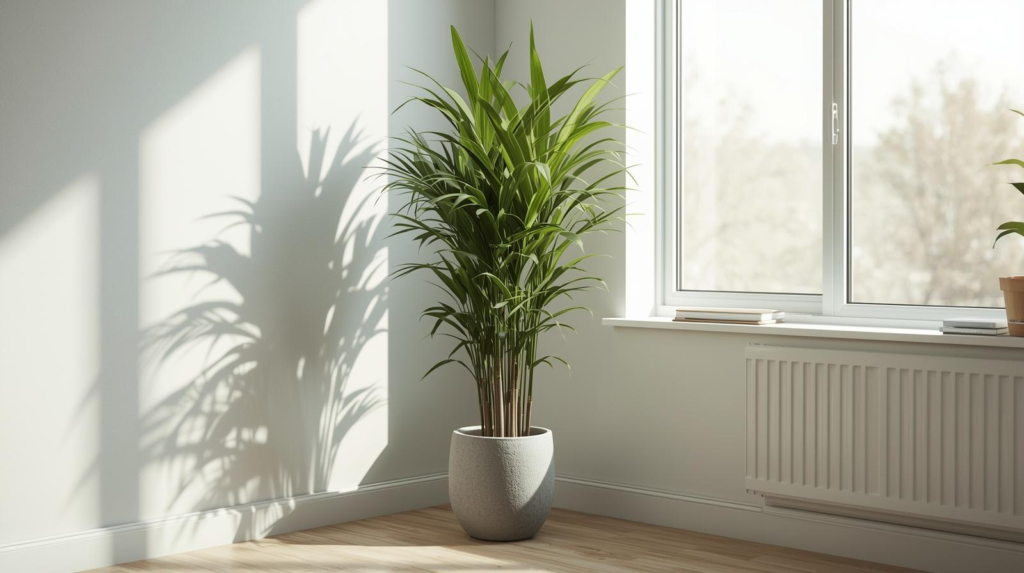
7. Corn Plant (Dracaena fragrans)
Corn plant (a dracaena) is a classic office floor plant: upright cane form, tolerates medium light, and fills space without needing a lot of width. (Plant Toolbox) The ASPCA lists corn plant as toxic to cats and dogs. (ASPCA)
Pros:
Strong choice for corners and floor placement
Tolerates medium-bright indoor light (University of Maryland Extension)
Adds height without taking much floor space
Cons:
Toxic to cats and dogs (ASPCA)
Sensitive to overwatering
Pricing: $30–$150 (Pricing may vary.)
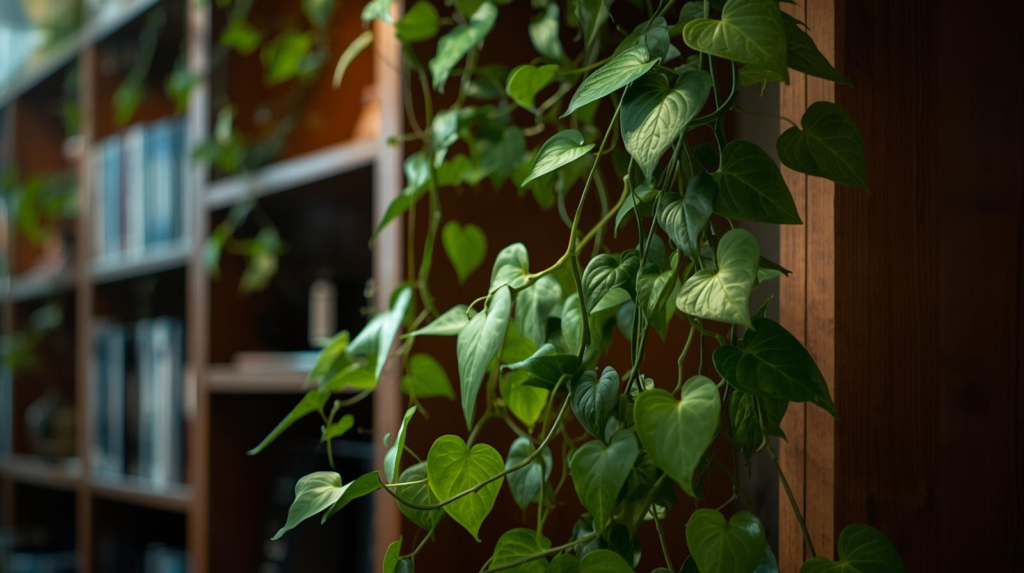
8. Heartleaf Philodendron (Philodendron hederaceum)
Like pothos, heartleaf philodendron is an easy “green drape” plant for shelves and cabinets, but it often looks a bit more velvety and heart-shaped. Pet note: ASPCA lists heartleaf philodendron as toxic to cats and dogs. (ASPCA)
Pros:
Great trailing/climbing habit for shelves
Adapts to moderate indoor light (Plant Toolbox)
Easy to shape with pruning
Cons:
Toxic to cats and dogs (ASPCA)
Can look sparse in very low light
Pricing: $12–$45 (Pricing may vary.)
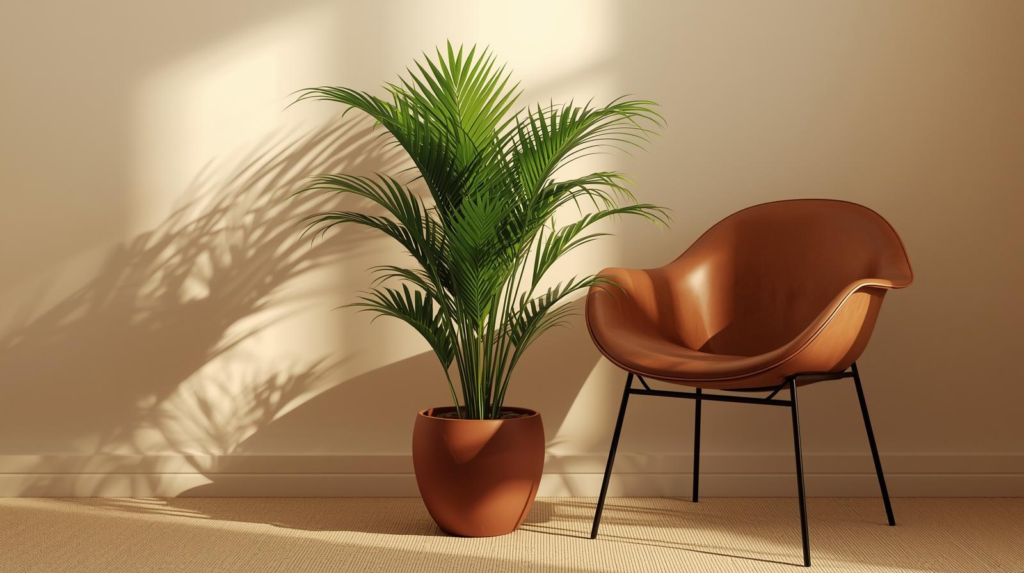
9. Parlor Palm (Chamaedorea elegans)
Parlor palm adds a softer, more “living room” texture to an office, and it’s widely recommended as a pet-safe option. (AP News)
Pros:
Non-toxic to cats and dogs (ASPCA)
Great for floor placement near desks
Softer look than spiky/architectural plants
Cons:
Prefers steady moisture (not soggy)
Can brown at tips in very dry air
Pricing: $25–$120 (Pricing may vary.)
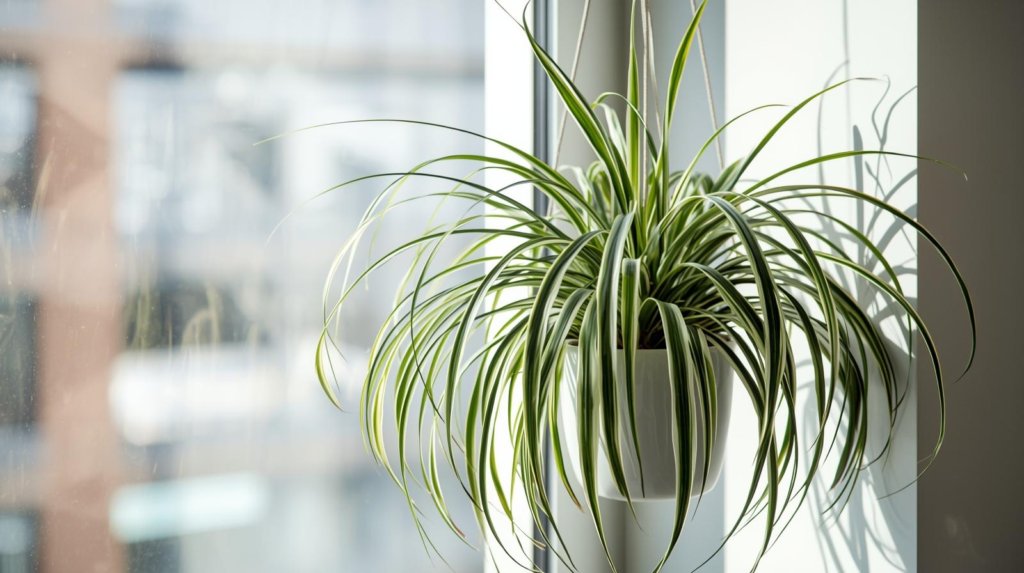
10. Spider Plant (Chlorophytum comosum)
Spider plants are classic starter plants: hardy, inexpensive, and fast to produce “babies” you can re-pot for coworkers. They’re non-toxic per the ASPCA. (ASPCA)
Pros:
Non-toxic to cats and dogs (ASPCA)
Great hanging or desktop plant
Easy propagation from plantlets
Cons:
Leaf tips can brown with inconsistent watering or dry air
Cats often find the leaves tempting (place higher if needed) (Better Homes & Gardens)
Pricing: $10–$35 (Pricing may vary.)
11. Money Tree (Pachira aquatica)
Money trees are common in offices because they look like a statement plant without demanding daily attention. For care basics, it prefers indirect sun and humid, warm indoor conditions. (Plant Toolbox) Pet note: the ASPCA lists money tree as non-toxic to cats and dogs. (ASPCA)
Pros:
Non-toxic to cats and dogs (ASPCA)
Great “feature plant” for corners or reception areas
Likes bright indirect light but can handle some shade (Plant Toolbox)
Cons:
Sensitive to overwatering and standing water
May drop leaves if stressed by drafts or very low light
Pricing: $25–$150 (Pricing may vary.)
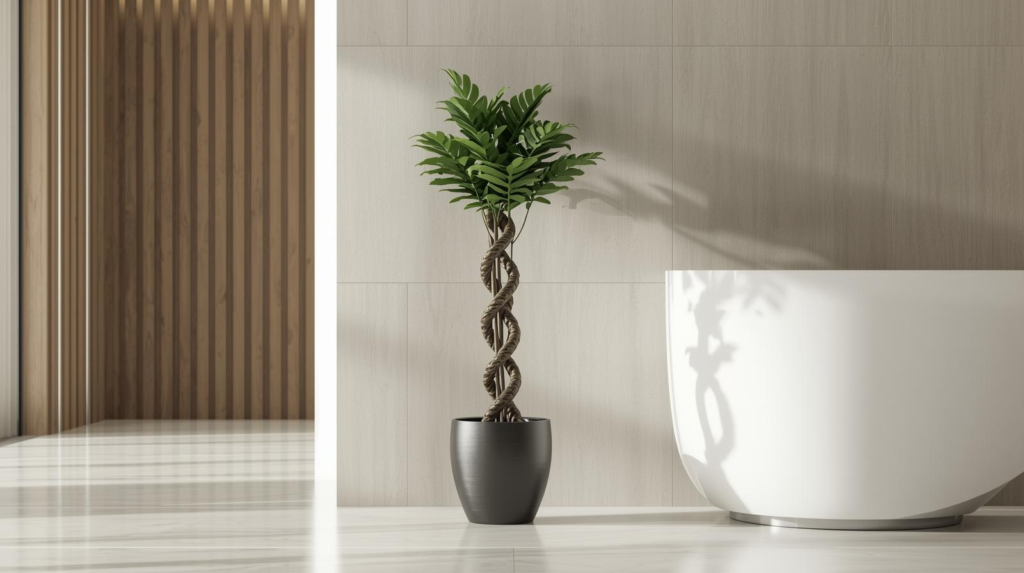
12. Baby Rubber Plant (Peperomia obtusifolia)
This is one of the best small, pet-safe office plants: compact, tidy, and forgiving. The ASPCA lists Peperomia obtusifolia (often called baby rubber plant) as non-toxic. (ASPCA)
Pros:
Non-toxic to cats and dogs (ASPCA)
Compact and desk-friendly
Thick leaves tolerate minor watering mistakes
Cons:
Slower growth if light is too low
Doesn’t like soggy soil
Pricing: $12–$45 (Pricing may vary.)
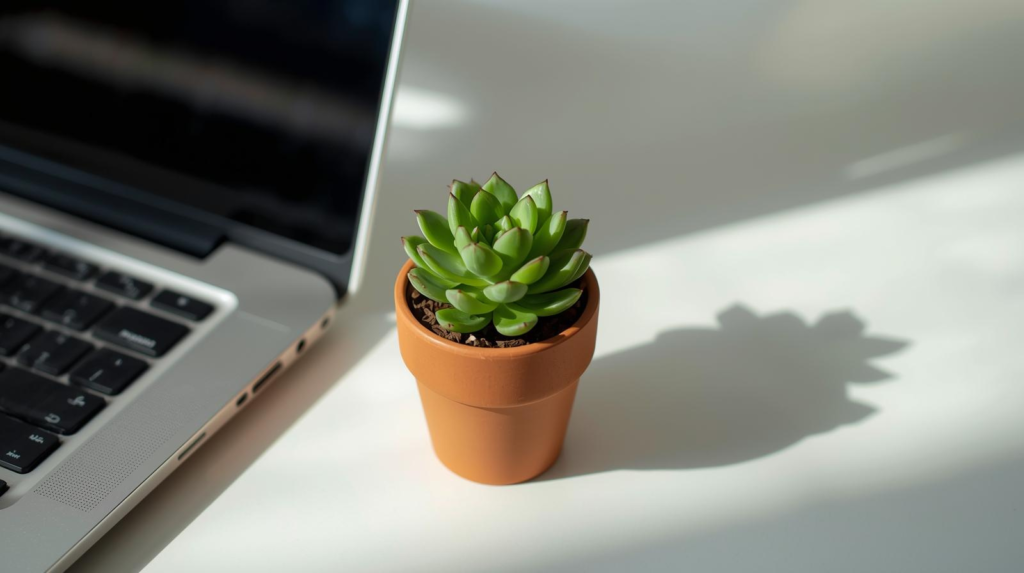
13. Wax Plant (Hoya)
Hoyas are great if you want a trailing plant that stays a bit neater than pothos. Many varieties flower under good light, and the ASPCA lists wax plant (Hoya) as non-toxic. (ASPCA)
Pros:
Non-toxic to cats and dogs (ASPCA)
Waxy leaves are fairly drought-tolerant
Can bloom in bright indirect light (Penn State Extension)
Cons:
Blooms often require brighter light than typical cubicles (Penn State Extension)
Doesn’t like being overwatered
Pricing: $15–$60 (Pricing may vary.)
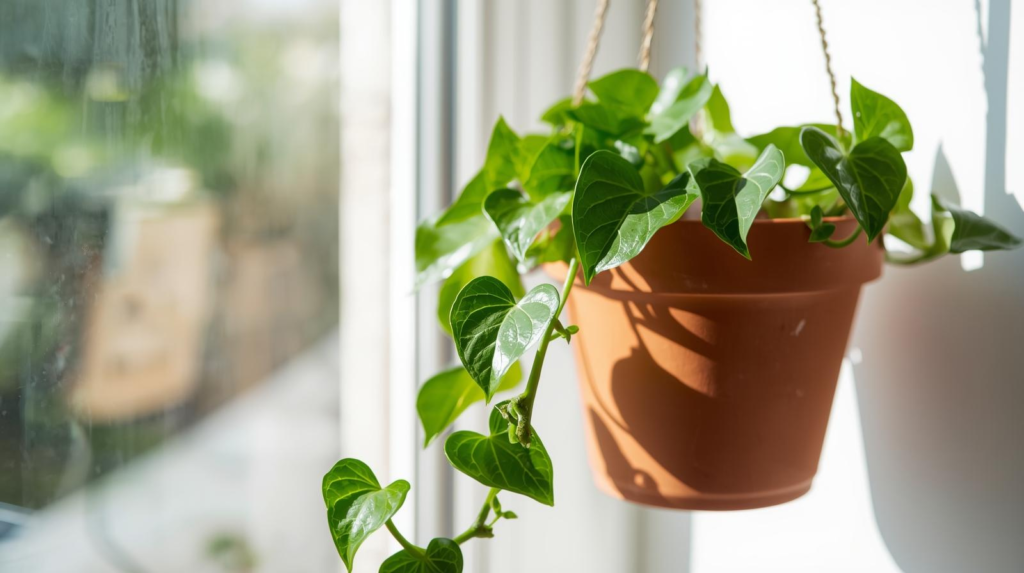
14. Prayer Plant (Maranta/Calathea family)
If you want pattern and texture (not just green), prayer plants are hard to beat. Many are listed as non-toxic by the ASPCA under Calathea/Maranta entries. (ASPCA)
Pros:
Non-toxic to cats and dogs (ASPCA)
Striking leaf patterns for desks and shelves
Works well in medium-bright indirect light (University of Maryland Extension)
Cons:
Can be fussy about humidity in very dry offices
Leaves may crisp near vents
Pricing: $15–$55 (Pricing may vary.)
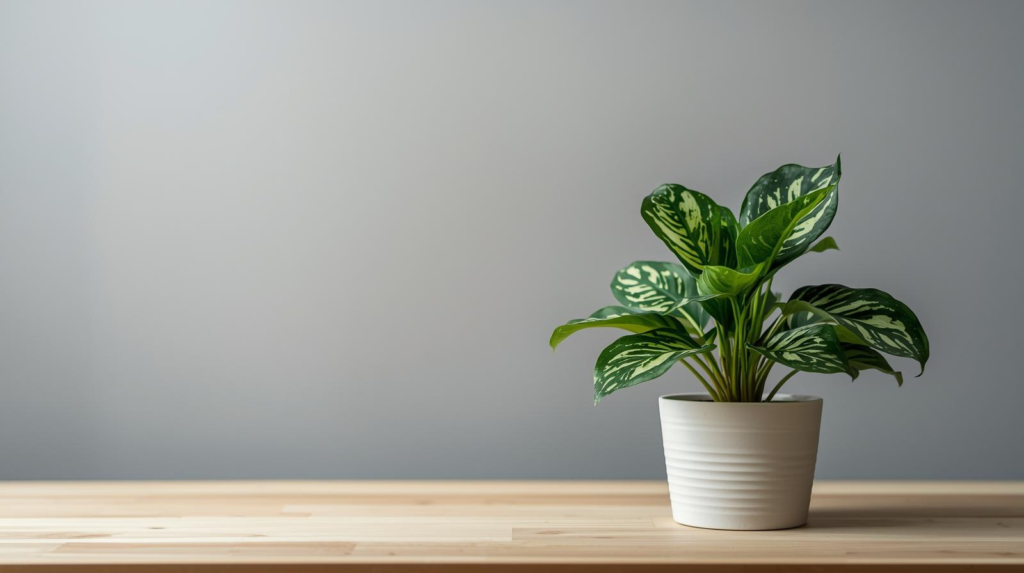
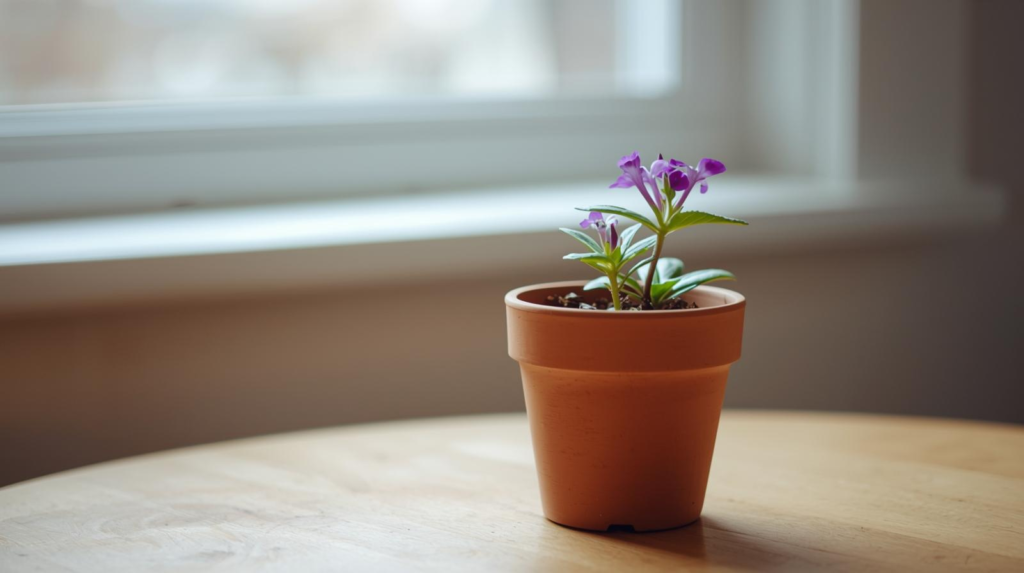
15. African Violet (Saintpaulia)
African violets are ideal if you want real color on a desk without a big footprint. They need adequate light to bloom, and they can do well under fluorescent setups with the right placement and duration. (Yard and Garden) Pet note: ASPCA lists African violet as non-toxic. (ASPCA)
Pros:
Non-toxic to cats and dogs (ASPCA)
Small footprint, big payoff with blooms
Works well under fluorescent light when positioned correctly (Yard and Garden)
Cons:
Needs enough light to flower (not a deep-corner plant) (Ask IFAS – Powered by EDIS)
Sensitive to water on leaves (bottom-watering is popular)
Pricing: $10–$35 (Pricing may vary.)
16. Boston Fern (Nephrolepis exaltata)
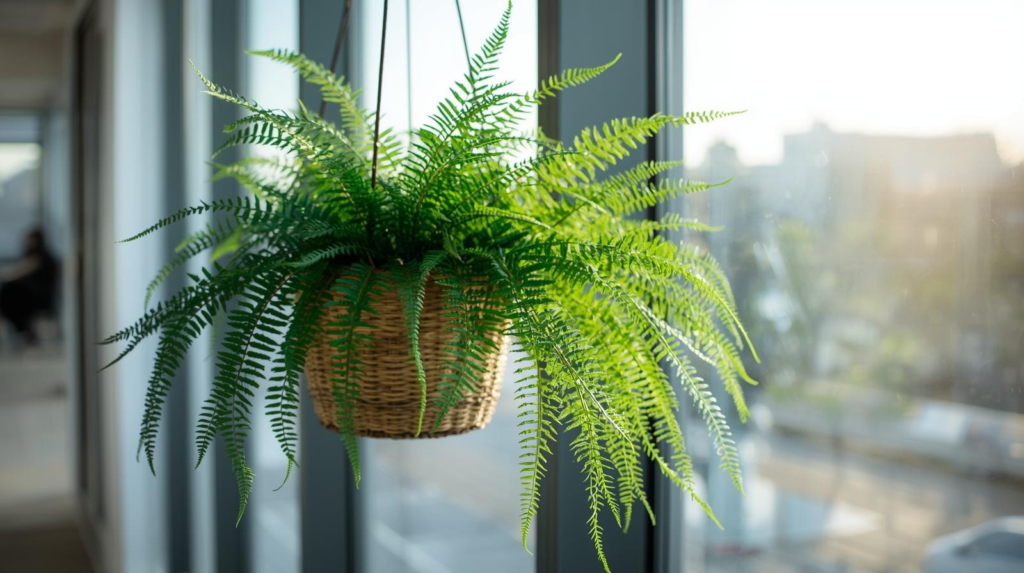
Boston ferns bring lush texture that’s hard to replicate. They’re also listed as non-toxic by the ASPCA, which makes them a strong option for pet-friendly offices. (ASPCA) The tradeoff: they like humidity and consistent moisture more than most “bulletproof” office plants. (Better Homes & Gardens)
Pros:
Non-toxic to cats and dogs (ASPCA)
Full, lush look for shelves or stands
Great visual “softener” in modern offices
Cons:
Prefers higher humidity than many offices provide (Better Homes & Gardens)
Won’t forgive long dry spells
Pricing: $15–$60 (Pricing may vary.)
Buying Guide: How to Choose the Right Office Plant
Start with your light, not your taste
Light is the limiting factor in most offices. The University of Maryland Extension breaks indoor light into low, medium-bright, and high (measured in footcandles) and gives examples of plants that fit each tier. (University of Maryland Extension) If your plant sits more than a few feet from a window, assume it’s low light unless you’re supplementing.
Match watering style to your schedule
If you travel, work hybrid, or simply forget: favor drought-tolerant plants like ZZ. (Yard and Garden) Snake plant is also notably forgiving on watering once established. (Plant Toolbox) If you like routine and your office has decent light, peace lily or ferns can be rewarding—just understand they’re less forgiving.
Watch HVAC: dryness and drafts matter
Many offices run dry and drafty. Palms, prayer plants, and ferns may brown at the edges if they’re too close to vents. A simple fix is moving them away from airflow and using a pebble tray or small desktop humidifier.
Decide on desk plant vs. floor plant
Desk plants should be compact, tidy, and slow-ish growing (peperomia, African violet). Floor plants can provide height (corn plant, money tree) and visually anchor a space.
If pets are involved, check toxicity first
If pets ever access your workspace (home office, dog-friendly office days), treat the ASPCA toxic/non-toxic plant database as your first stop. (ASPCA) Even “non-toxic” plants can still cause mild GI upset if eaten, so placement matters. (AP News)
Use artificial light strategically
If you’re supplementing with a grow light, don’t run it 24/7. Many plants benefit from a dark period; University of Maryland Extension suggests no more than 16 total hours of illumination per day. (University of Maryland Extension)
FAQs
What’s the best office plant for very low light?
ZZ plant and snake plant are two of the most reliable low-light choices, and they’re specifically listed as low-light examples by University of Maryland Extension.
What’s the easiest office plant for beginners?
A ZZ plant is hard to beat for beginners because it tolerates low light and dry conditions unusually well.
What office plants are safe for cats and dogs?
Common pet-safe options in this guide include spider plant, parlor palm, African violet, baby rubber plant (Peperomia obtusifolia), wax plant (Hoya), and Boston fern—each listed as non-toxic by the ASPCA.
Which popular office plants are toxic to pets?
Snake plant, pothos, peace lily, corn plant (dracaena fragrans), and heartleaf philodendron are listed as toxic to cats and dogs by the ASPCA.
How often should I water an office plant?
It depends on the plant and light level. Low-light offices generally mean slower growth and less water demand. Drought-tolerant plants like ZZ can handle longer gaps, while peace lilies and ferns prefer more consistent moisture.
What plant works best on a desk with fluorescent lighting?
African violets can do well under fluorescent lighting when positioned correctly and given a consistent light schedule, making them a strong desk choice.
How do I keep office plants from getting dusty and sad?
Wipe leaves gently every couple of weeks (especially broad-leaf plants) and rotate plants occasionally so they grow evenly toward the light. Low-light plants can slowly lean if light comes from one direction.
Related Article
https://homeandgardenworld.com/buyer-guide/best-indoor-trees