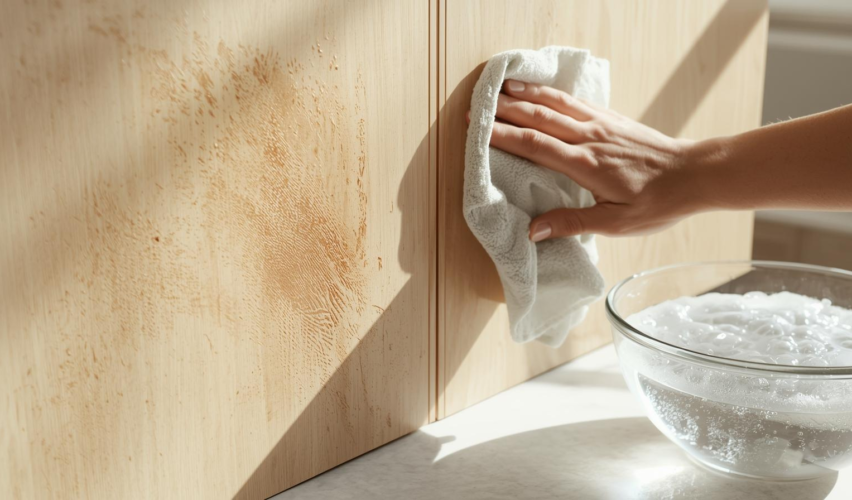
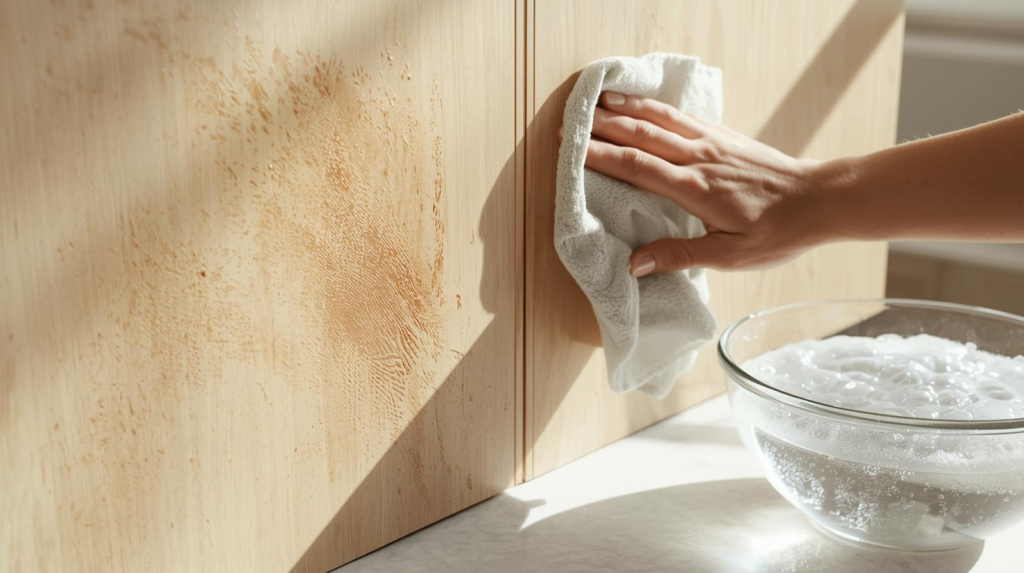
The best cabinet-cleaning method is simple: use a soft cloth + mild soapy water, don’t soak the surface, rinse, and dry right away—the same approach recommended in cabinet care guidance from brands like KraftMaid and IKEA’s kitchen cleaning guide.
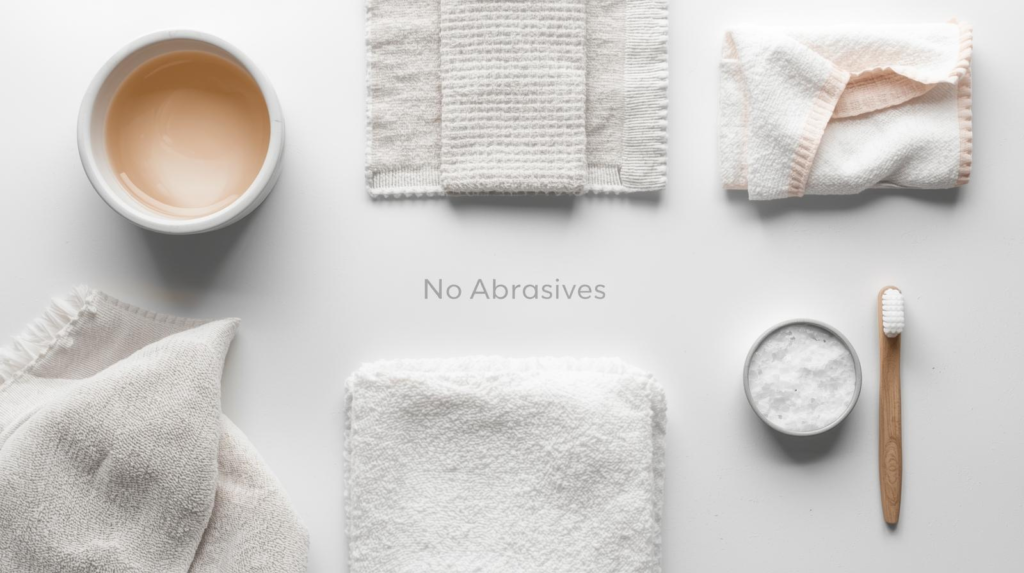
What you’ll need
- 2–3 soft microfiber cloths (one for washing, one for rinsing, one for drying), as recommended in IKEA’s cabinet cloth guidance
- A small bowl/bucket of warm water + mild dish soap (IKEA even gives a simple mix: 2 tbsp dish soap in 2 cups warm water in their guide)
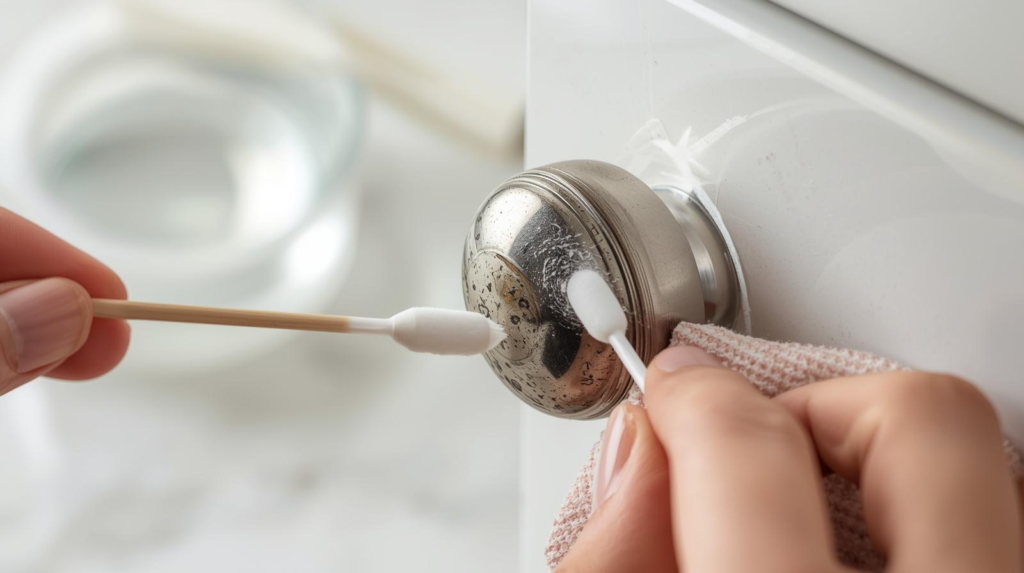
- A soft toothbrush or cotton swabs for grooves/trim
- Optional: a non-scratch sponge for stubborn spots (use gently)
Avoid harsh or scratchy products—both KraftMaid and IKEA advise steering clear of abrasives, and IKEA specifically says to avoid ammonia and powdered abrasive cleaners in their cabinet-care section.
Step-by-step: Clean cabinet exteriors (doors + frames)
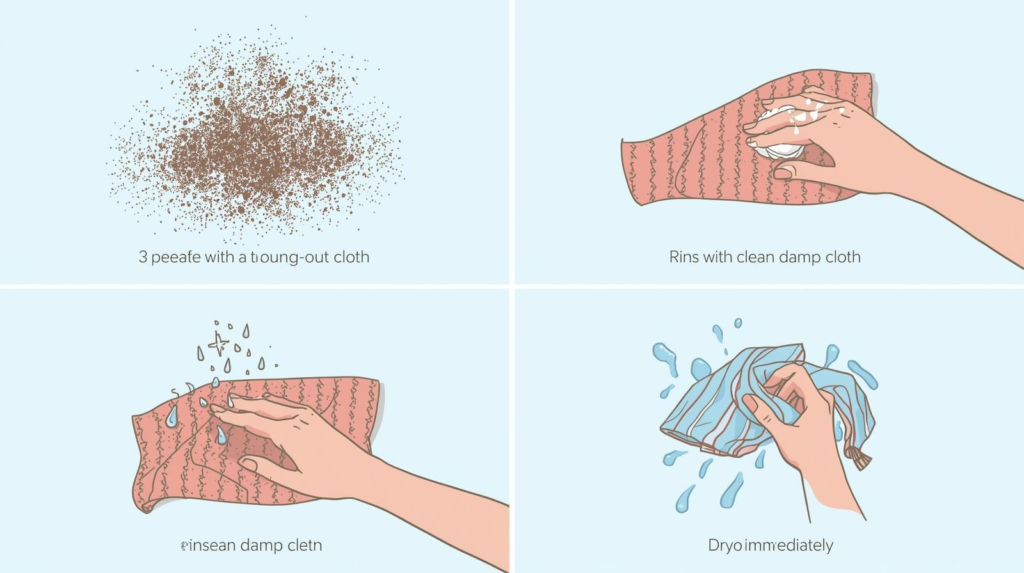
1) Dust first (don’t turn dust into grit)
Wipe with a dry microfiber cloth so you’re not rubbing dust into the finish—this helps prevent micro-scratches and matches the “soft cloth first” approach in IKEA’s care guide.
2) Wash with a barely-damp cloth (not a wet one)
Dip your cloth in the soapy water, wring it out well, then wipe:
- Door fronts
- Cabinet frames
- The bottom edge of doors near the stove (grease zone)
Cabinet makers consistently recommend mild soap + water, then rinse and dry—see KraftMaid’s care instructions and the cabinet finish warnings in Wood-Mode’s care guide.
Tip: Too much moisture is a common cause of damage (swelling, softening seams). IKEA explicitly notes that “too much moisture is an enemy of wood and wood finishes” in their cabinet cleaning guide.
3) Rinse (yes, really)
Go back over the cabinets with a clean cloth dampened with plain water. This prevents leftover soap from attracting grime over time, and it’s part of the standard clean-rinse-dry method described by KraftMaid and IKEA.
4) Dry immediately
Dry with a soft towel right away. IKEA specifically recommends drying right after cleaning to help prevent water damage in their guide, and KraftMaid also emphasizes drying as part of routine care in their cleaning instructions.
How to remove greasy buildup (sticky cabinet doors)
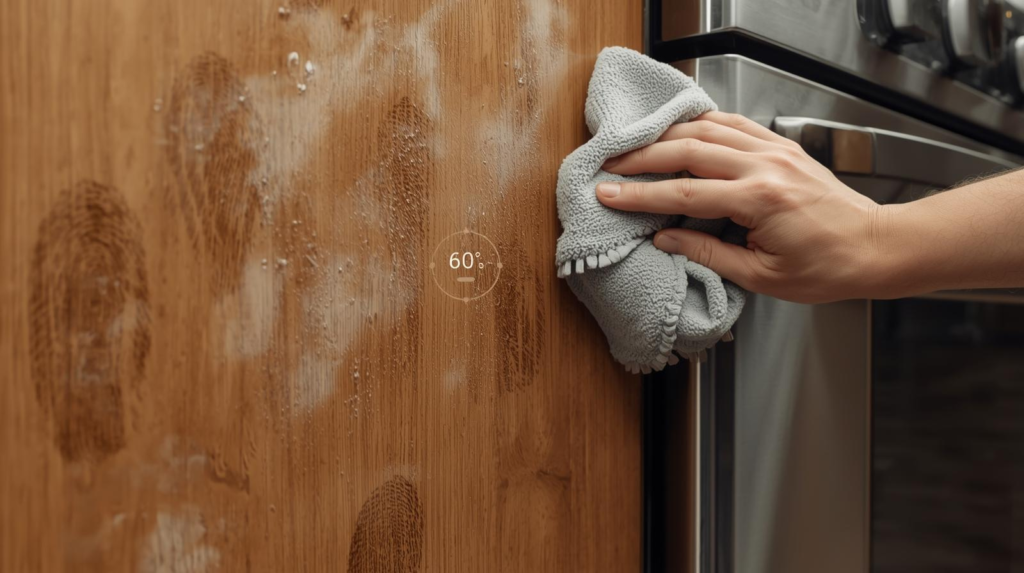
For greasy film around knobs and near the stove:
- Use warm water + dish soap (wring the cloth out well).
- Let the soapy wipe sit on the greasy area for 30–60 seconds (don’t soak the seam).
- Wipe again gently.
- Rinse and dry.
This “gentle cleaning—no harsh scrubbing” approach aligns with KraftMaid’s dos and don’ts and IKEA’s recommendation to use mild, grease-cutting dish soap in their cabinet cleaner tip.
Clean handles and knobs (high-touch area)
Handles are usually the grimiest part. Clean them with the same mild soap method, then dry.
If you want to disinfect handles (for example after illness), clean first, then use an appropriate disinfectant following label directions—general disinfecting guidance is covered by CDC’s cleaning and disinfecting overview.
Important: Many cabinet manufacturers warn against harsh chemicals on finishes, so keep disinfectants mostly to hardware unless you’ve confirmed your finish can tolerate it (see the “avoid harsh/abrasive products” warnings in KraftMaid’s care guidance and IKEA’s cleaning-solvent cautions).
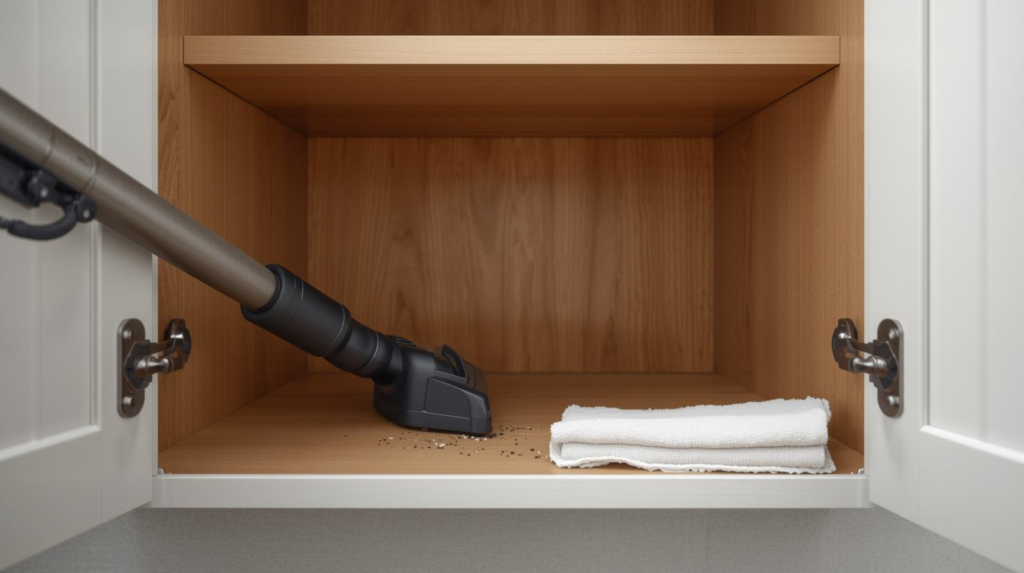
Deep-clean the inside (crumbs, spills, shelf marks)
Do this a few times a year or whenever you’ve had a spill.
- Empty one section at a time.
- Vacuum crumbs (brush attachment).
- Wipe with a wrung-out soapy cloth.
- Rinse lightly and dry completely before putting items back.
IKEA also calls out “often-overlooked” areas like cabinet tops and recommends cleaning them regularly in their kitchen cleaning guide.
Finish-specific cautions (so you don’t mess up the surface)
If you know your cabinet type, follow the matching rule:
- Painted cabinets: Don’t scrub aggressively—some finish guides warn vigorous rubbing can create shiny spots on matte/painted finishes, as noted in Wood-Mode’s painted finish care section.
- Stained/wood cabinets: Use mild soapy water, rinse, dry, and avoid strong detergents—see Wood-Mode’s stained finish guidance.
- Laminate/thermofoil: Mild soapy water is still the go-to, and abrasive pads/powders are a bad idea—see Wood-Mode’s laminate cautions and IKEA’s “avoid abrasives” guidance in their cabinet care section.
Rule you can trust: Test any new cleaner in a hidden spot first—also recommended in IKEA’s stain-removal section in their guide.
If you need to sanitize after raw meat leakage or illness
- Clean first (soap + water).
- Then sanitize/disinfect using either:
- An EPA-registered disinfectant appropriate for the situation (EPA explains how registered disinfectants work and why label directions matter in its disinfectant guidance), or
- A properly diluted bleach solution per CDC’s bleach dilution instructions.
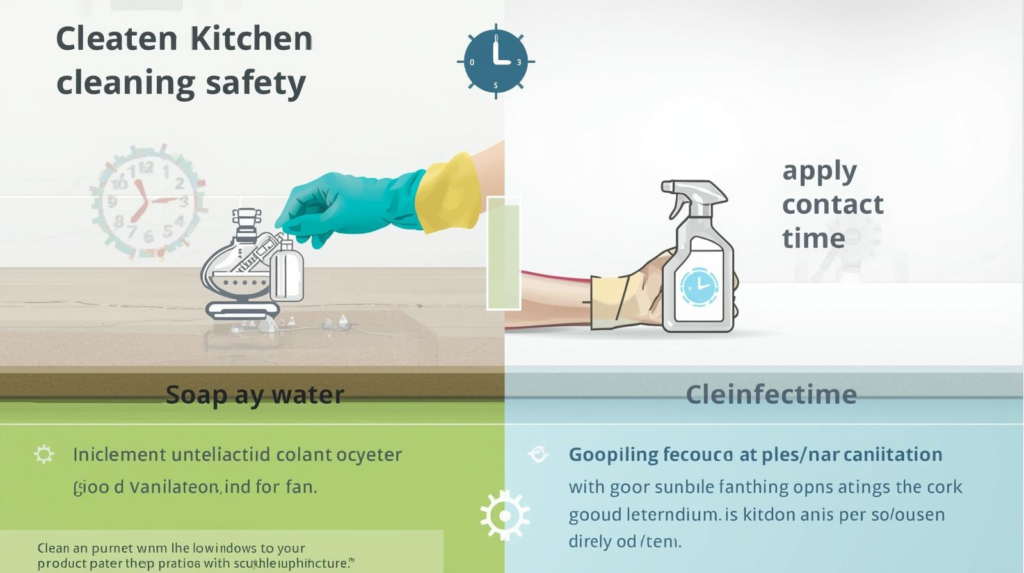
If the surface might contact food (like a pull-out shelf that holds snacks), follow food-contact sanitizer directions. A clear “clean → rinse → sanitize with the right product and contact time” workflow is described in the University of Arkansas Extension fact sheet on EPA List N and food-contact sanitizers.
Quick maintenance habits that prevent heavy buildup
- Wipe spills immediately (prevents staining and finish damage), as emphasized in KraftMaid’s care instructions and IKEA’s “clean spills quickly” guidance in their guide.
- Don’t hang wet towels over doors; moisture exposure is specifically discouraged in KraftMaid’s care notes and IKEA’s “limit exposure to moisture” advice in their guide.
- Clean cabinet tops regularly (dust + grease combo), as recommended in IKEA’s cabinet-top reminder.
Summary
Clean kitchen cabinets by using soft microfiber cloths and a mild dish soap + warm water solution, then rinse and dry immediately. Avoid abrasives and (for many finishes) ammonia/powdered cleaners, which IKEA specifically warns against. For disinfection, follow product labels and public-health dilution guidance, and keep harsh chemicals mostly on hardware unless your cabinet maker says they’re safe.
Related Articles
https://homeandgardenworld.com/kitchen/how-to-clean-a-microwave
https://homeandgardenworld.com/kitchen/how-to-clean-a-refrigerator
https://homeandgardenworld.com/buyer-guide/best-way-to-clean-baseboards