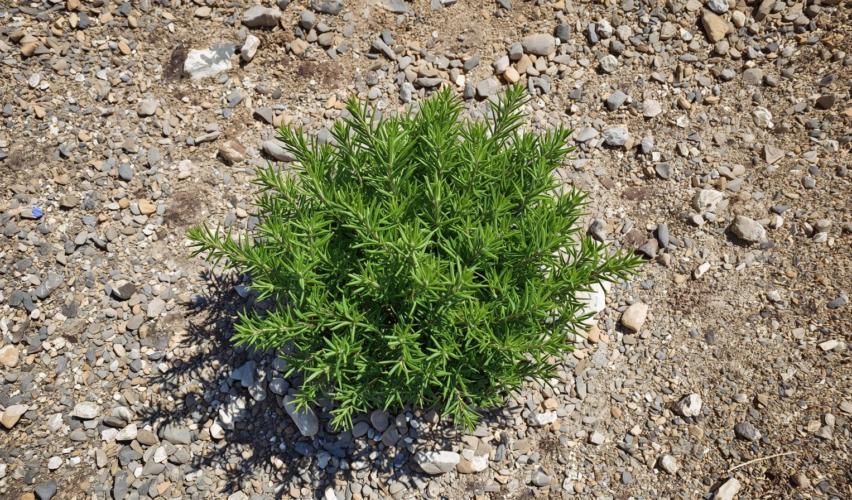
Rosemary is a Mediterranean herb that thrives when you copy its “native” conditions: bright sun, excellent drainage, and leaner (not soggy) soil. It’s naturally drought-tolerant once established, but it can struggle in wet, humid, poorly drained spots. That basic profile is consistent across plant and extension references like the NC State Extension Plant Toolbox, the UC IPM rosemary page, and Wisconsin Extension.
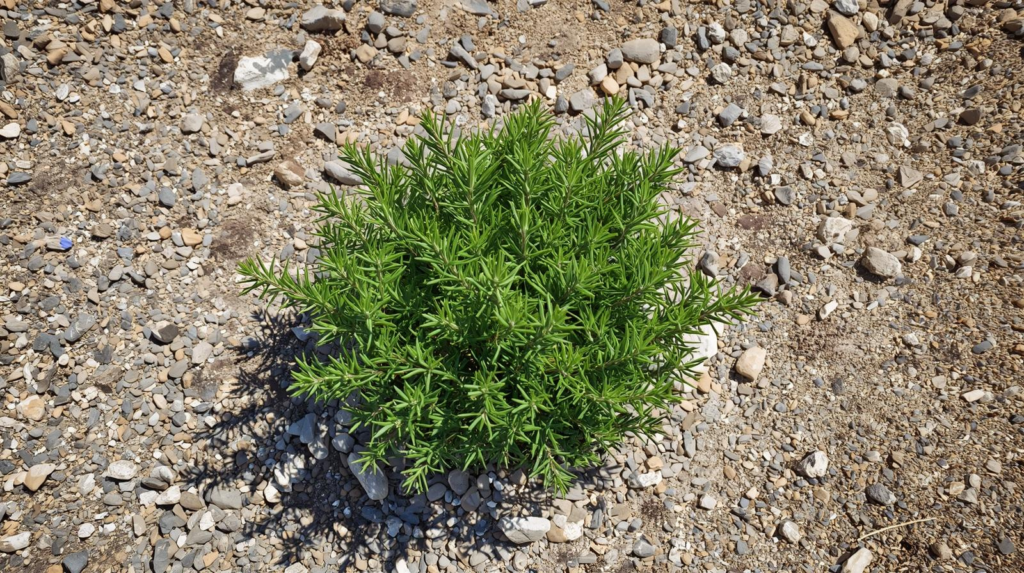
Quick checklist for success
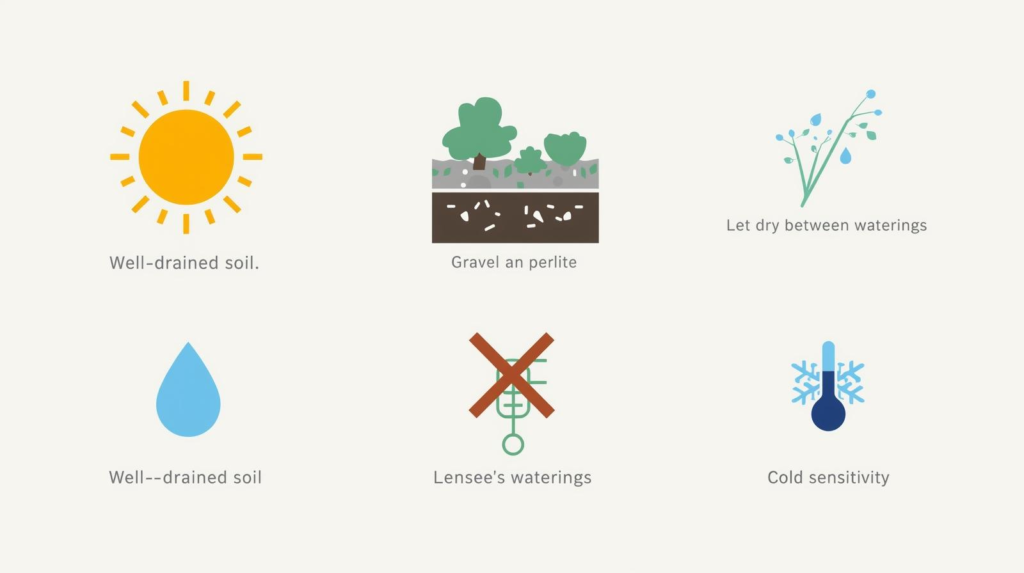
- Sun: Full sun is best (aim for the brightest spot you have), per NC State Extension and Wisconsin Extension.
- Soil: Light, well-drained soil; rosemary dislikes heavy, waterlogged conditions, per UC IPM and NC State Extension.
- Watering style: Let it dry a bit between waterings; avoid keeping roots wet, per Illinois Extension and UC IPM.
- Cold reality: Many rosemary types are only reliably hardy in warmer zones; cold-hardy cultivars exist but winter survival varies, as explained in Colorado State University Extension’s overwintering guide (PDF) and University of Arizona Cooperative Extension (PDF).
Step-by-step: Grow rosemary that stays full and fragrant
1) Decide: in-ground or container
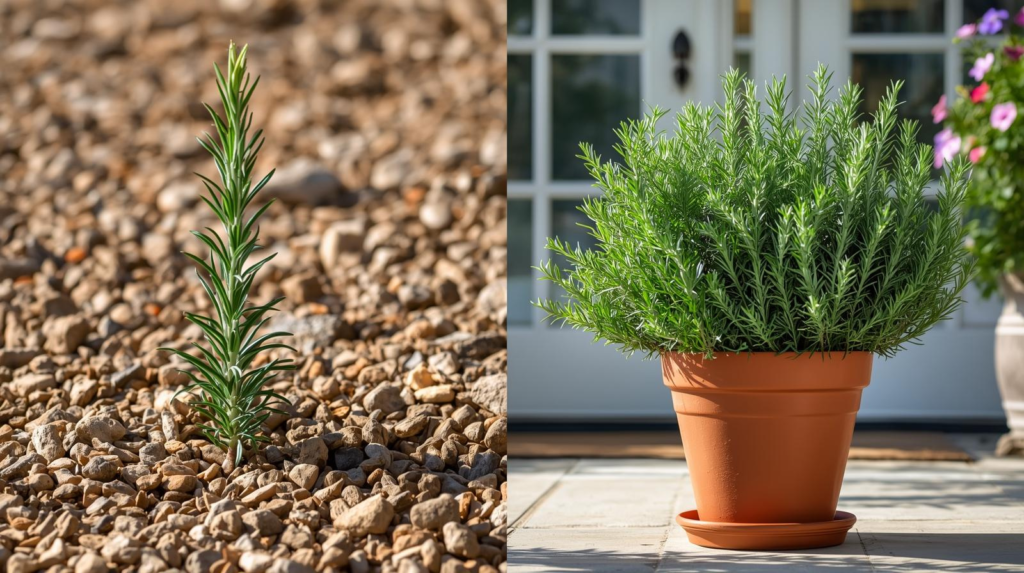
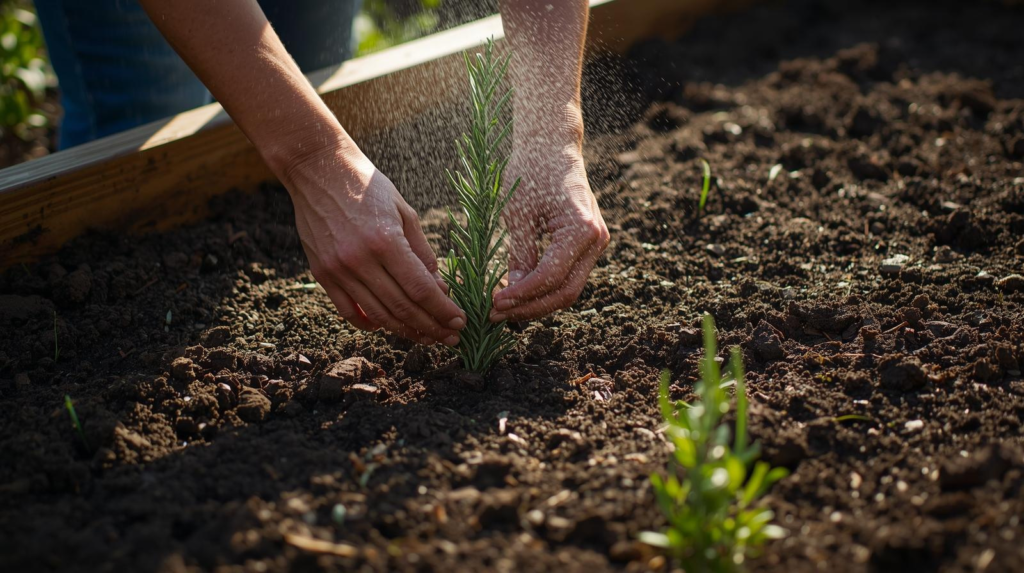
- Grow in-ground if your winters are mild and your soil drains well. Rosemary performs best in full sun and well-drained soil per NC State Extension and UC IPM.
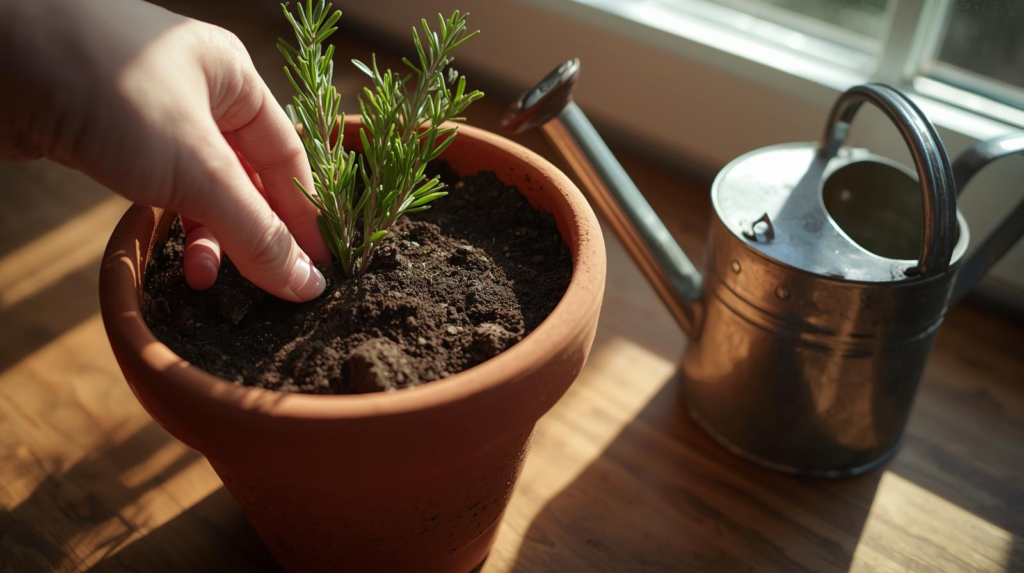
- Grow in a pot if your soil stays wet, you have humid conditions, or winters are cold—containers let you control drainage and bring plants inside. Winter limitations are discussed in Wisconsin Extension and overwintering options are laid out in Colorado State University Extension (PDF).
2) Give rosemary the drainage it craves
Rosemary “fails” most often from staying wet, not from being a little dry. It prefers light, well-drained soil and has low tolerance for wet/humid environments per NC State Extension, and it needs good drainage per UC IPM.
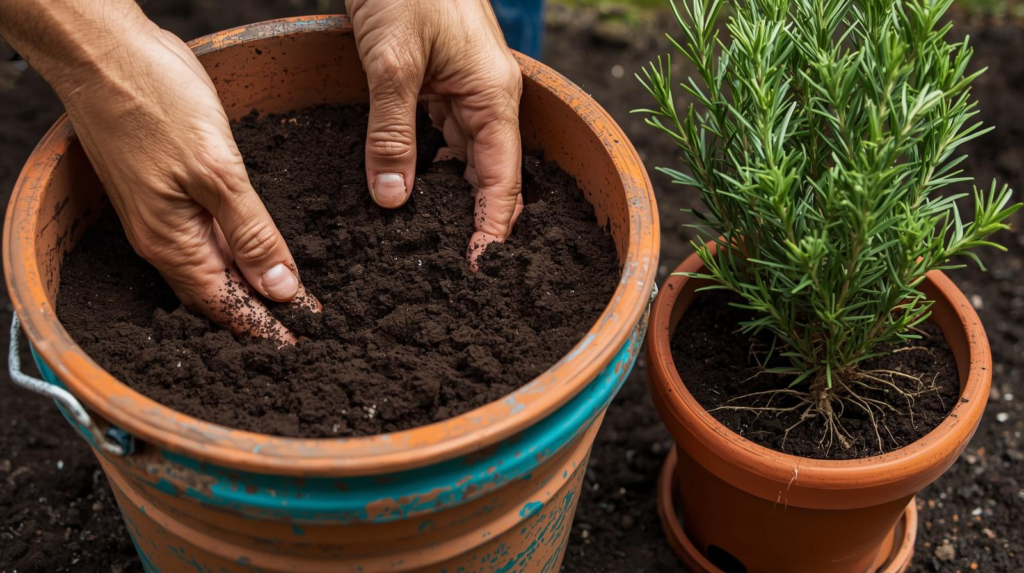
For containers, use a fast-draining mix and a pot with drainage holes; a practical extension-style approach is adding perlite to improve drainage (see University of Maryland Extension on potting mix + perlite and the “well-draining soil” emphasis in NC State Extension).
3) Plant it right (and don’t overfeed)
Rosemary is not a heavy feeder. In fact, some guidance notes light fertilization because excess fertilizer can reduce fragrance/flowering. See Wisconsin Extension and general “lean soil” preference reflected in NC State Extension.
A simple home approach:
- Mix in a little compost if your soil is very poor, but avoid turning the bed into a rich, soggy sponge.
- In pots, a light feeding during active growth is plenty; stop pushing fertilizer if the plant is soft/leggy.
4) Water like this: deep, then wait
Rosemary is drought-tolerant once established, but it still needs sensible watering—especially in containers. Outdoors, it generally needs little to moderate water when drainage is good, per UC IPM, and indoor/container guidance stresses keeping the soil on the dry side to avoid root problems, per Illinois Extension.
A reliable routine:
- Water thoroughly until water runs out the bottom (containers) or the root zone is soaked (in-ground).
- Wait to water again until the mix/soil is noticeably dry—especially indoors, where overwatering is a common killer, per UNH Extension’s rosemary winter-care Q&A and Illinois Extension.
5) Prune and harvest to keep it bushy
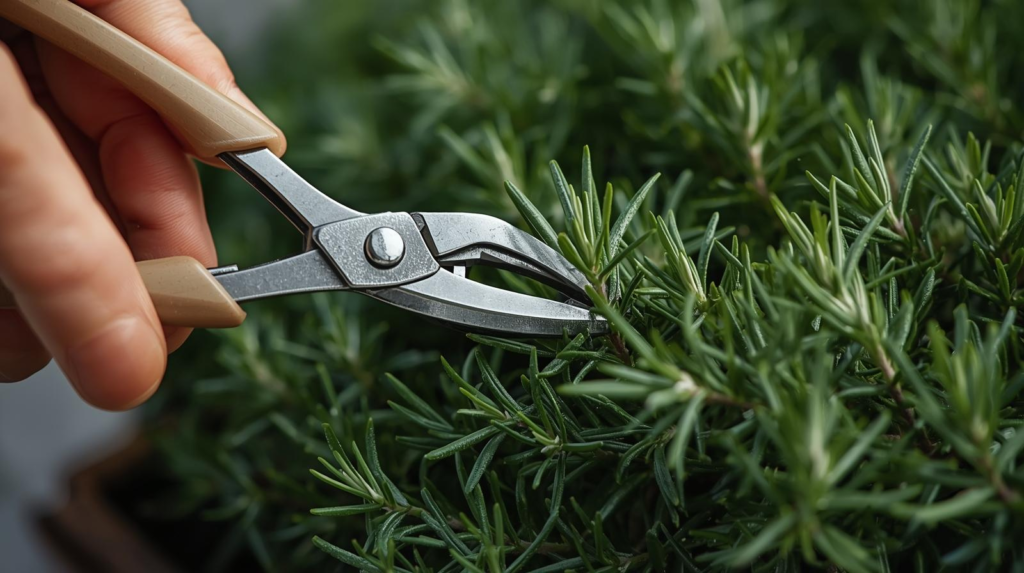
Pruning helps rosemary stay dense and improves airflow (which can reduce disease pressure). Practical pruning guidance appears in UC IPM’s rosemary care notes, and NC State Extension notes it tolerates pruning and can be pruned more strongly after bloom to encourage dense growth.
Best-practice harvesting:
- Snip young, green tips for cooking.
- Avoid taking huge amounts at once; think “regular small harvests.”
- Avoid cutting way back into thick, bare wood unless you’re sure there’s green growth below (rosemary often doesn’t resprout well from old, leafless wood—this is a common issue discussed in pruning references and troubleshooting like UC IPM and the “woody rosemary” problem explained by Illinois Extension’s indoor rosemary notes).
6) Propagate rosemary (the easiest way to get more plants)
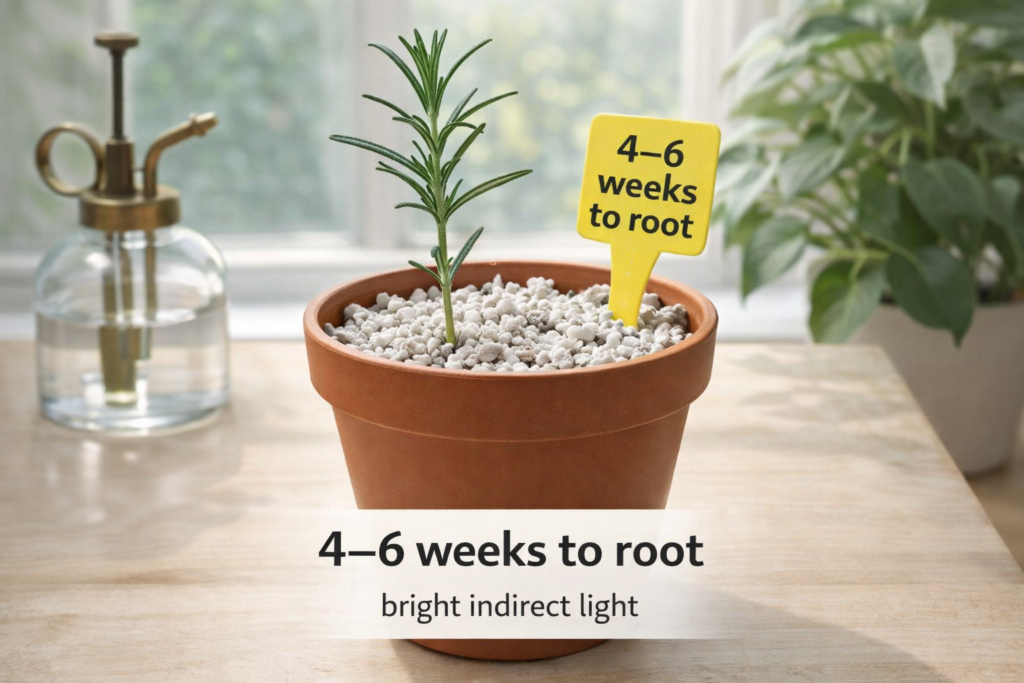
Named rosemary cultivars are commonly propagated from cuttings rather than seed, as noted in University of Arizona Cooperative Extension (PDF). A straightforward cutting method (with typical rooting in about 4–6 weeks) is outlined in NC Cooperative Extension’s ‘Propagating Rosemary’ guide.
Quick cutting method:
- Cut a healthy non-flowering stem piece.
- Strip lower leaves.
- Stick into a well-draining medium and keep it lightly moist (not soggy) in bright, sheltered light, per NC Cooperative Extension.
7) Overwinter rosemary (cold climates)
Cold hardiness varies by cultivar and conditions. General zone expectations and overwintering strategies are discussed in Colorado State University Extension (PDF), and cultivar hardiness notes (including colder-tolerant selections like ‘Arp’) are covered in University of Arizona Cooperative Extension (PDF) and University of Nebraska–Lincoln’s rosemary article.
If you bring it indoors:
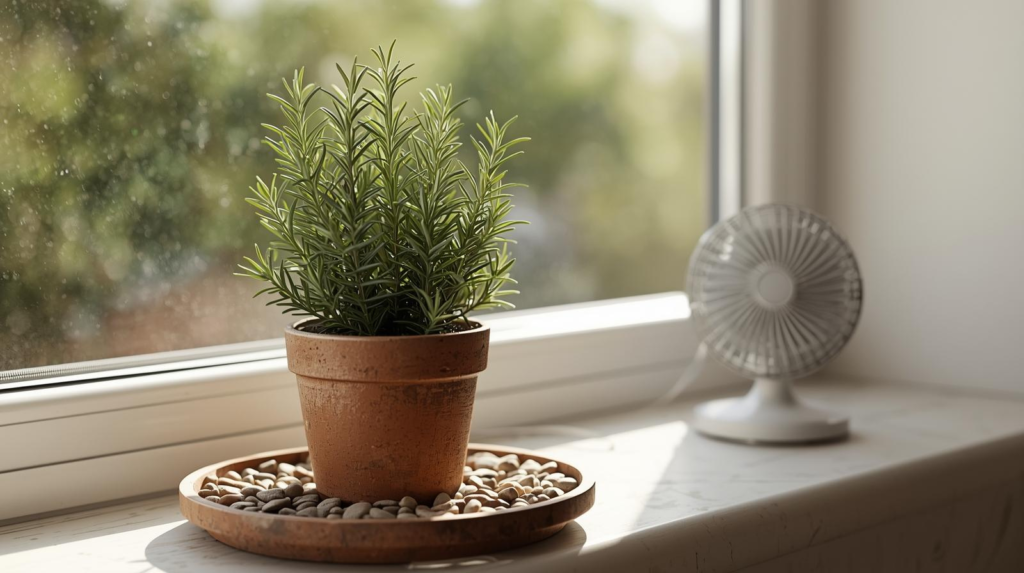
- Put it in the sunniest window you have (or supplement with grow lights), per Illinois Extension and container/indoor herb guidance from University of Maryland Extension.
- Keep it cooler if possible (many people have better survival in cooler rooms) and be disciplined about watering; see UNH Extension and Illinois Extension.
- Balance humidity and airflow so foliage doesn’t crisp up or invite disease, consistent with Penn State Extension’s indoor herb guidance and Illinois Extension.
Common problems (and the fast fix)
Root rot symptoms (yellowing, dieback, sudden decline)
Root and crown rots are strongly associated with wet conditions. Diagnostic symptoms and disease context are described in the Pacific Northwest Plant Disease Management Handbook entry on rosemary root rot, and “provide good drainage” is emphasized in UC IPM.
Fix: Improve drainage immediately, reduce watering frequency, and repot into a faster-draining mix if container-grown.
Powdery mildew / leaf issues
Good airflow helps prevent foliar disease, as noted by Wisconsin Extension, and rosemary’s sensitivity to wet/humid environments is highlighted by NC State Extension.
Fix: Move to brighter light, increase airflow, avoid wetting foliage, and space plants out.

Summary
To grow rosemary well, focus on full sun and excellent drainage, water only after the soil dries somewhat, feed lightly, and prune tips regularly to keep it bushy. In colder climates, overwinter in pots or choose cold-hardy cultivars.
Related Articles
https://homeandgardenworld.com/advice/how-to-grow-garlic