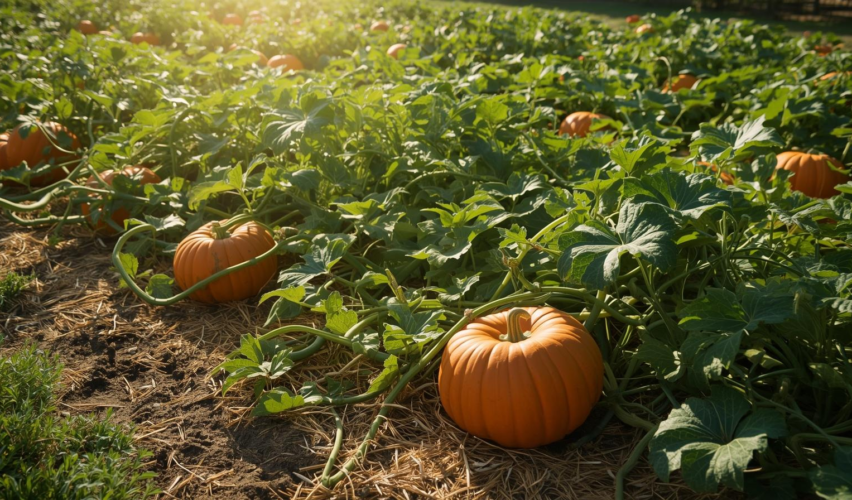
Pumpkins are warm-season vines that need full sun, rich well-drained soil, and plenty of space. If you get the timing right (warm soil) and keep them consistently watered early, you’ll dramatically improve fruit set and size—then you’ll finish strong with proper harvest, curing, and storage. Utah State University Extension (Utah State University Extension) and Mississippi State University Extension (MSU Extension) both emphasize these fundamentals.
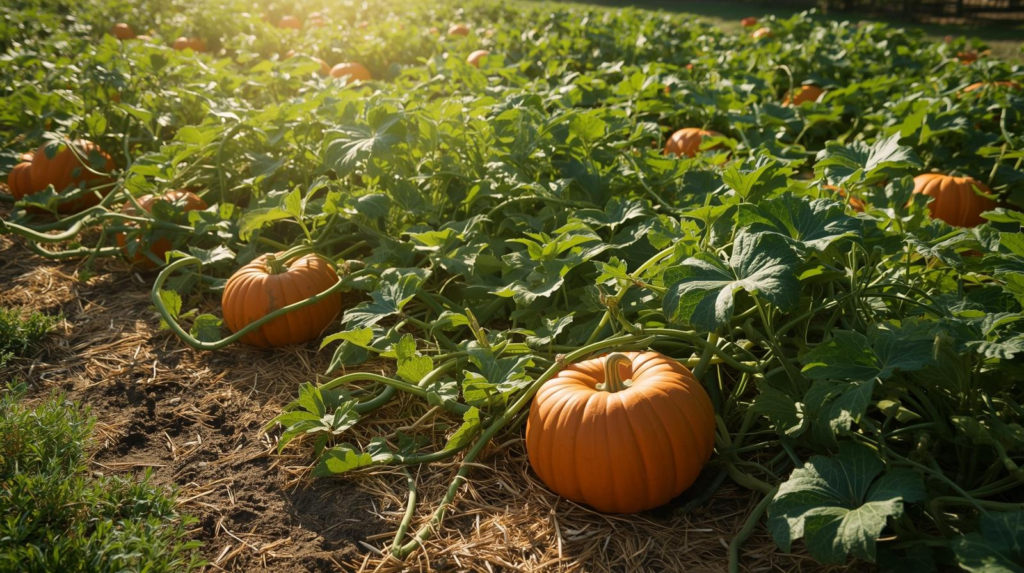
What you need (quick checklist)
- Sun: 6–8+ hours of direct light daily (more is better for yield). Utah State University Extension (Utah State University Extension) and WVU Extension (WVU Extension)
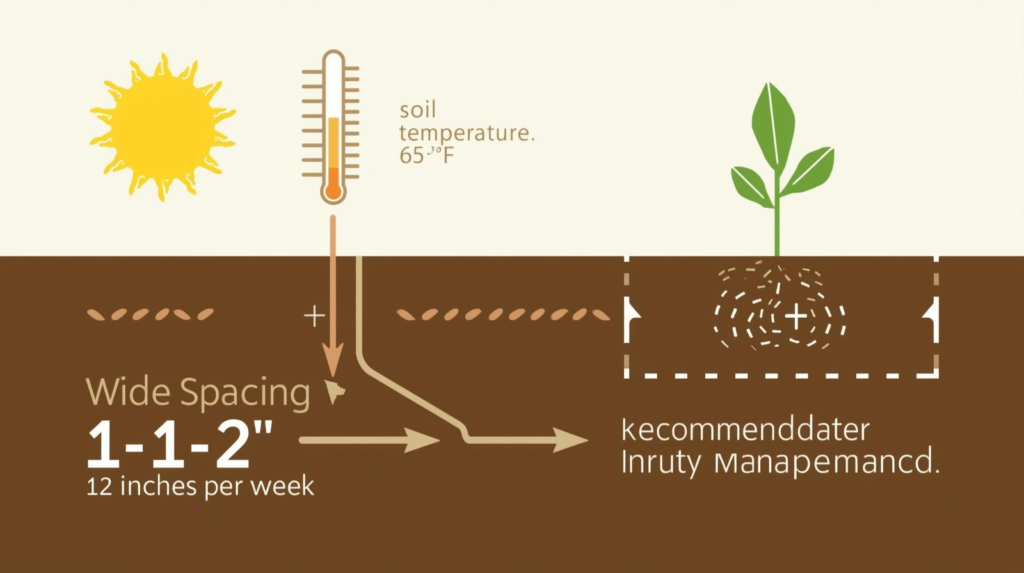
- Warm soil: Plant after frost danger, when soil is about 65–70°F for strong germination. Utah State University Extension (Utah State University Extension) and Mississippi State University Extension (MSU Extension)
- Space: Most varieties sprawl; plan wide spacing or choose smaller “bush”/mini types. Iowa State University Extension (Yard and Garden) and UNH Extension (Extension | University of New Hampshire)
- Water: Typically 1–2 inches/week, with higher needs during heavy fruit fill. Utah State University Extension (Utah State University Extension) and Mississippi State University Extension (MSU Extension)
Step-by-step: Growing pumpkins successfully
1) Pick the right pumpkin type for your goal
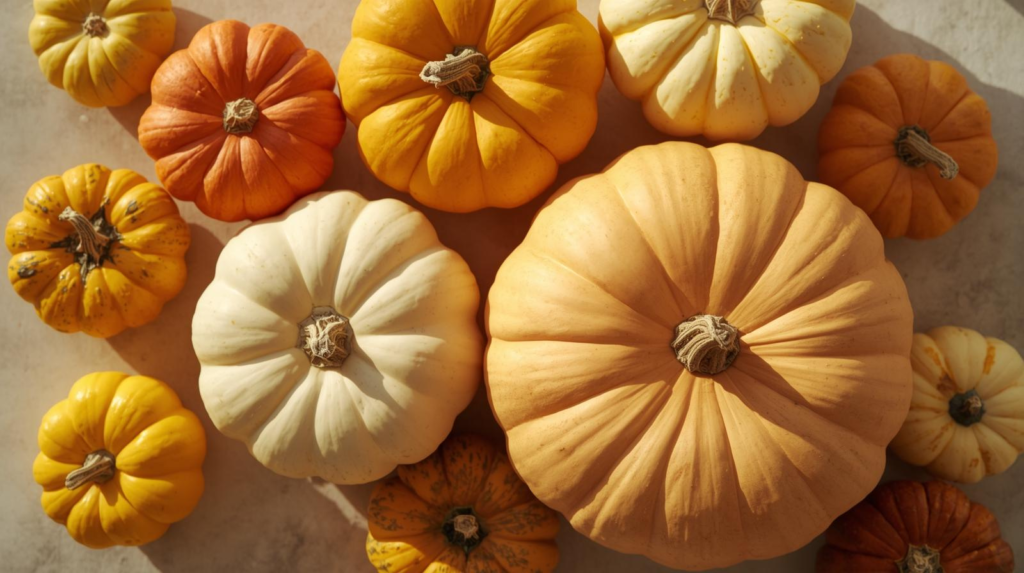
Choose based on how you’ll use them:
- Carving/Jacks: classic Halloween shape, usually mid-size.
- Pie/sugar pumpkins: smaller, denser flesh.
- Mini pumpkins: great for small gardens and containers.
- Giant types: fun but need extra time and intensive care.
Many common pumpkin varieties take roughly 90–120 days to mature, so match your selection to your local frost dates and the “days to maturity” on the packet. UNH Extension (Extension | University of New Hampshire) and Clemson HGIC (Home & Garden Information Center)
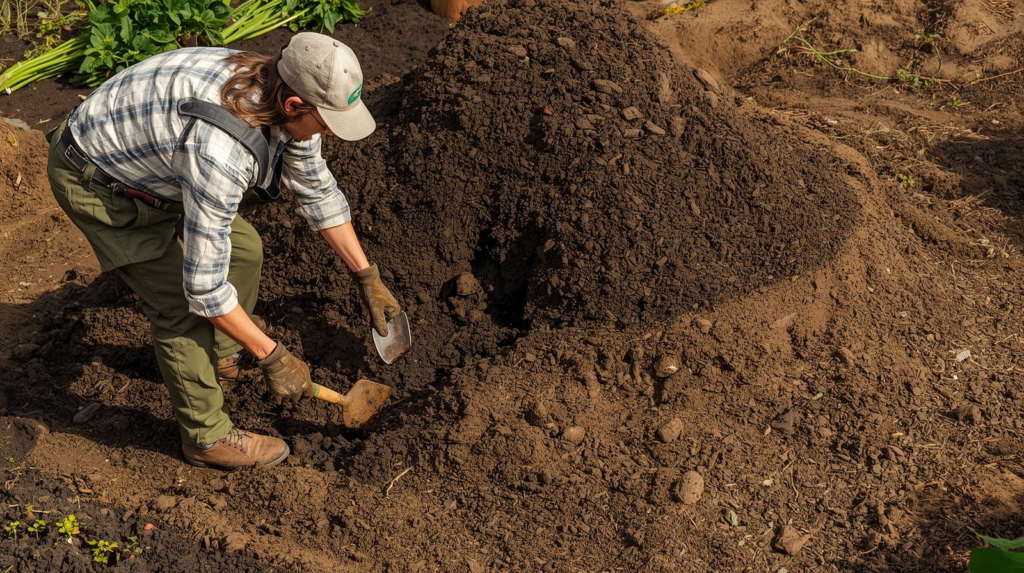
2) Prep the planting area: drainage, fertility, and pH
Pumpkins do best in fertile, well-drained soil with plenty of organic matter mixed in before planting. Utah State University Extension (Utah State University Extension) and Utah Vegetable Production Guide (Utah State University Extension)
If you can, aim for a soil pH in the common vegetable-friendly range around 6.0–6.8 (many pumpkin resources use this neighborhood). Illinois Extension’s pumpkin guidance materials (Illinois Extension) and widely used extension vegetable soil recommendations (Utah State University Extension)
3) Plant at the right time (warm soil beats the calendar)
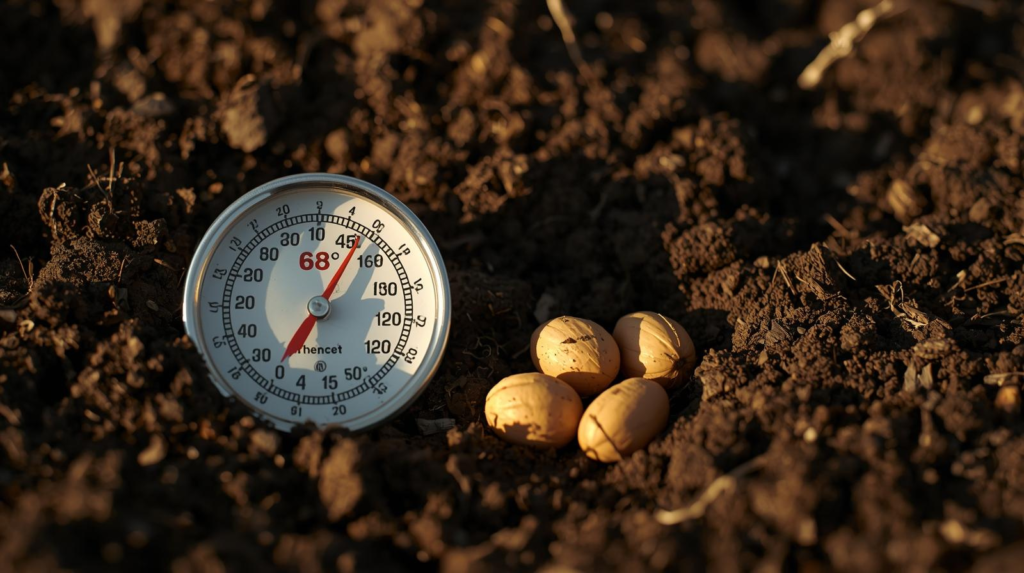
Direct seed when soil is reliably warm—about 65°F or higher is a common extension benchmark for planting cucurbits like pumpkins. Utah State University Extension (Utah State University Extension) and WVU Extension (WVU Extension)
If you’re targeting pumpkins for a fall holiday, count back using the variety’s days-to-maturity and your first expected frost date. Clemson HGIC (Home & Garden Information Center) and UNH Extension (Extension | University of New Hampshire)
4) Sow seeds in “hills” and thin for stronger plants
A very reliable home-garden method:
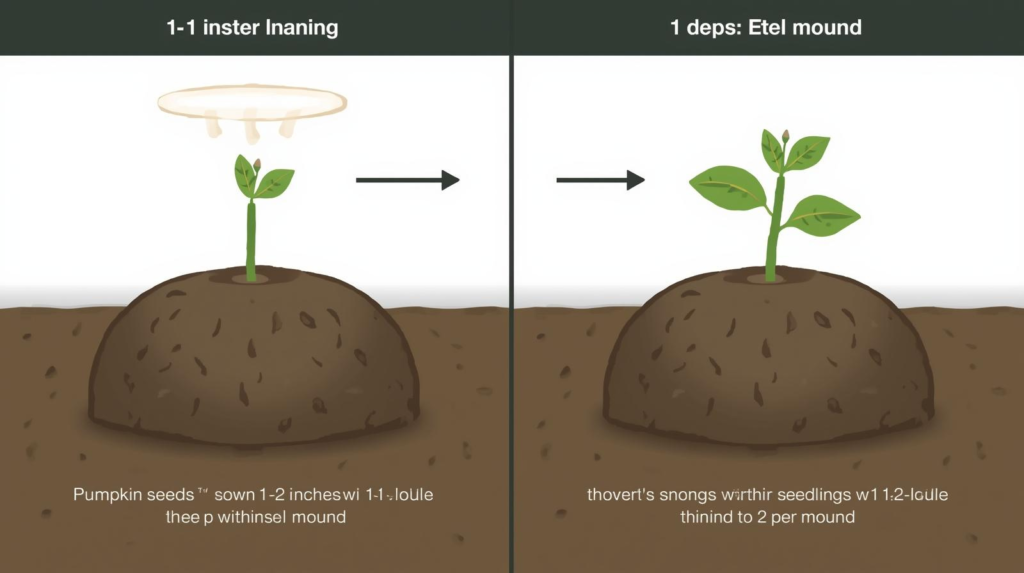
- Make small mounds (“hills”) to improve drainage and warm the soil.
- Plant 4–6 seeds per hill, 1–2 inches deep.
- Space hills around 4 feet apart (more for large vines).
- Thin to the best 2 plants per hill after emergence.
This exact hill/seed-depth approach is laid out by Utah State University Extension. (Utah State University Extension)
5) Water deeply (and mulch to keep it consistent)
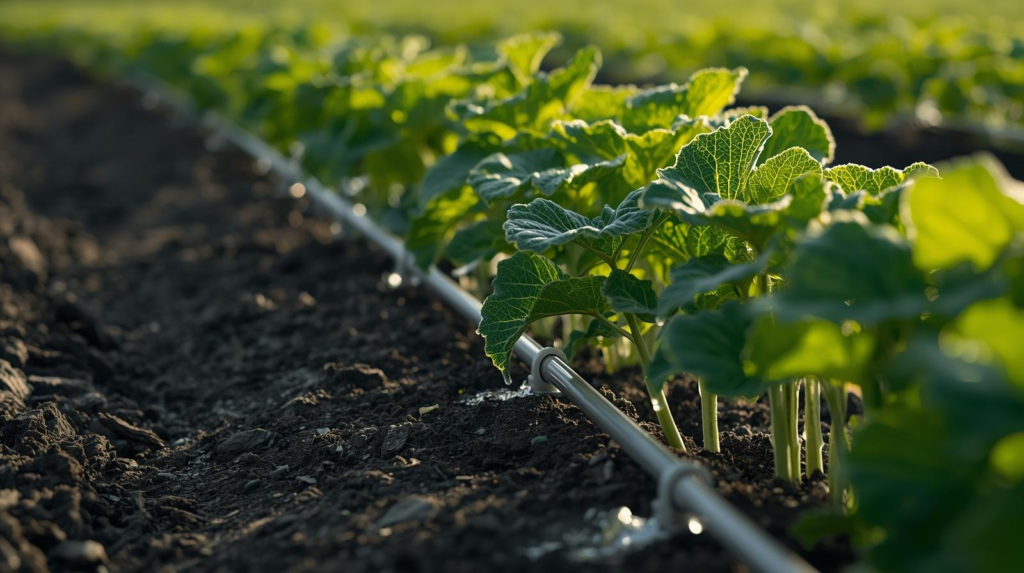
Pumpkins like deep, infrequent watering that soaks the root zone, totaling about 1–2 inches per week depending on heat and rainfall. Utah State University Extension (Utah State University Extension) and Mississippi State University Extension (MSU Extension)
Mulch helps conserve moisture and reduce weeds, and drip/soaker watering can lower leaf-wetness (which reduces disease pressure). Utah State University Extension (Utah State University Extension) and University of Arkansas Extension (Arkansas Extension Service)
6) Feed in phases: vines first, fruit second
Many growers build soil fertility before planting and then manage nutrients so vines grow strongly without going “all leaves, no pumpkins.” Utah State University Extension (Utah State University Extension) and Mississippi State University Extension (MSU Extension)
Practical home tip: if your vines look lush but you’re seeing poor fruit set, don’t keep pushing nitrogen—focus on consistent watering, pollination support, and plant health. Pollination-focused fruit-set guidance from Penn State Extension (Penn State Extension) and University of Minnesota Extension’s fruit-set troubleshooting (Fruit and Vegetable News)
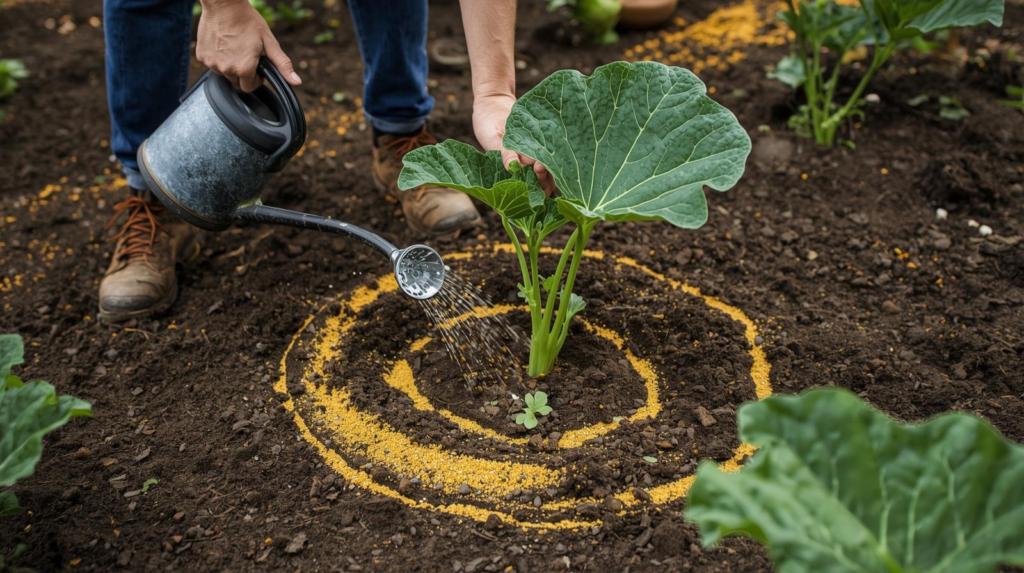
7) Protect pollination so pumpkins actually form
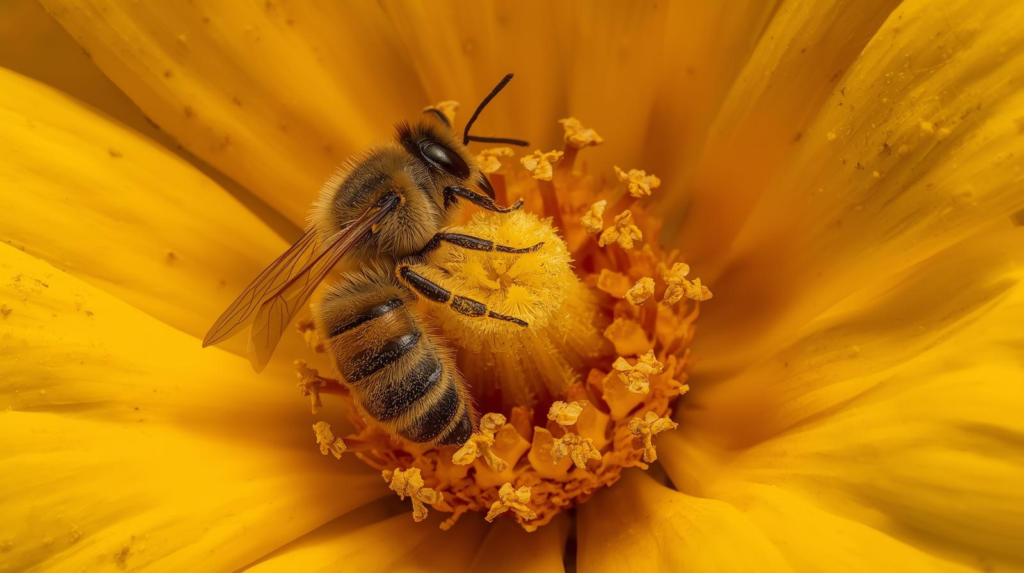
Pumpkins set fruit only when flowers are pollinated by insects (especially bees), and strong pollinator activity improves fruit set and quality. Penn State Extension (Penn State Extension) and the SARE pumpkin pollination report (SARE)
What helps:
- Avoid spraying insecticides during bloom.
- Plant nectar flowers nearby.
- Check blossoms in the morning when they’re open and bees are active. VegCrops Hotline (Vegetable Crops Hotline) and Penn State Extension (Penn State Extension)
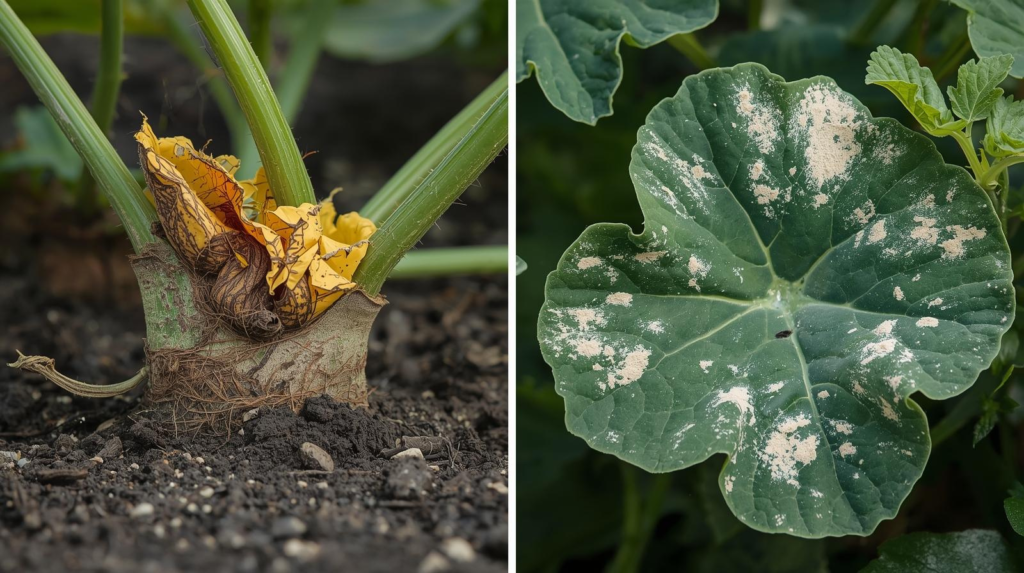
8) Stay ahead of common problems (especially vine borers and powdery mildew)
Squash vine borer larvae can tunnel into vines and cause sudden wilting; they’re a major pumpkin pest in many regions. University of Minnesota Extension (University of Minnesota Extension) and Penn State Extension (Penn State Extension)
Helpful prevention tactics include row covers early (remove at flowering for pollination) and timing controls before larvae enter stems. SDSU Extension (SDSU Extension) and N.C. Cooperative Extension (Pamlico County Center)
Powdery mildew is also common later in the season; reducing leaf wetness and overcrowding helps, and drip/soaker watering is often recommended over overhead irrigation. Penn State Extension (Penn State Extension) and University of Arkansas Extension (Arkansas Extension Service)
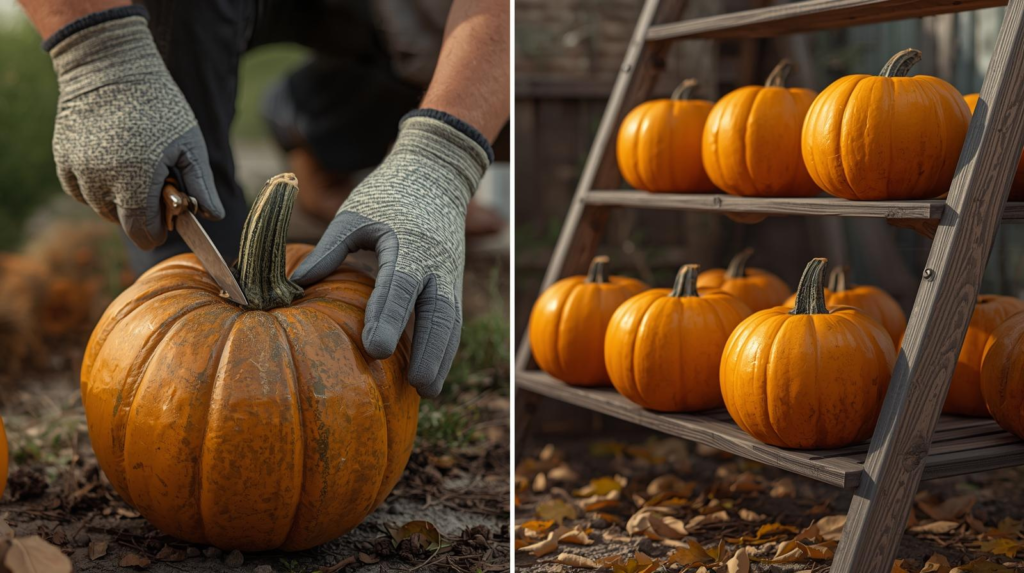
9) Harvest at the right moment (before hard frost) and cure for storage
Harvest when:
- The pumpkin has full color and a hard rind you can’t easily dent with a fingernail.
- The stem begins to harden (avoid breaking it).
Then cut the stem (don’t pull) and leave a few inches of stem attached to reduce rot risk. Illinois Extension’s pumpkin harvest/storage infographic (Illinois Extension) and Penn State Extension harvest/storage guidance (Penn State Extension)
For longer storage, cure pumpkins about 10 days at ~80–85°F and ~80–85% relative humidity to harden skin and heal small scratches. Iowa State University Extension (Yard and Garden) and Oregon State University Extension (OSU Extension Service) (also echoed by Penn State Extension (Penn State Extension))
After curing, store around 50–55°F with moderate humidity and good airflow, and keep them away from ethylene-producing fruits like apples. UVM Extension (University of Vermont) and Illinois Extension (Illinois Extension)
Summary
To grow pumpkins well: plant in warm soil (~65°F+), give them full sun, rich well-drained soil, and room to sprawl, then water deeply to about 1–2 inches/week (more during heavy fruit fill). Utah State University Extension (Utah State University Extension) and Mississippi State University Extension (MSU Extension) Focus on pollinators for fruit set, and watch for squash vine borer and powdery mildew as the season progresses. Penn State Extension (Penn State Extension) and University of Minnesota Extension (University of Minnesota Extension) Harvest before hard frost, then cure and store properly for the best shelf life. Iowa State University Extension (Yard and Garden) and UVM Extension (University of Vermont)
Related Articles
https://homeandgardenworld.com/advice/how-to-grow-watermelon