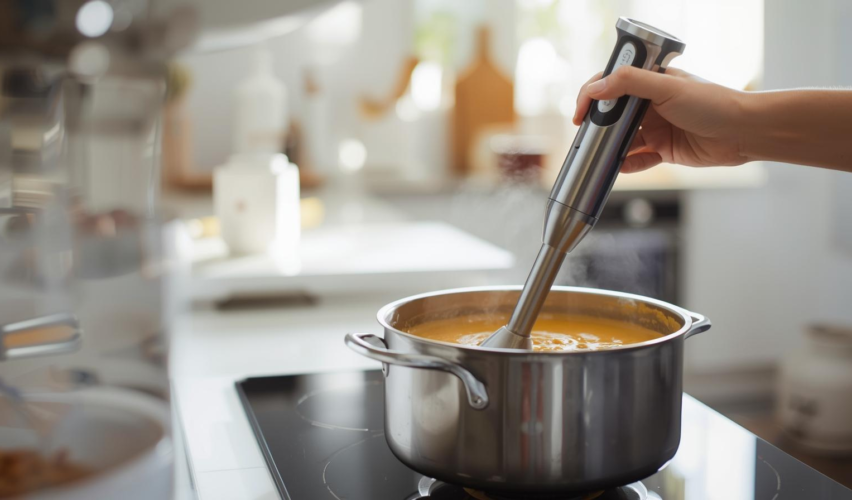
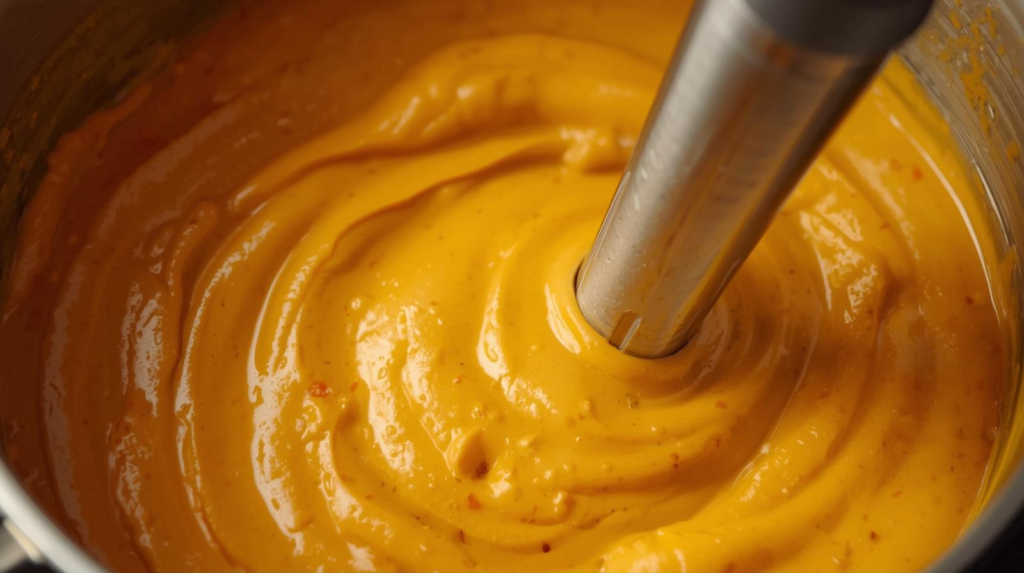
A good immersion blender can replace (or at least dramatically reduce your need for) a countertop blender for everyday cooking: silky soups blended right in the pot, quick salad dressings, homemade mayo, smoothies in a tall cup, and even whipping or chopping if you choose a model with attachments. The challenge is that “power” isn’t the whole story—control, blade-guard design (to reduce splatter), ergonomics, and the right accessories matter just as much.
Below are the best immersion blenders worth buying right now, with picks for every budget and cooking style—plus exactly what to look for before you check out.
Quick Picks
- Best overall: All-Clad Stainless Steel Immersion Blender — Strong, consistent blending for soups, sauces, and emulsions; built like a tank; $120–$170. (Food & Wine)
- Best splurge: Vitamix Immersion Blender — “Almost silly powerful,” excellent for thick soups and tougher blends; $140–$180. (Serious Eats)
- Best attachments: Breville Control Grip Immersion Blender — Versatile accessory ecosystem and great control; $150–$190. (Good Housekeeping)
- Best hybrid: Ninja Foodi Power Mixer System (CI101) — Immersion blender + hand mixer in one; great for bakers and multitaskers; $120–$150. (EatingWell)
- Best cordless: KitchenAid Go Cordless Hand Blender — Convenient for cramped kitchens and quick tasks away from outlets; $80–$150. (Ideal Home)
- Best budget: Hamilton Beach 2-Speed Immersion Hand Blender — Solid basics for soups and soft blends at a low price; $25–$40. (Good Housekeeping)
Our Methodology
To choose these immersion blenders, we leaned on a mix of independent lab-style testing, expert reviews from established cooking publications, and performance-focused appliance testing. We prioritized evidence that reflects real cooking tasks—puréeing fibrous soups, emulsifying mayo/aioli, blending smoothies, and handling hot liquids—along with usability factors (grip comfort, one-handed control, splatter control, and cleanup). (Good Housekeeping)
We also weighted long-term ownership signals: durability notes from multi-year reviewers, attachment quality (if included), and practical design choices that reduce mess and improve control. Pricing is based on recent retailer listings and may vary by color, bundles, and sales.
Comparison Table
| Immersion blender | Best for | Key features | Price range |
| All-Clad Stainless Steel Immersion Blender (KZ750D) | Best overall | Powerful motor, variable speed, solid build | $120–$170 |
| Vitamix Immersion Blender | Power + cookware friendliness | 625W motor, 5 speeds, unique guard design | $140–$180 |
| Breville Control Grip Immersion Blender | Attachments & control | 15 speeds, ergonomic trigger grip, multi-use accessories | $150–$190 |
| Ninja Foodi Power Mixer System (CI101) | Bakers and multitaskers | Immersion blender + hand mixer, strong motor, blending vessel | $120–$150 |
| Breville All In One Processing Station (BSB530XL) | Mini food-prep station | Stick blender + processor-style base, versatile prep tasks | $150–$250 |
| Cuisinart Smart Stick Variable Speed (CSB-179) | Best all-around value | 300W, variable control, common bundle includes chopper + whisk | $40–$70 |
| KitchenAid Go Cordless Hand Blender | Cordless convenience | Rechargeable, portable, good accessory bundle | $80–$150 |
| Hamilton Beach 2-Speed Immersion Hand Blender | Cheapest reliable pick | 2 speeds, simple controls, widely available | $25–$40 |
| Beautiful 2-Speed Hand Blender | Budget “nice to have” | Good value for basic blends; great starter | $60–$90 |
| Bamix Classic | Durability-first buyers | Two speeds, long cord, simple and sturdy design | $150–$250 |
| BLACK+DECKER Kitchen Wand Blender Kit | Modular small kitchens | Cordless wand system, interchangeable heads | $60–$110 |
| GE Immersion Blender with Accessories (G8H1AASSPSS) | Underrated kit | Strong performance reviews; includes attachments | $90–$170 |
The Best Immersion Blenders
1) All-Clad Stainless Steel Immersion Blender (KZ750D) — Best overall
If you want one immersion blender that feels “buy it for life,” this is the pick. It’s frequently recommended by serious cooking outlets because it blends smoothly and feels exceptionally sturdy in-hand—especially for big pots of soup, sauces, and emulsions. (Serious Eats)
Pros
- Strong, consistent blending for soups and sauces
- Solid build quality and premium feel
- Variable-speed control helps avoid over-blending
Cons
- Typically pricier than most competitors
- Heavier than budget models
Pricing: $120–$170 (pricing may vary). (Food & Wine)

2) Vitamix Immersion Blender — Best splurge for pure power
If you regularly blend thick soups, beans, or tougher mixtures and want countertop-blender-like performance in a stick format, Vitamix is the standout. Serious Eats found it extremely powerful and highlighted its 625-watt motor and 5-speed control. (Serious Eats) Food Network also rated it best overall in their testing. (foodnetwork.com)
Pros
- Very powerful for an immersion blender
- 5 speeds make it easier to match power to the job
- Excellent for thick soups and fast emulsions
Cons
- Easy to splatter in small cups if you aren’t careful
- Accessories often sold separately
Pricing: $140–$180 (pricing may vary). (Serious Eats)
3) Breville Control Grip Immersion Blender — Best for attachments
Breville’s Control Grip is a favorite when you want one tool to do more than just blend. Good Housekeeping named it their top overall pick after testing multiple models. (Good Housekeeping) Long-term users also praise its versatility and durability with the accessory set. (Allrecipes)
Pros
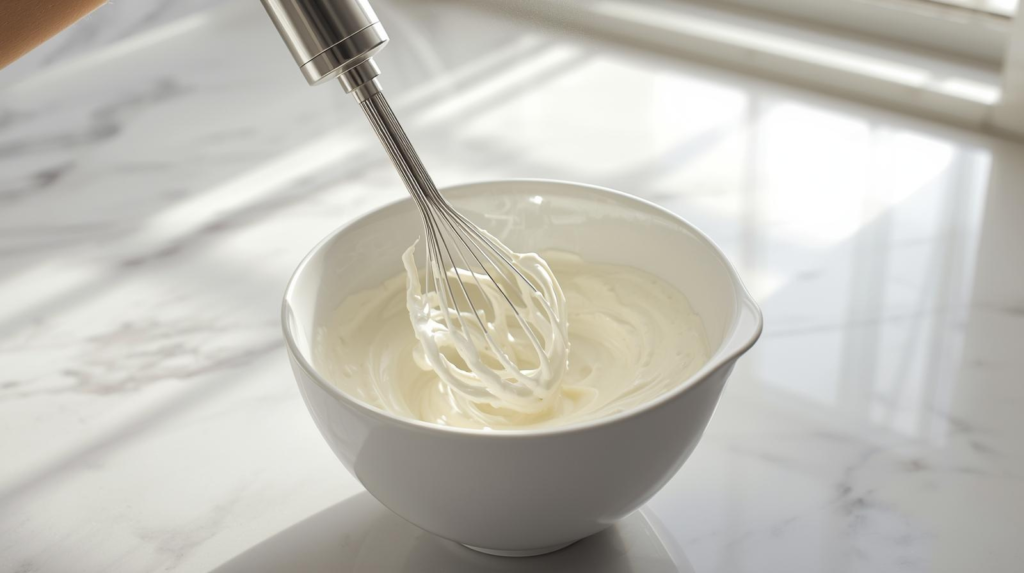
- Excellent accessory ecosystem for chopping/whisking tasks
- Multiple speed settings for better control
- Ergonomic grip helps with longer blending sessions
Cons
- More parts to store and clean than minimalist models
- Pricier than simple 2-speed sticks
Pricing: $150–$190 (pricing may vary). (Good Housekeeping)
4) Ninja Foodi Power Mixer System (CI101) — Best hybrid for bakers
This is the pick for people who bake or cook a lot and want fewer gadgets: it combines an immersion blender and a hand mixer system. EatingWell rated it best overall in their testing, calling out its strong motor and usefulness. (EatingWell)
Pros
- Great value if you also need a hand mixer
- Strong performance across mixing + blending tasks
- Helpful included vessel/attachments for quick jobs
Cons
- Bulkier than a simple immersion blender
- More pieces to store than a basic stick
Pricing: $120–$150 (pricing may vary). (EatingWell)
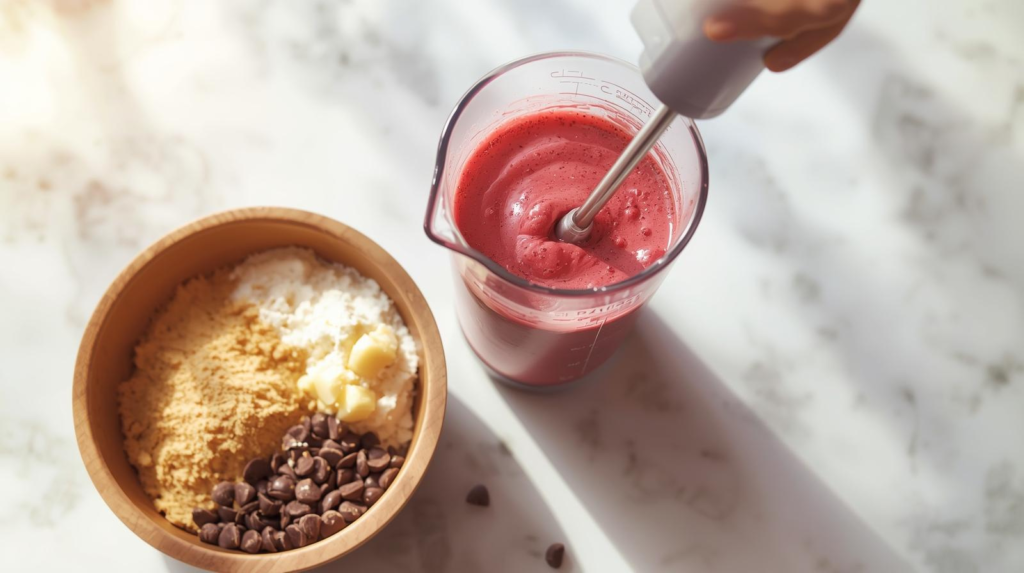
5) Breville All In One Processing Station (BSB530XL) — Best mini food-prep station
If you like Breville’s blending feel but want more true “prep” capability (think slicing/grating/chopping style tasks), this system is the more ambitious option. The Spruce Eats specifically calls out the Breville processing-station style model as a highly versatile, powerful choice. (The Spruce Eats)
Pros
- More like a compact food-prep station than a simple stick blender
- Great for small-batch chopping and prep tasks
- Good choice if you’re short on counter space for multiple appliances
Cons
- Larger footprint than standard immersion blenders
- Usually costs more than basic sets
Pricing: $150–$250 (pricing may vary by bundle/retailer). (eBay)
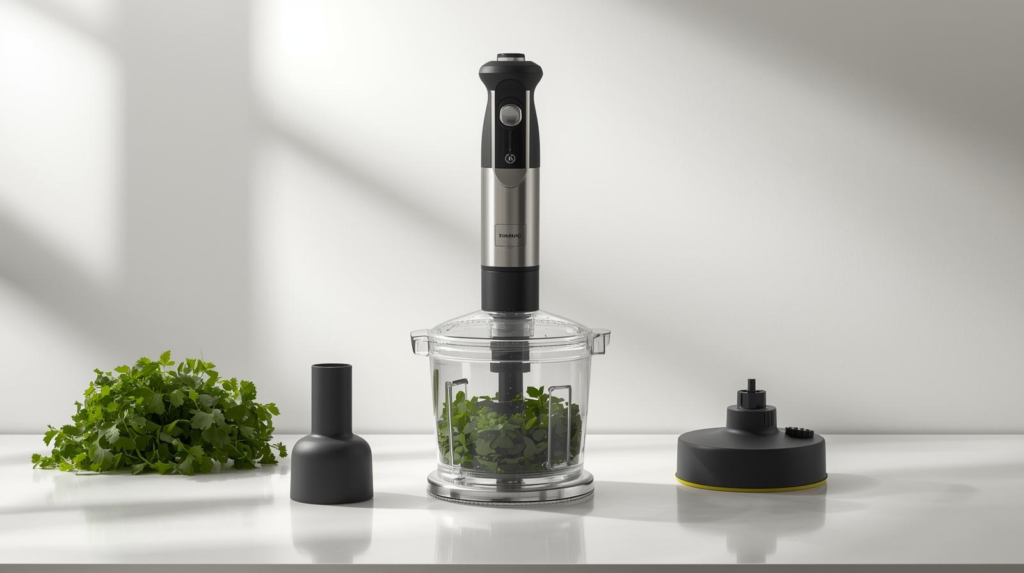
6) Cuisinart Smart Stick Variable Speed (CSB-179) — Best all-around value
Cuisinart’s Smart Stick hits a sweet spot: variable control, enough power for everyday blending, and bundles that often include a whisk and chopper/grinder. Common listings describe a 300-watt motor and variable-speed operation. (Amazon)
Pros
- Strong value for a variable-speed model
- Often sold in useful bundles (whisk/chopper)
- Practical for soups, dressings, and light chopping
Cons
- Not the strongest choice for frequent frozen blends
- Bundle contents vary by retailer
Pricing: $40–$70 (pricing may vary). (Walmart.com)
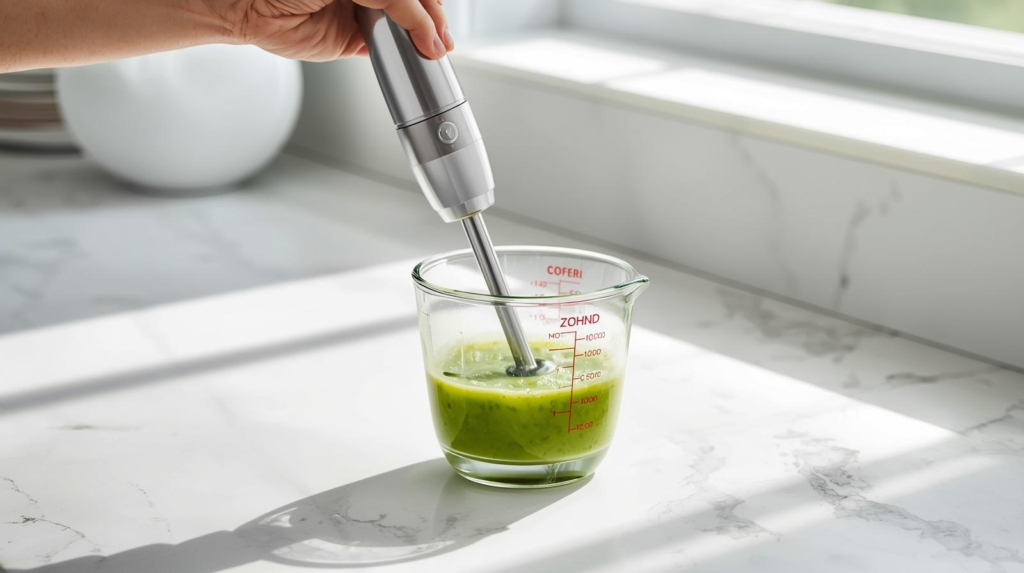
7) KitchenAid Go Cordless Hand Blender — Best cordless
Cordless immersion blenders are about convenience, not maximum power—and this is one of the more compelling cordless lines for real cooking. Reviewers highlight its practicality for kitchens with inconvenient outlets, and it’s commonly recommended for quick tasks like eggs, soups, and dressings. (Ideal Home)
Pros
- No cord to fight around the stove
- Convenient for small kitchens and quick tasks
- Useful accessory bundles depending on version
Cons
- You’re managing battery charging and long-term battery health
- Typically costs more than corded basics
Pricing: $80–$150 (pricing may vary). (Ideal Home)
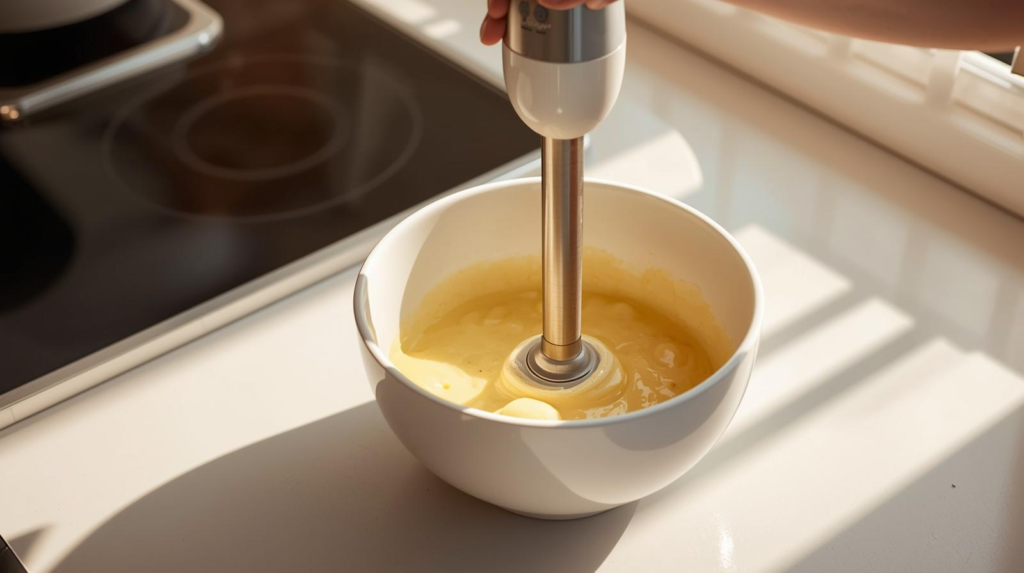
8) Hamilton Beach 2-Speed Immersion Hand Blender — Best budget
If you mostly need soups, soft purées, and quick dressings, you don’t have to spend much. Hamilton Beach’s 2-speed stick is widely available and often priced under $35 at major retailers, making it a smart “starter” pick. (Walmart.com)
Pros
- Very affordable
- Simple controls that are hard to mess up
- Good enough for soups, milkshakes, and soft blends
Cons
- Limited speed control
- Not ideal for frequent heavy-duty blending
Pricing: $25–$40 (pricing may vary). (Walmart.com)
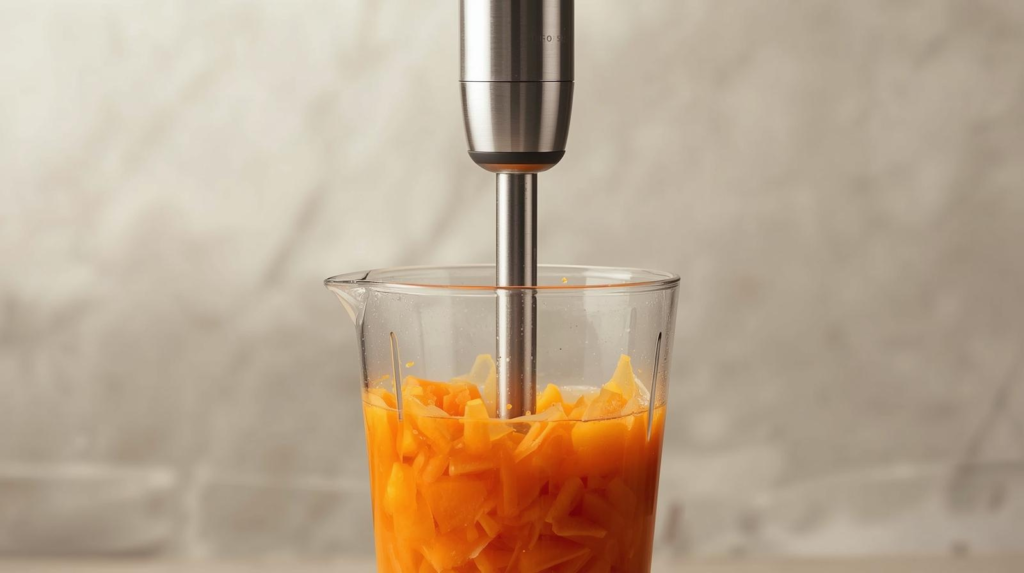
9) Beautiful 2-Speed Hand Blender — Best “nice” starter
For a budget pick that still feels giftable, this model often lands well—EatingWell highlighted it as a strong value choice in testing, with the main tradeoff being limitations with shallow ingredients. (EatingWell)
Pros
- Great entry-level value
- Simple and approachable for beginners
- Nice option if you want something that looks good on the counter
Cons
- Less flexible for tiny batches/shallow cups
- Not the best for tougher blends
Pricing: $60–$90 (pricing may vary). (EatingWell)
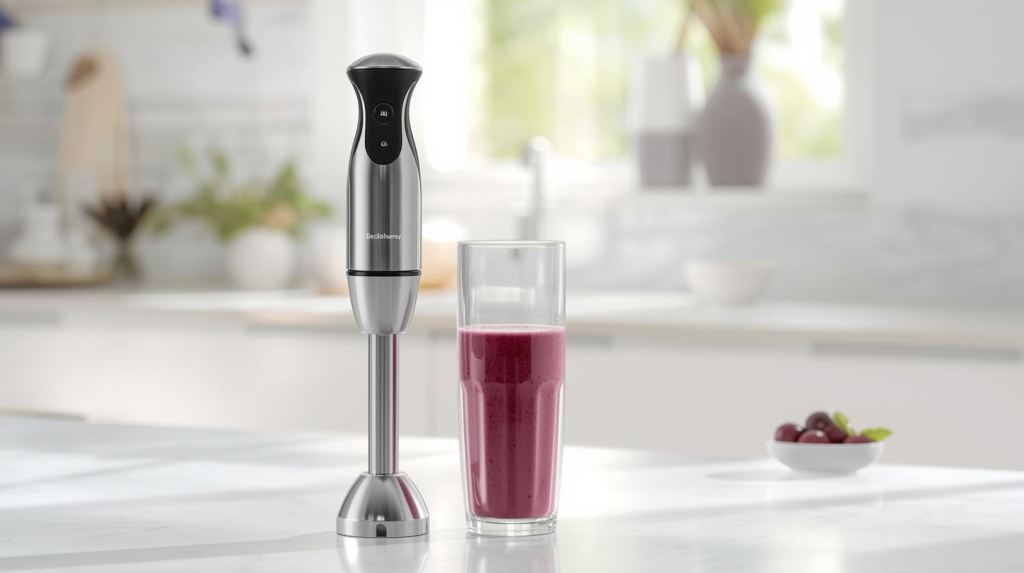
10) Bamix Classic — Best for durability-first buyers
Bamix is a classic for people who want a simple, sturdy tool with fewer gimmicks. BBC Good Food’s review emphasizes its robust feel, two-speed simplicity, and long cord, positioning it as a long-term investment style of blender. (Good Food)
Pros
- Sturdy, minimalist design
- Long cord and straightforward operation
- Easy cleaning approach with fewer complex parts
Cons
- Only two speeds
- Often expensive relative to feature set
Pricing: $150–$250 (pricing may vary). (JB Prince)
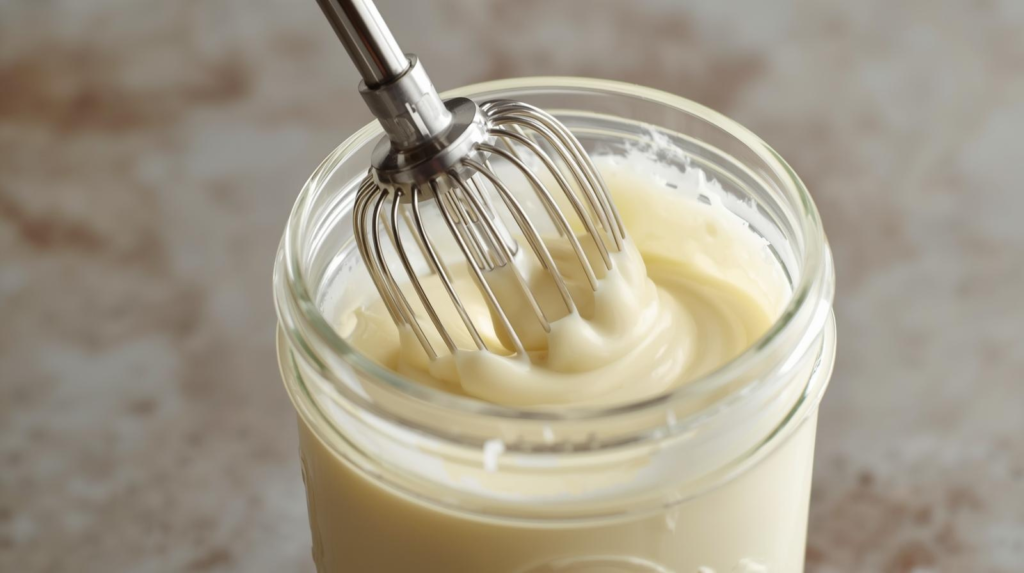
11) BLACK+DECKER Kitchen Wand Blender Kit — Best modular system
If your kitchen is short on storage and you like the idea of one cordless base powering multiple attachments, the Kitchen Wand concept is genuinely useful. The Spruce Eats describes it as a space-saving, multi-tool approach, though heavier than simpler sticks. (The Spruce Eats)
Pros
- Modular system can replace several small gadgets
- Cordless convenience
- Good for small kitchens and apartments
Cons
- Power unit can feel heavier than standard immersion blenders
- Attachment ecosystem can get pricey over time
Pricing: $60–$110 (pricing may vary). (Walmart.com)
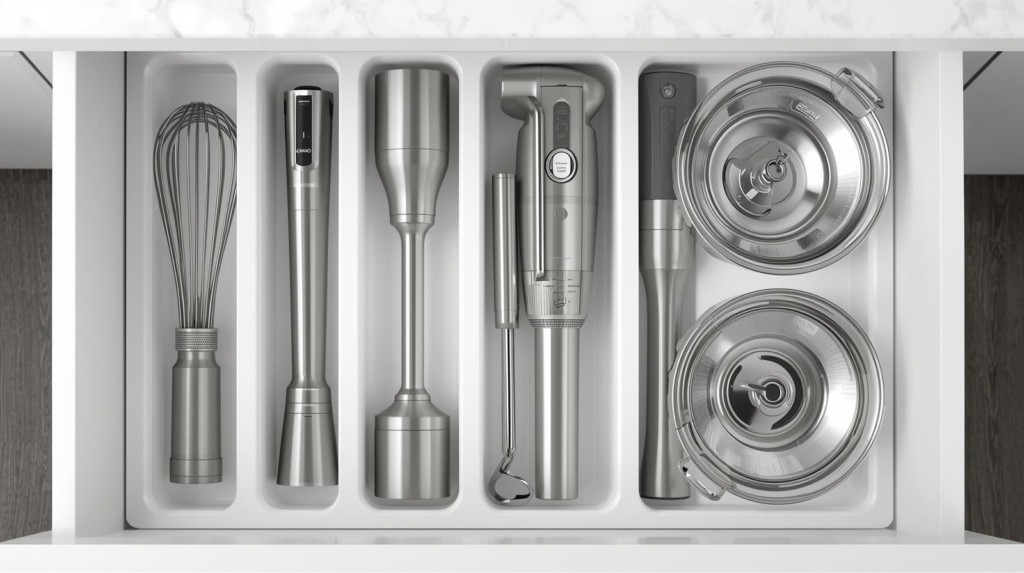
12) GE Immersion Blender with Accessories (G8H1AASSPSS) — Best underrated accessory kit
Reviewed.com praised GE’s immersion blender performance during testing, highlighting strong results despite a lightweight feel. (Reviewed) Where it can make sense is when you find a good bundle price on the kit with attachments; retailer pricing varies widely by bundle. (Abt.com)
Pros
- Strong performance notes from independent testing
- Often sold as a useful attachment kit
- Good alternative when common “top” models are overpriced
Cons
- Value depends heavily on bundle price
- 2-speed setups can feel limiting versus true variable-speed models
Pricing: $90–$170 (pricing may vary). (Abt.com)
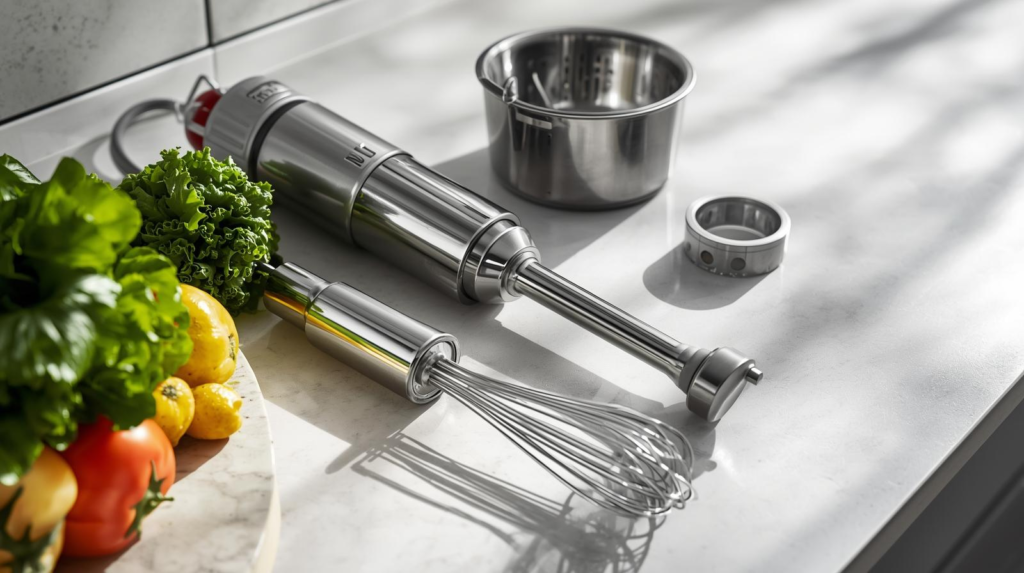
How to Choose the Right Immersion Blender
- Power and blade-guard design: Higher wattage can help, but guard shape often determines how quickly you get a vortex and how much splatter you fight. A very powerful stick can actually be messier in small cups if the guard pulls too aggressively. (Serious Eats)
- Speed control you’ll actually use: Two speeds are fine for soups and soft foods; variable speed is better for emulsions (mayo) and for preventing over-processing.
- Ergonomics and activation: Look for a grip you can hold for 60–90 seconds without hand fatigue. Trigger-style designs can feel steadier for longer blends. (Allrecipes)
- Attachments and storage: If you’ll use a whisk/chopper weekly, a bundled kit saves money. If not, a simpler blender is easier to store and clean.
- Corded vs cordless: Corded wins on sustained power. Cordless wins on convenience—especially in tight kitchens or when blending at the stove with limited outlets. (Ideal Home)
FAQs
Are immersion blenders powerful enough to replace a countertop blender?
For soups, sauces, dressings, mayo, and many smoothies, yes—especially higher-powered models. But countertop blenders still win for consistently crushing lots of ice, large-batch smoothies, and very thick nut butters.
What wattage should I look for in an immersion blender?
There’s no single magic number, but higher wattage generally helps with thicker blends. Still, blade-guard design and speed control can matter as much as watts for smooth results and low splatter. (Serious Eats)
Can I use an immersion blender in a nonstick pot?
Many people do, but you should be cautious: metal guards can scratch coatings. Some models use guard designs intended to be gentler on cookware, and careful technique (keeping the guard centered, not scraping) also helps. (Serious Eats)
What’s the easiest way to clean an immersion blender?
Detach the blending arm (if removable), wash it with warm soapy water, and rinse carefully around the blade. For quick cleanup mid-cook, blend a cup of warm soapy water for a few seconds, then rinse.
Is a cordless immersion blender worth it?
If you cook in a small space, have awkward outlet placement, or want quick grab-and-go convenience, cordless can be absolutely worth it. If you routinely blend thick soups or do longer blending sessions, corded tends to be more consistent. (Ideal Home)
Which immersion blender is best for mayonnaise and salad dressings?
Look for strong low-speed control (or true variable speed), a guard that creates a stable vortex without sucking to the bottom, and a narrow container that fits the head well. High power helps, but control is what prevents broken emulsions.
Which immersion blender is best on a tight budget?
If you want the cheapest reliable option for soups and soft blends, a basic two-speed model is typically enough. For many shoppers, that’s where Hamilton Beach-style budget sticks shine. (Walmart.com)
Related Articles
https://homeandgardenworld.com/kitchen/how-to-clean-a-microwave
https://homeandgardenworld.com/kitchen/how-to-clean-a-burnt-pot
https://homeandgardenworld.com/kitchen/how-to-clean-a-stainless-steel-sink